
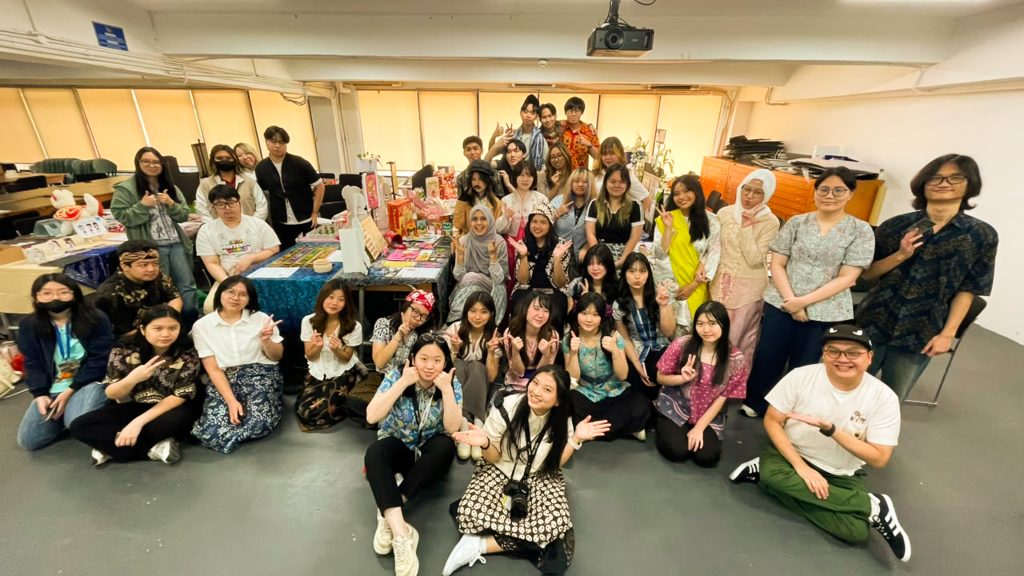
At the end of the semester, students from the Indonesian Visual Culture (Budaya Visual Indonesia) course concluded their learning journey with a final exhibition centered on the theme of Cross Culture. More than a showcase of finished works, the exhibition captured months of questioning, observing, and reinterpreting culture through each student’s own experiences.
Since the beginning of the course, students have explored culture beyond familiar symbols such as traditional textiles, historical artifacts, or regional customs. Instead, they examined culture as something living that grows through everyday rituals, personal histories, communities, media, and the many influences that quietly shape who we are.
Earlier in the semester, students looked inward by tracing their family histories, traditions, and personal artifacts. They mapped family trees and documented stories that revealed the cultural values passed down across generations. For the final project, they expanded that conversation. This time, they explored not only where they came from, but also what continues to shape them today.
Weaving Identity Through Cross Culture
The Cross Culture project invited students to connect the many cultural influences that coexist within their lives. Family traditions met contemporary interests. Regional identities intersected with hobbies, online communities, favorite films, music, games, fashion, and countless other forms of visual culture.
Instead of treating these influences as separate worlds, students explored how they naturally intertwine. The project became less about combining different cultures and more about understanding how identity grows through the cultures we inherit, encounter, and choose to embrace.
Student Aileen reflected on the experience by sharing,
“I felt like this project really gave us room to explore because we could genuinely create something we love. It wasn’t just about bringing different cultures together. It was also about exploring the different cultures within ourselves.”
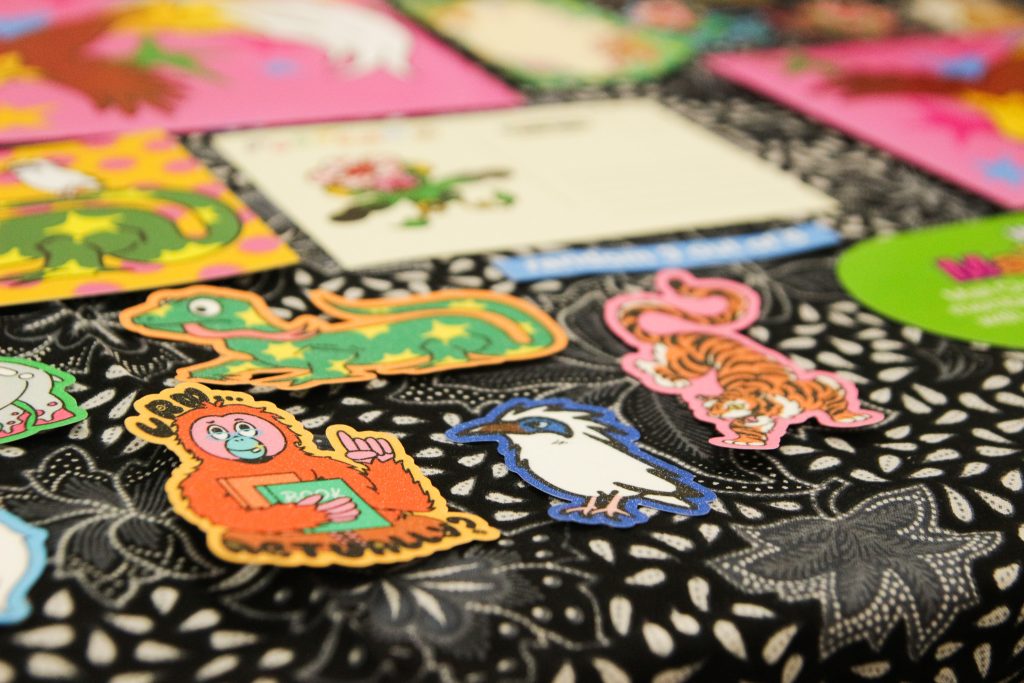
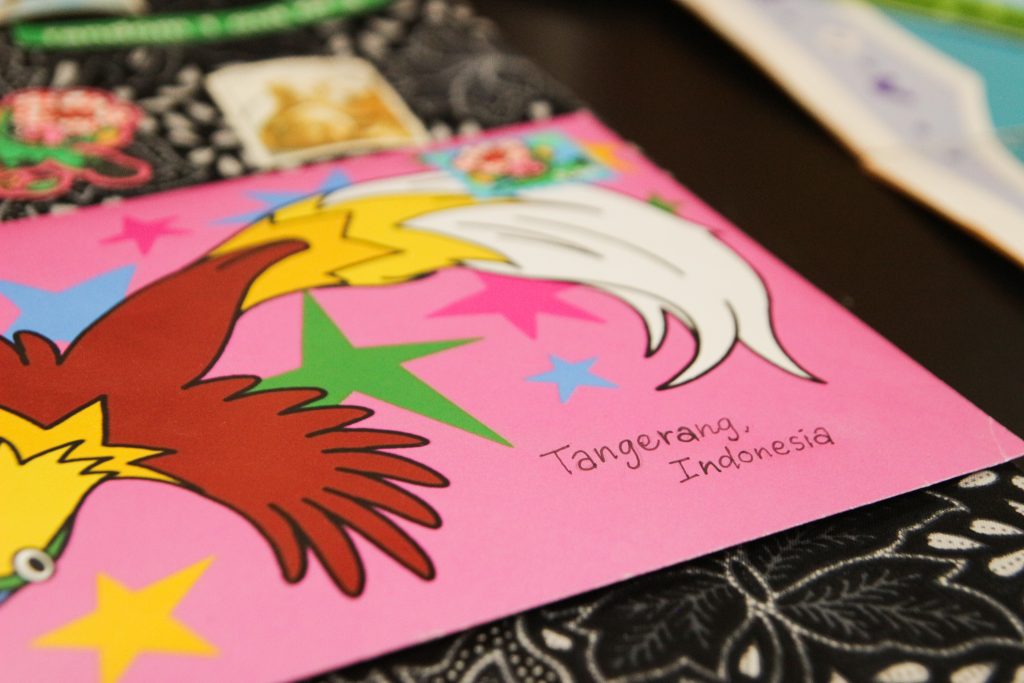
Her reflection captures the spirit of the assignment. Every student began with a different background, and every project reached a different conclusion. Even students who shared similar hometowns, ethnic backgrounds, or family traditions interpreted the theme in their own way. Their interests, memories, and personal experiences shaped every creative decision.
Every Identity Tells a Different Story
The diversity of the students’ experiences became visible in the final outcomes.
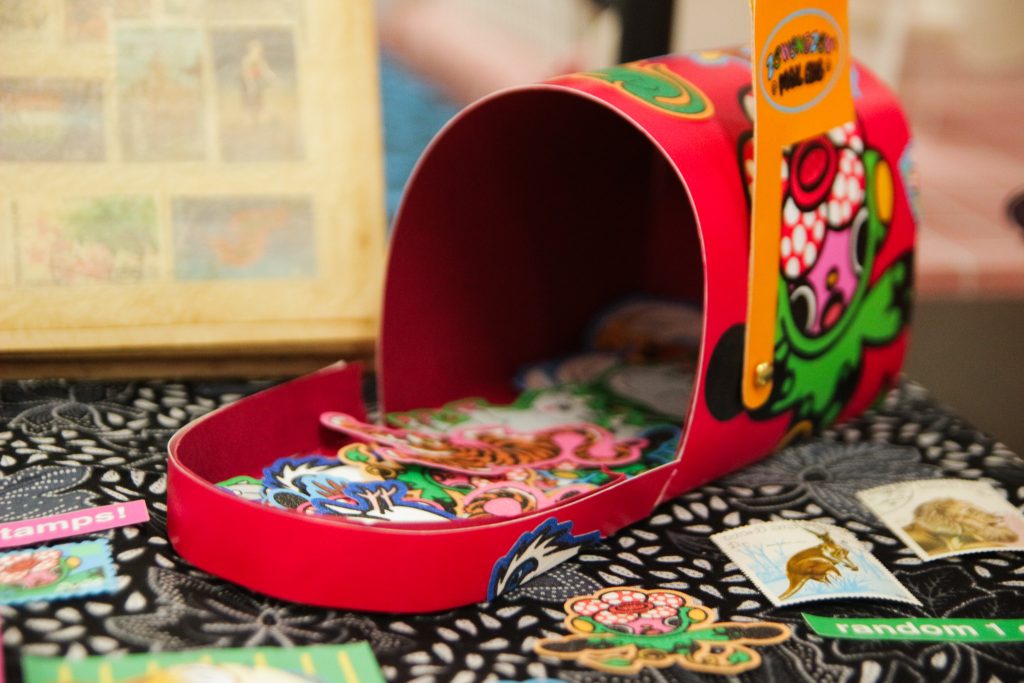
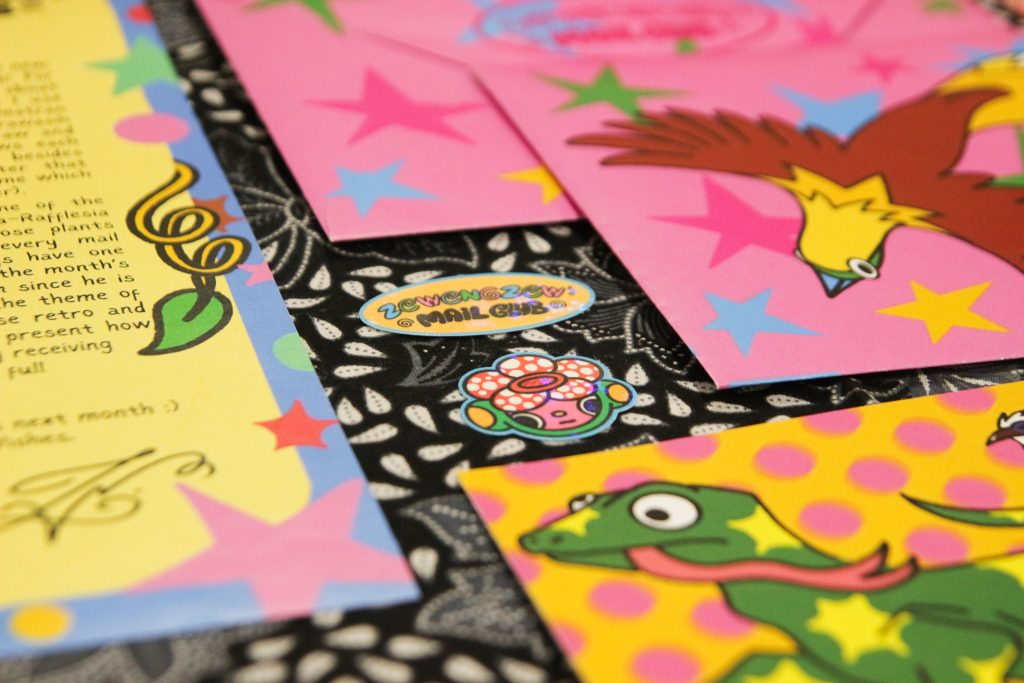
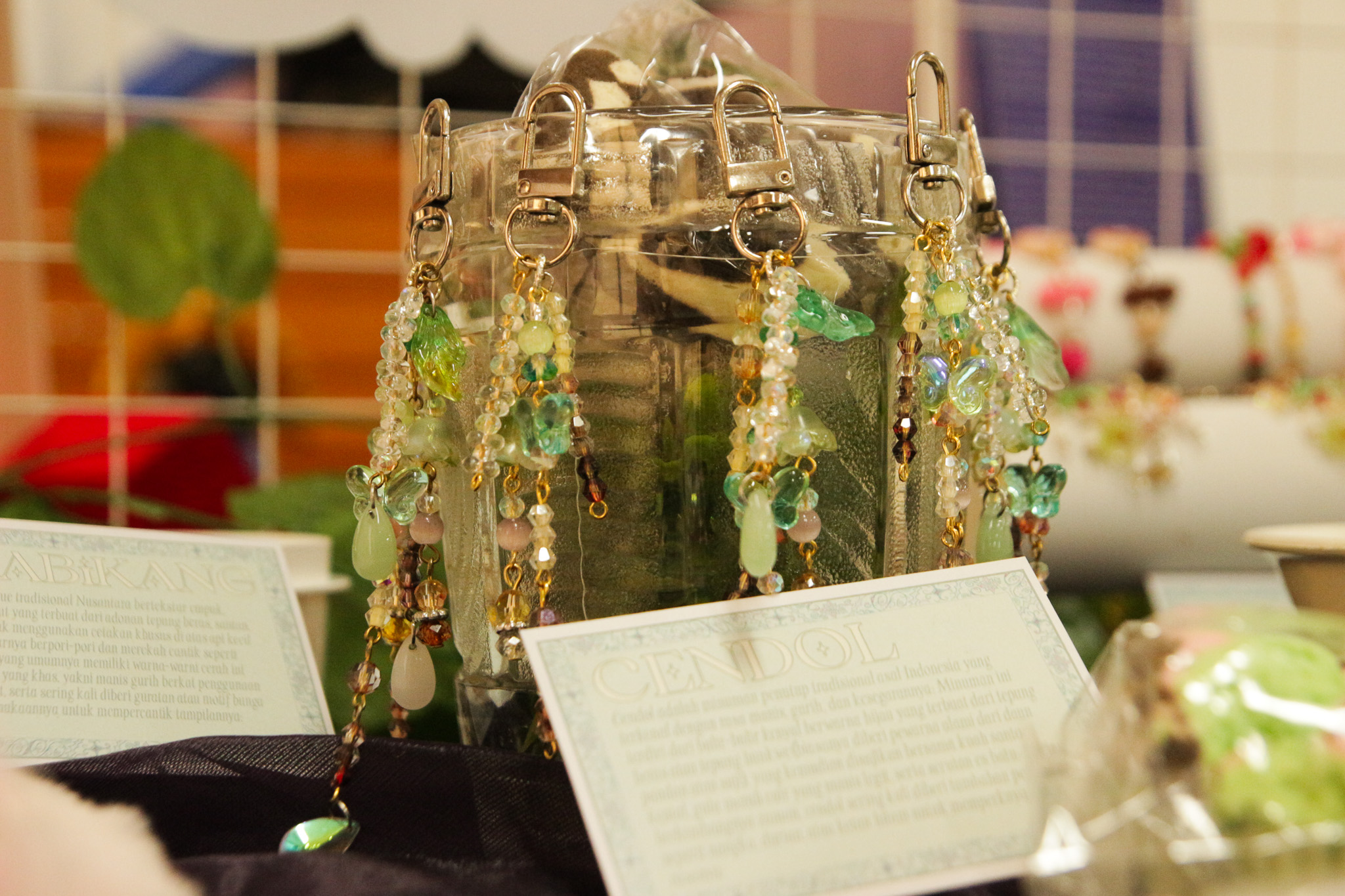
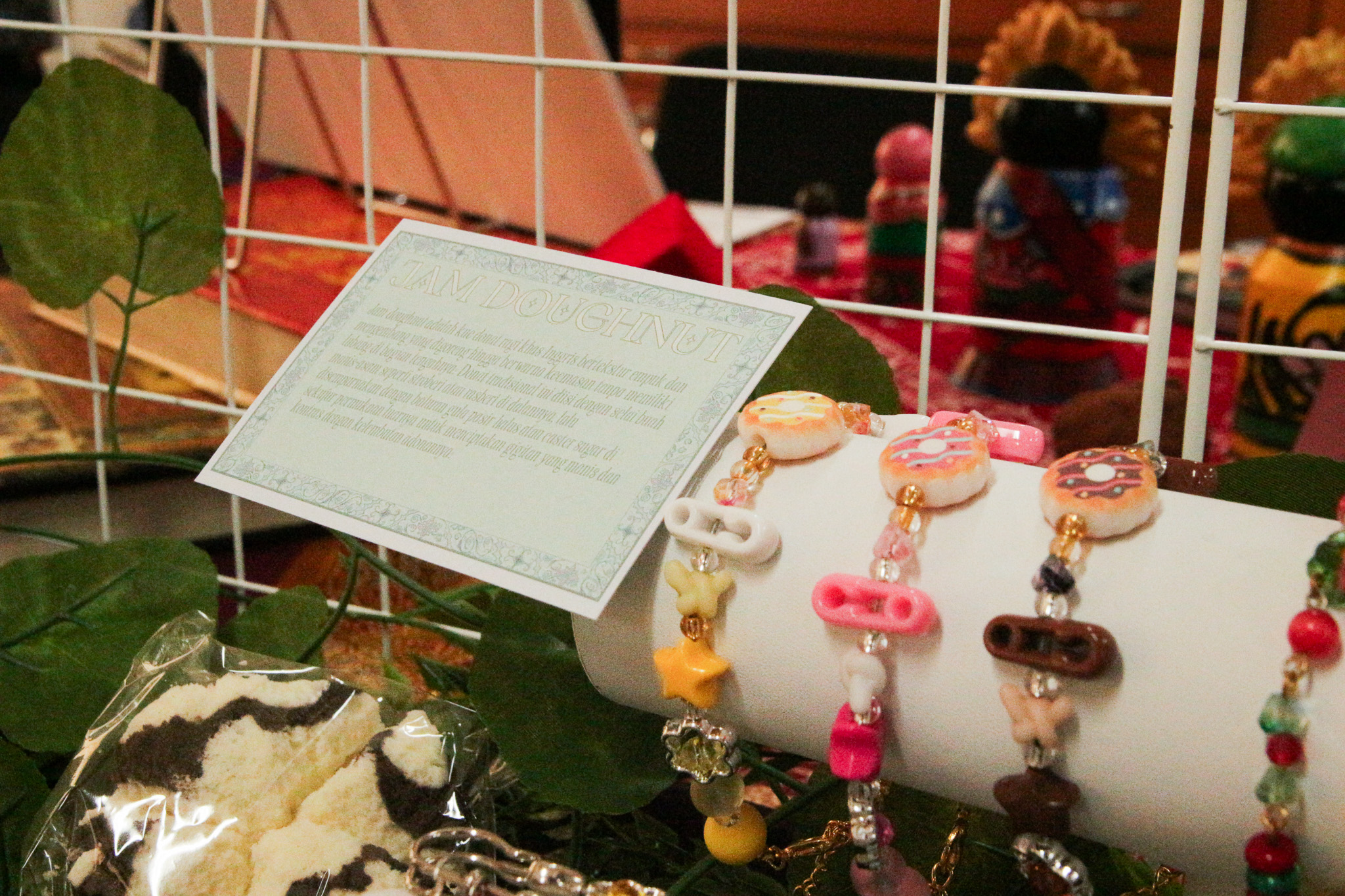
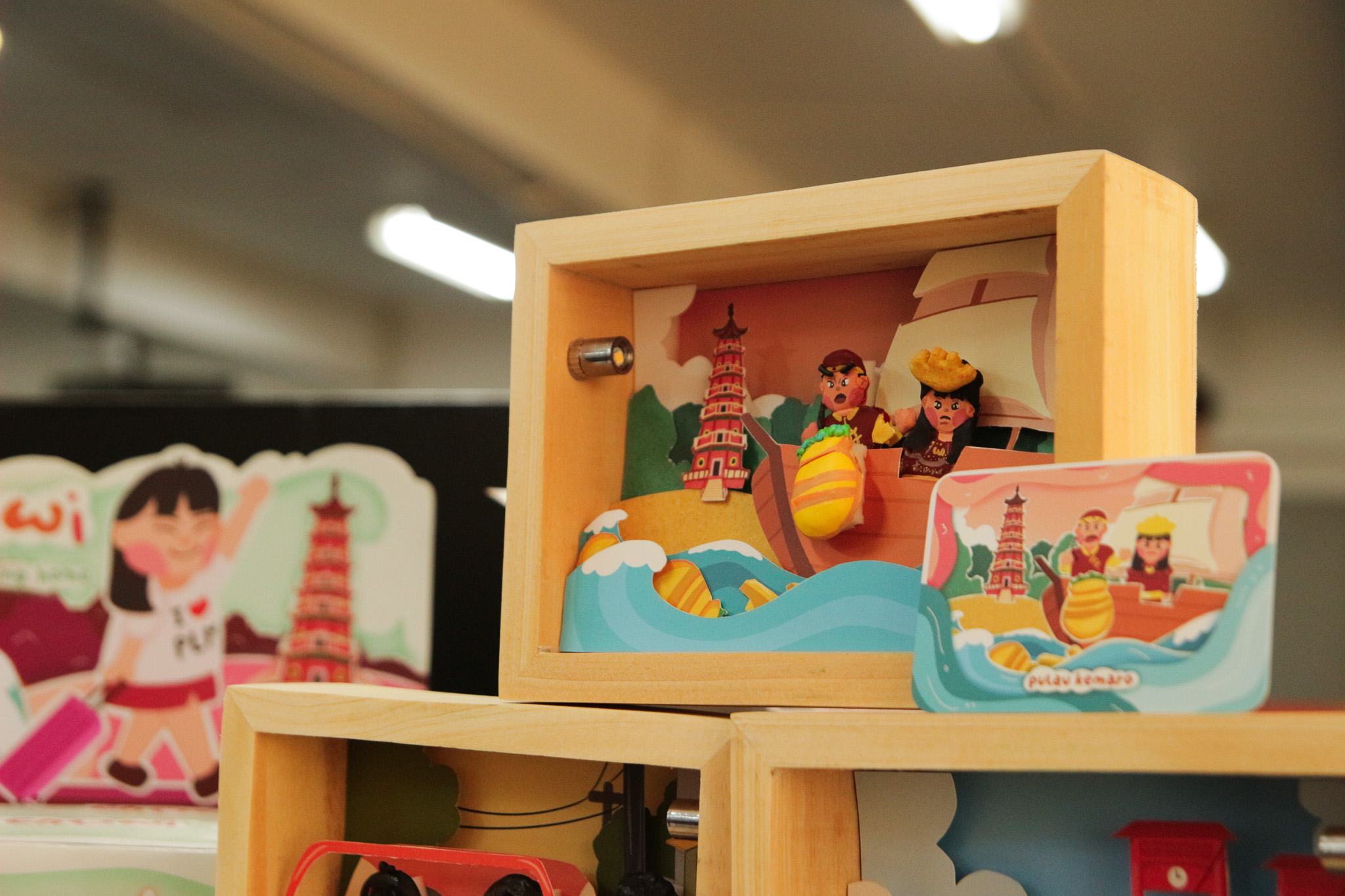
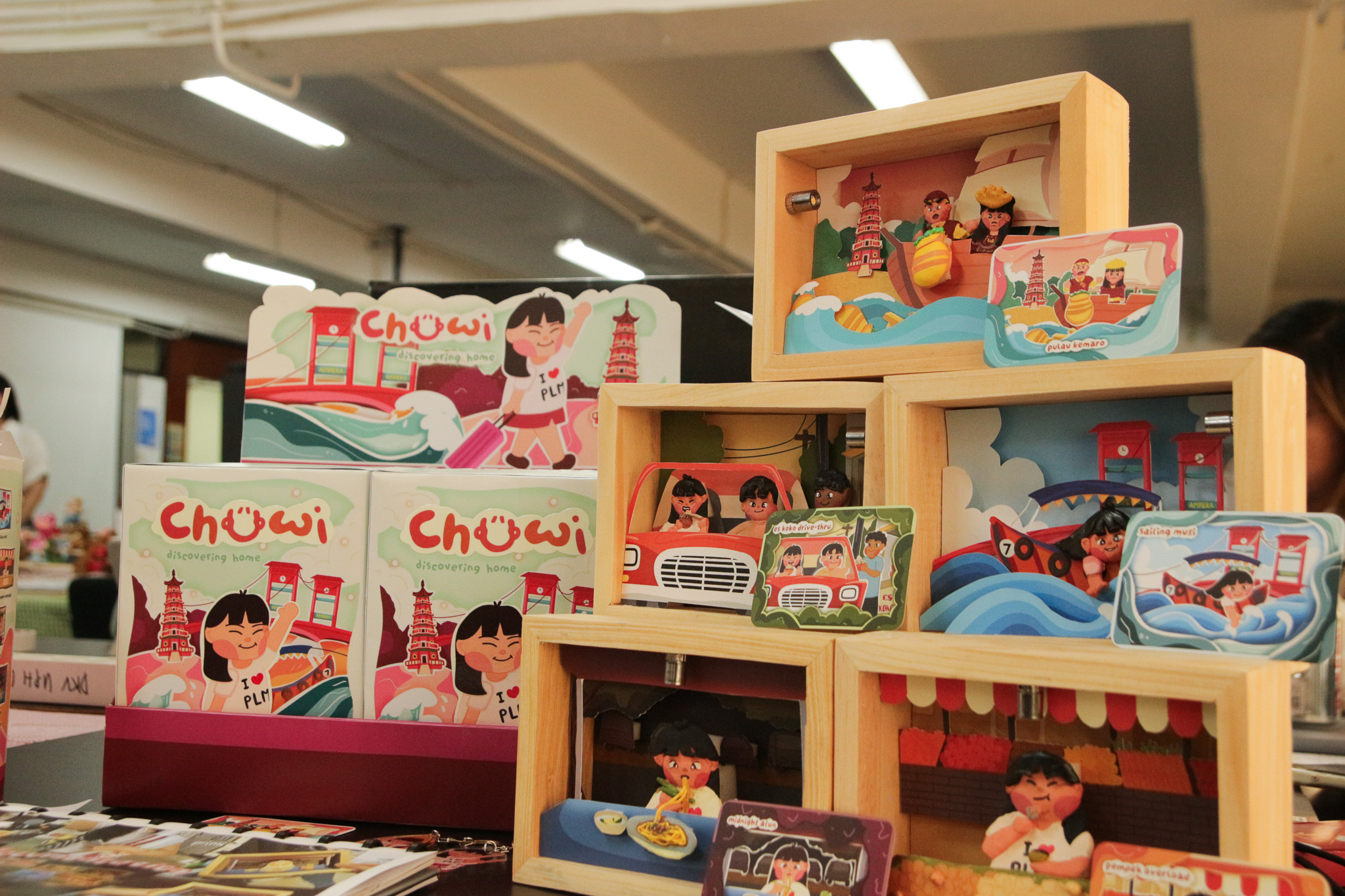
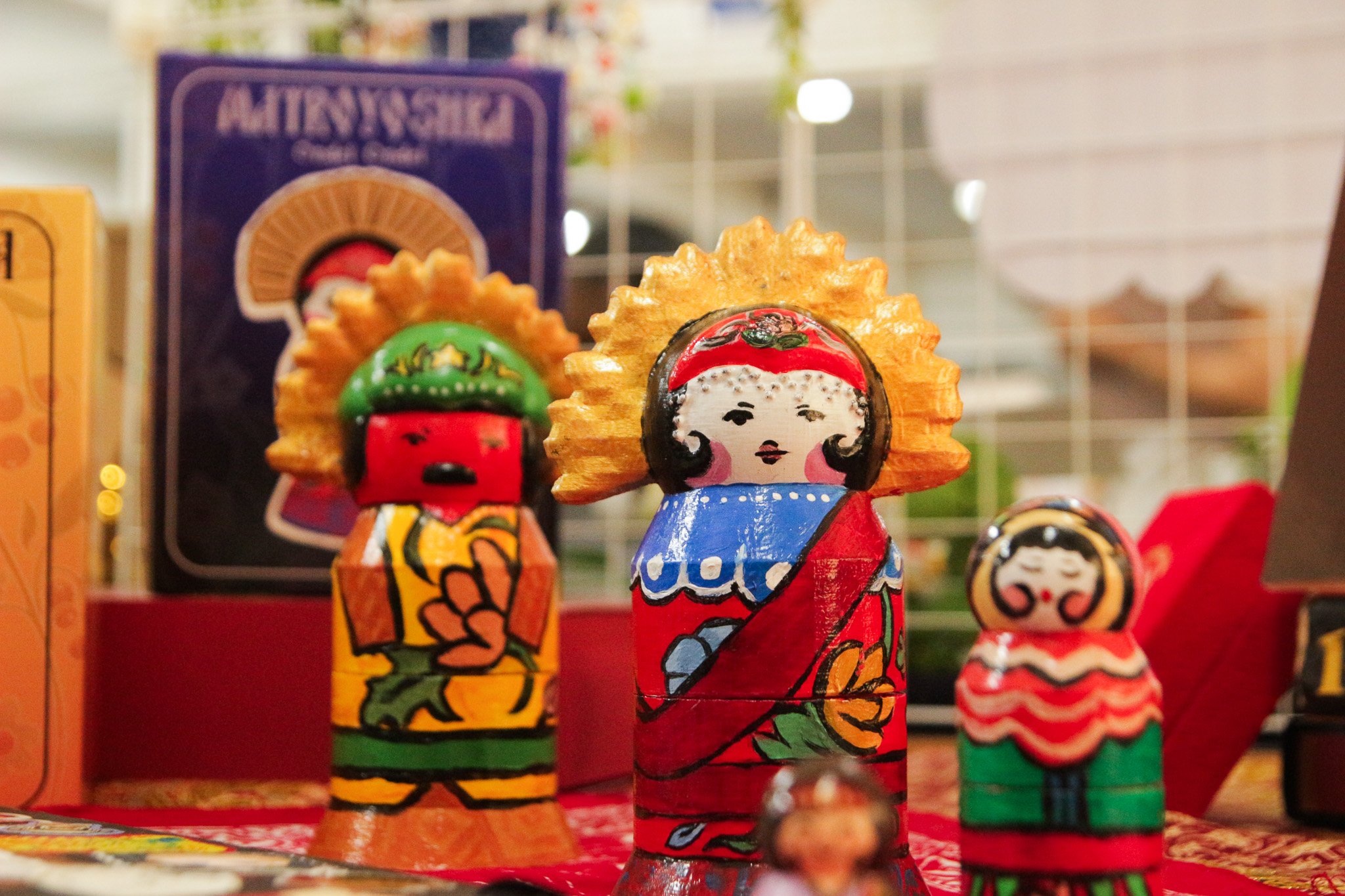
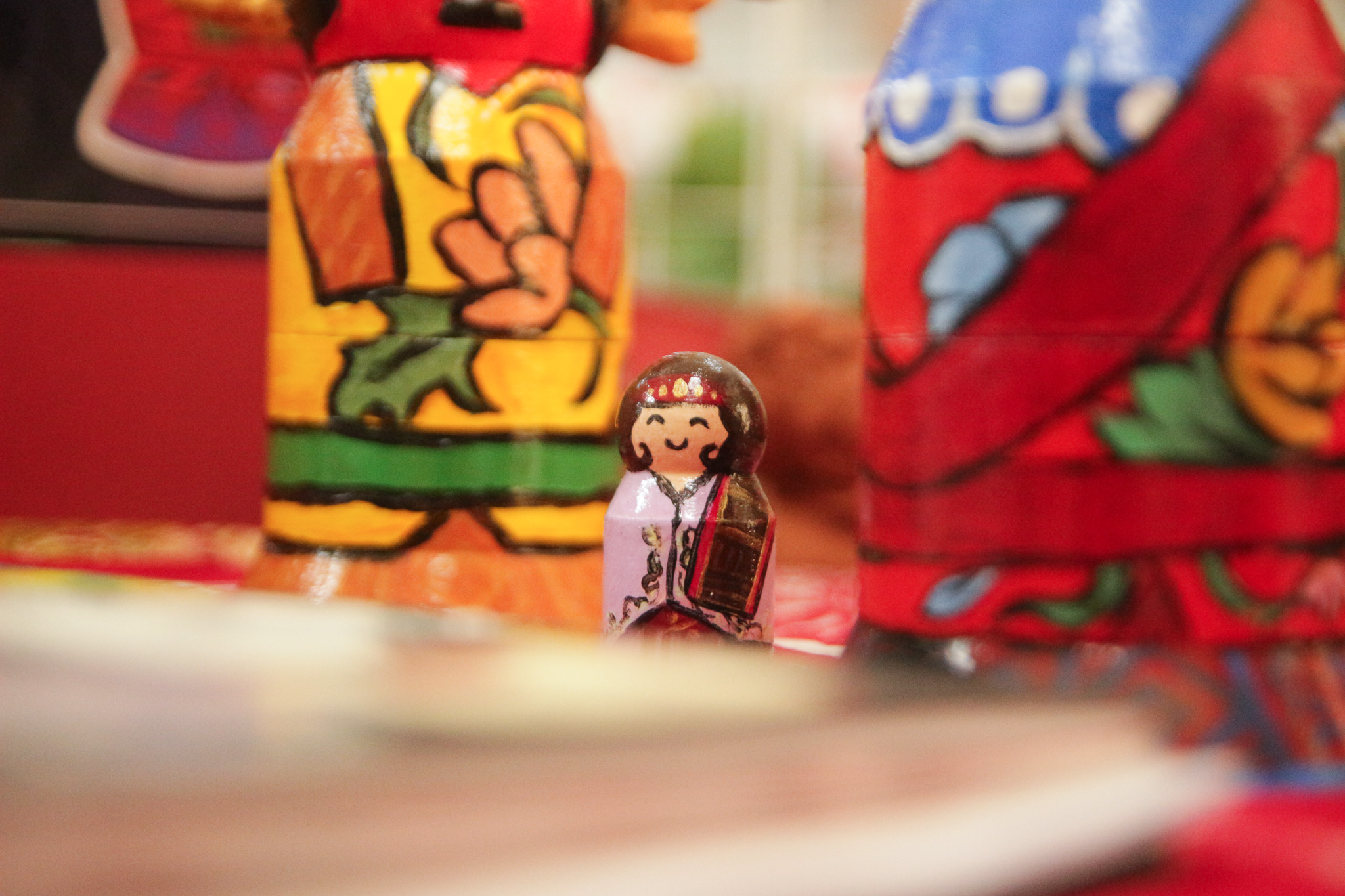
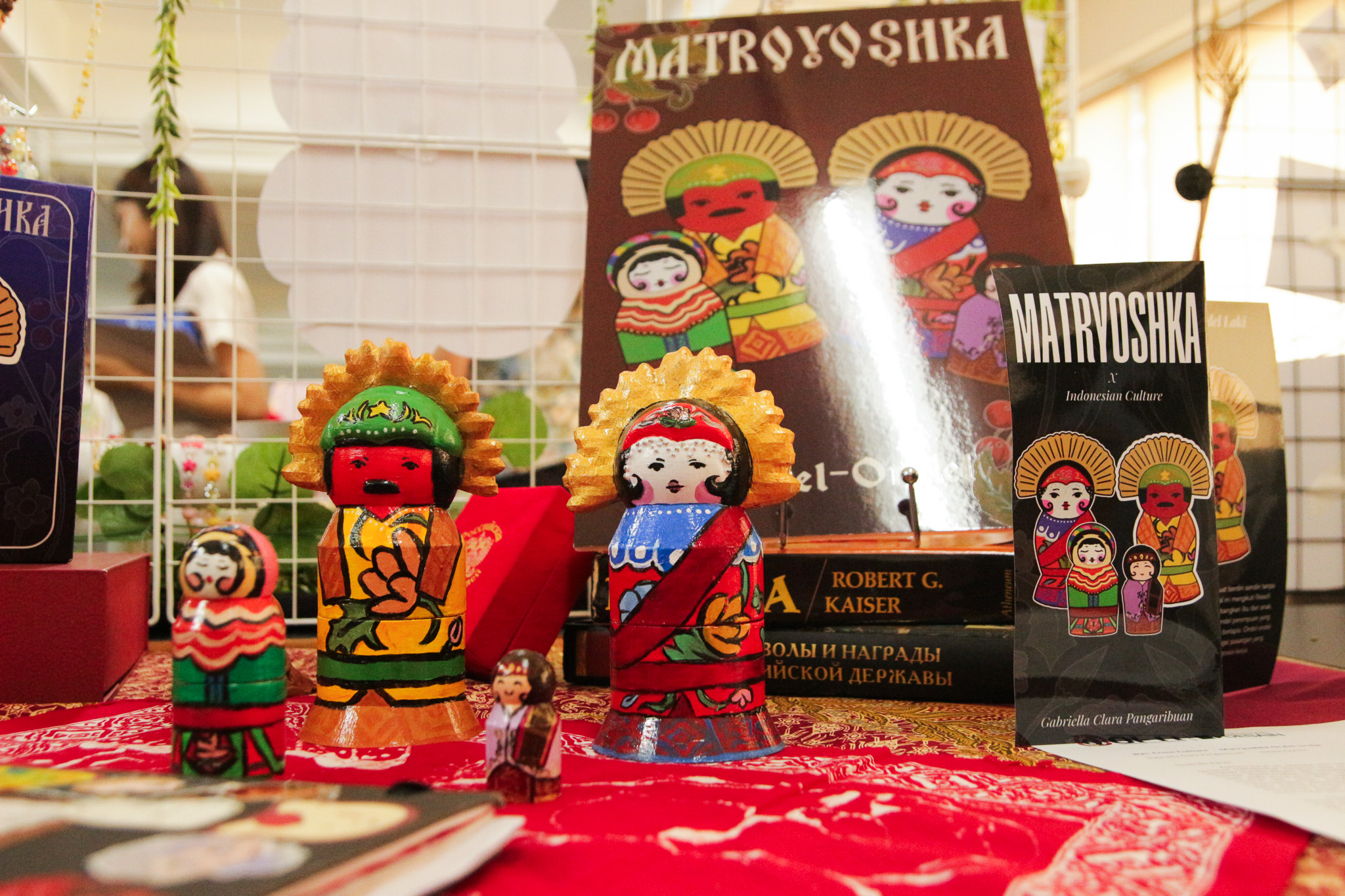
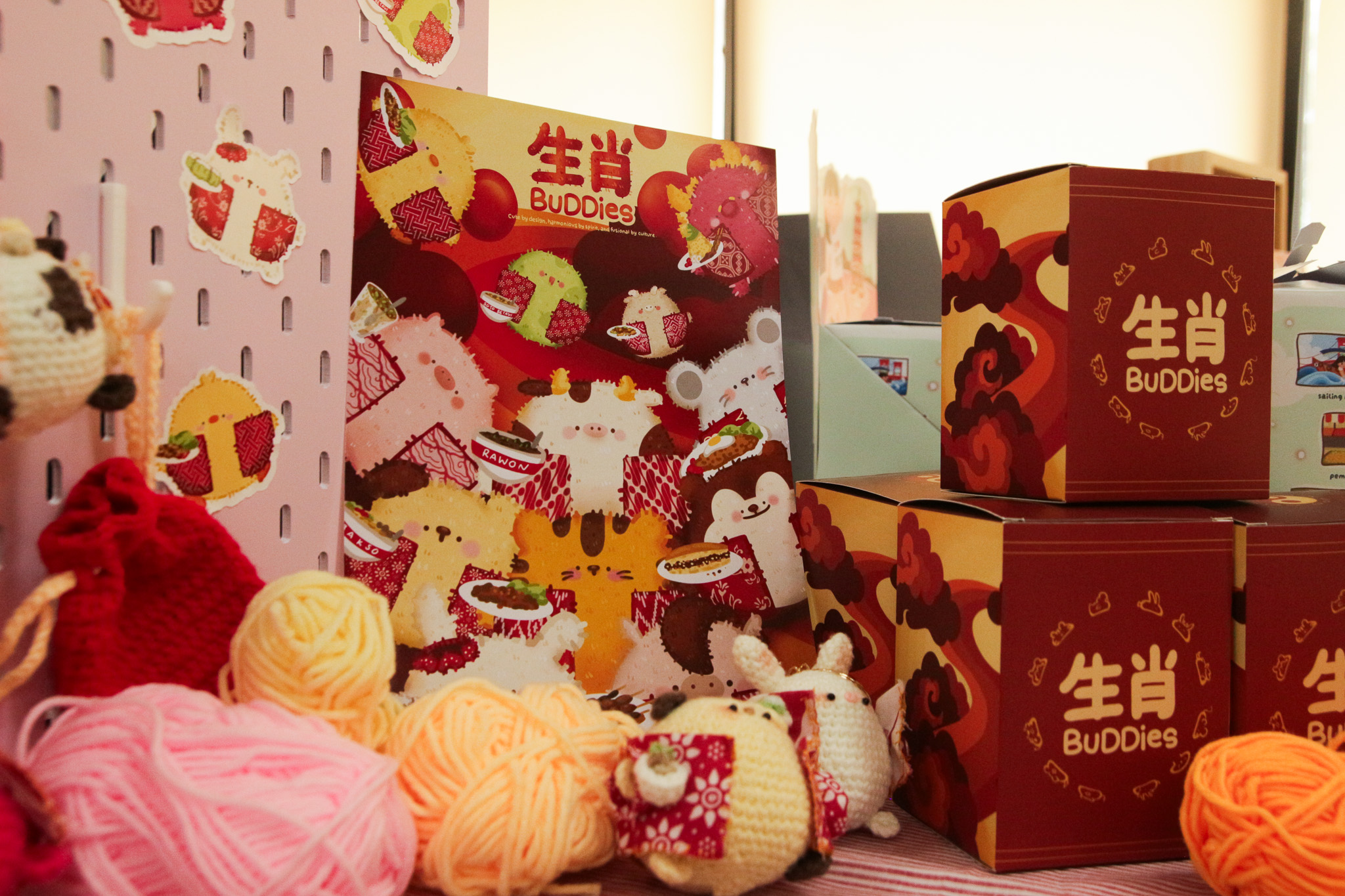
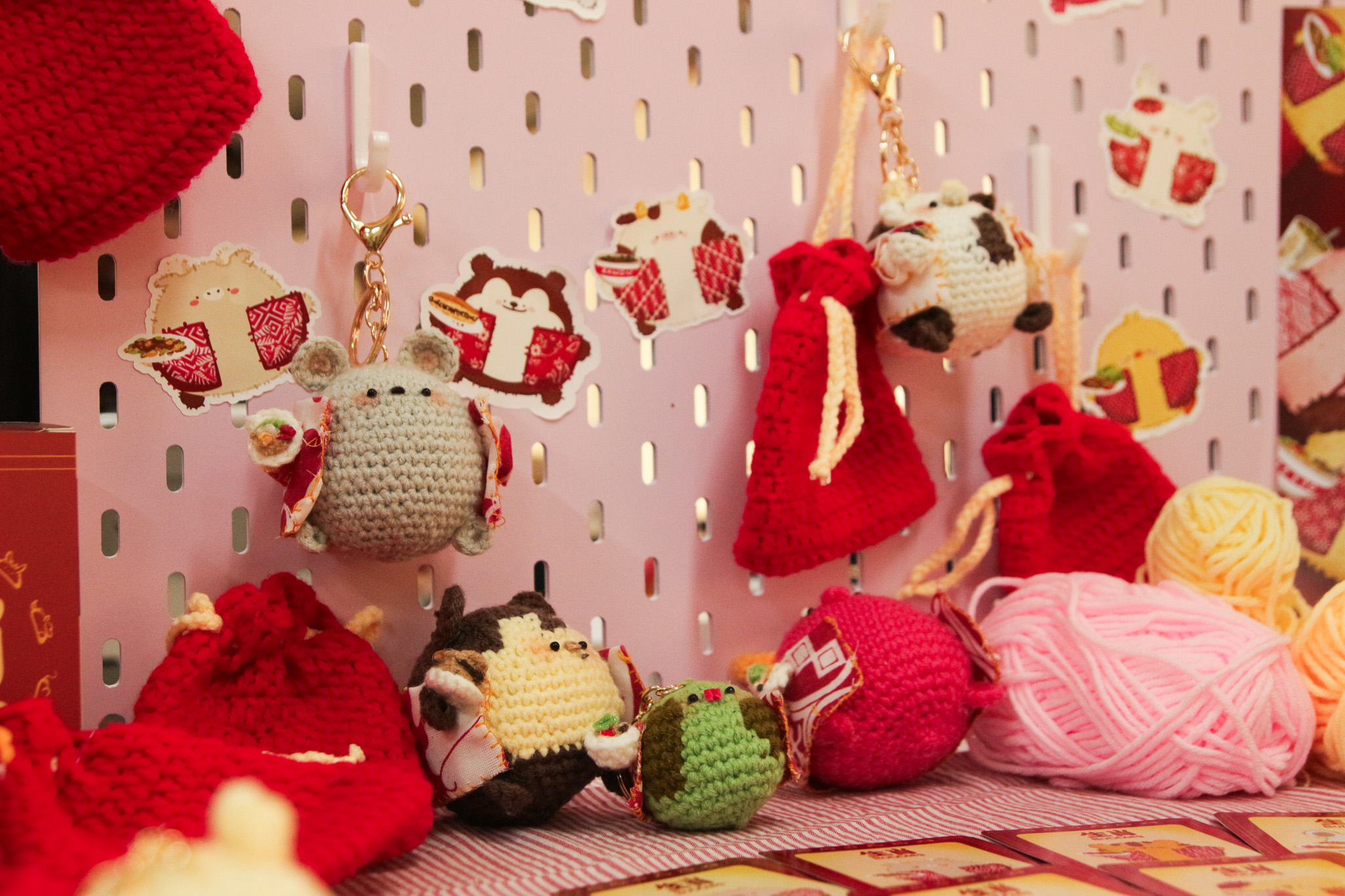
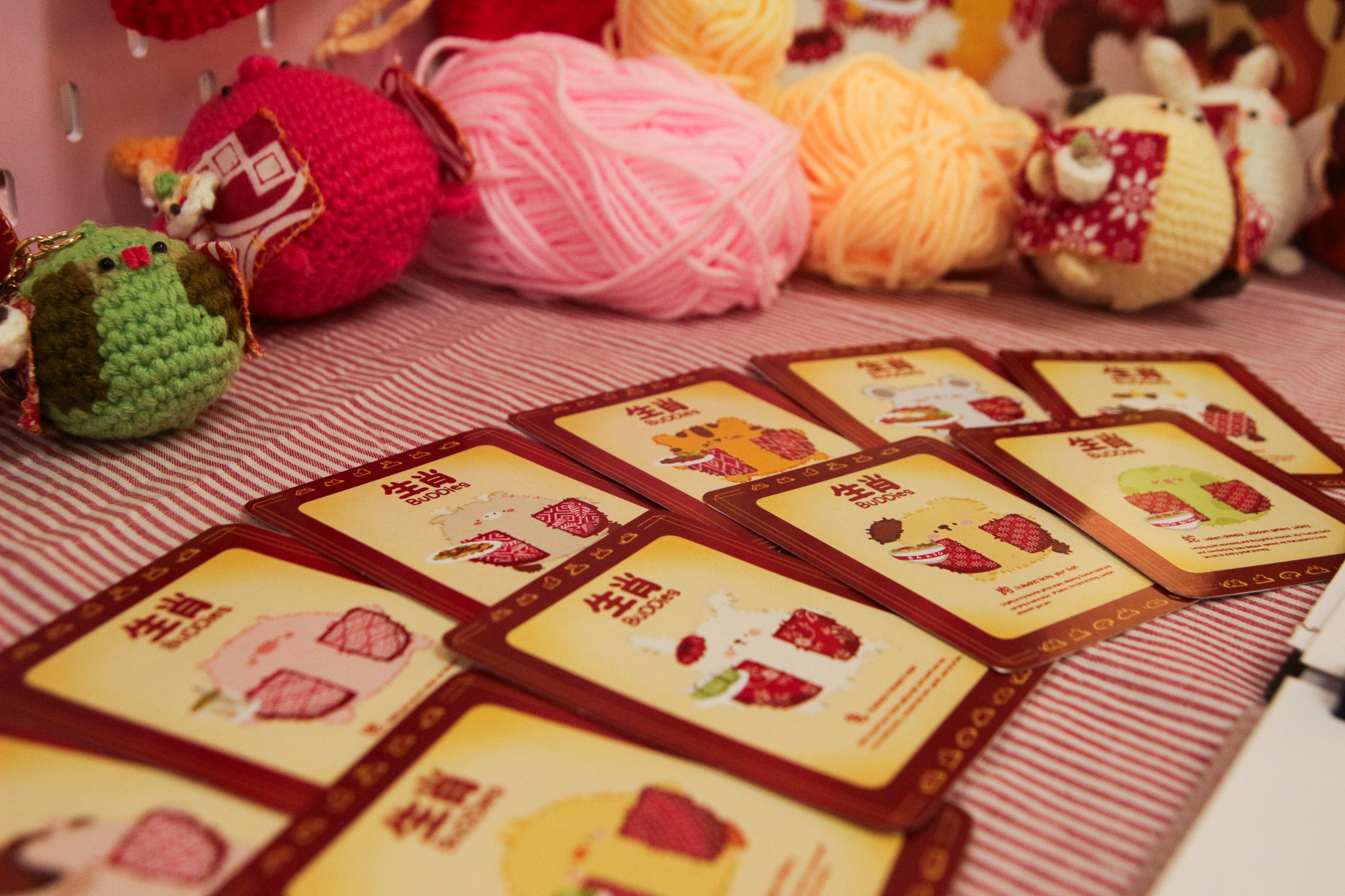
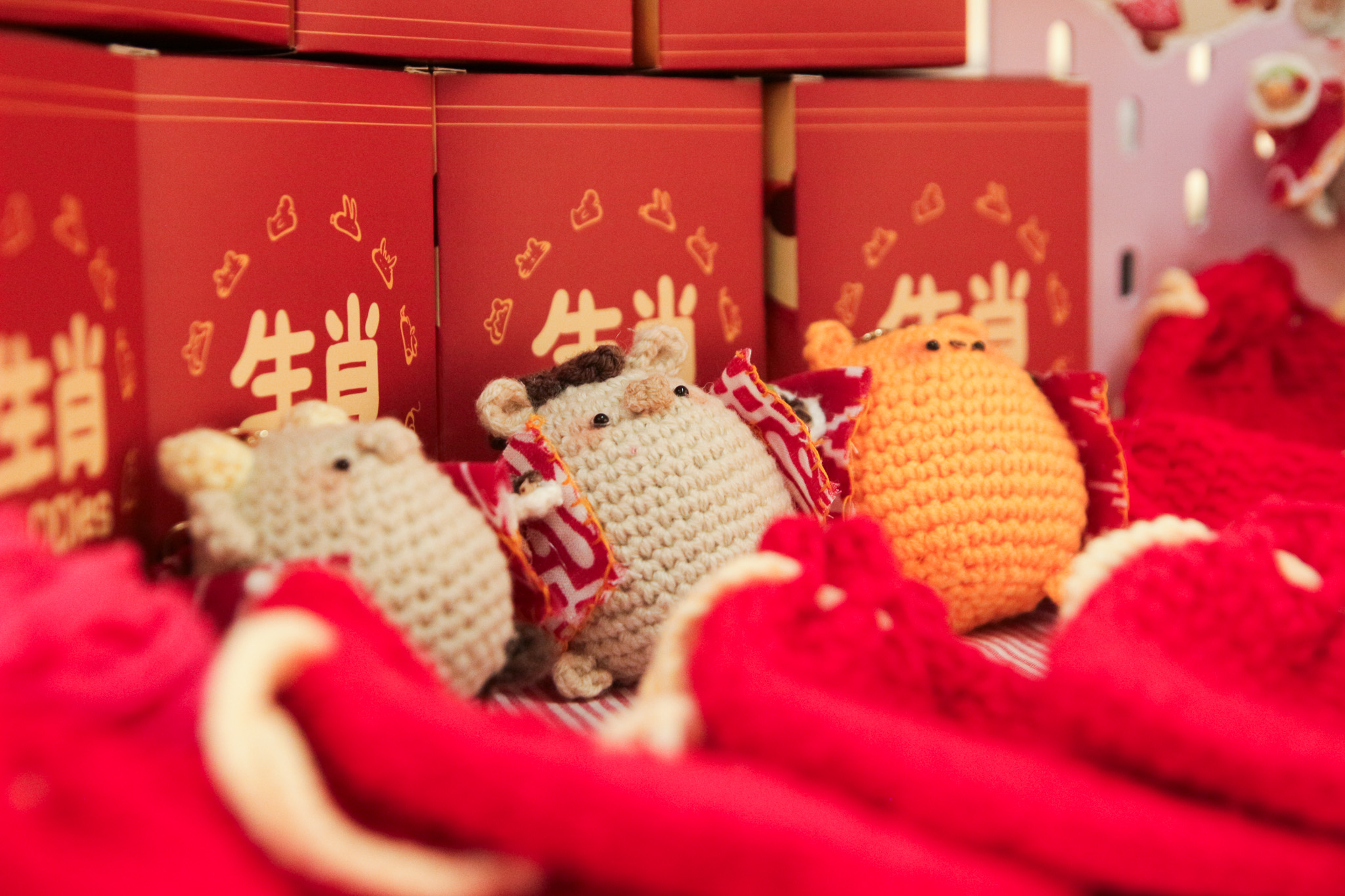
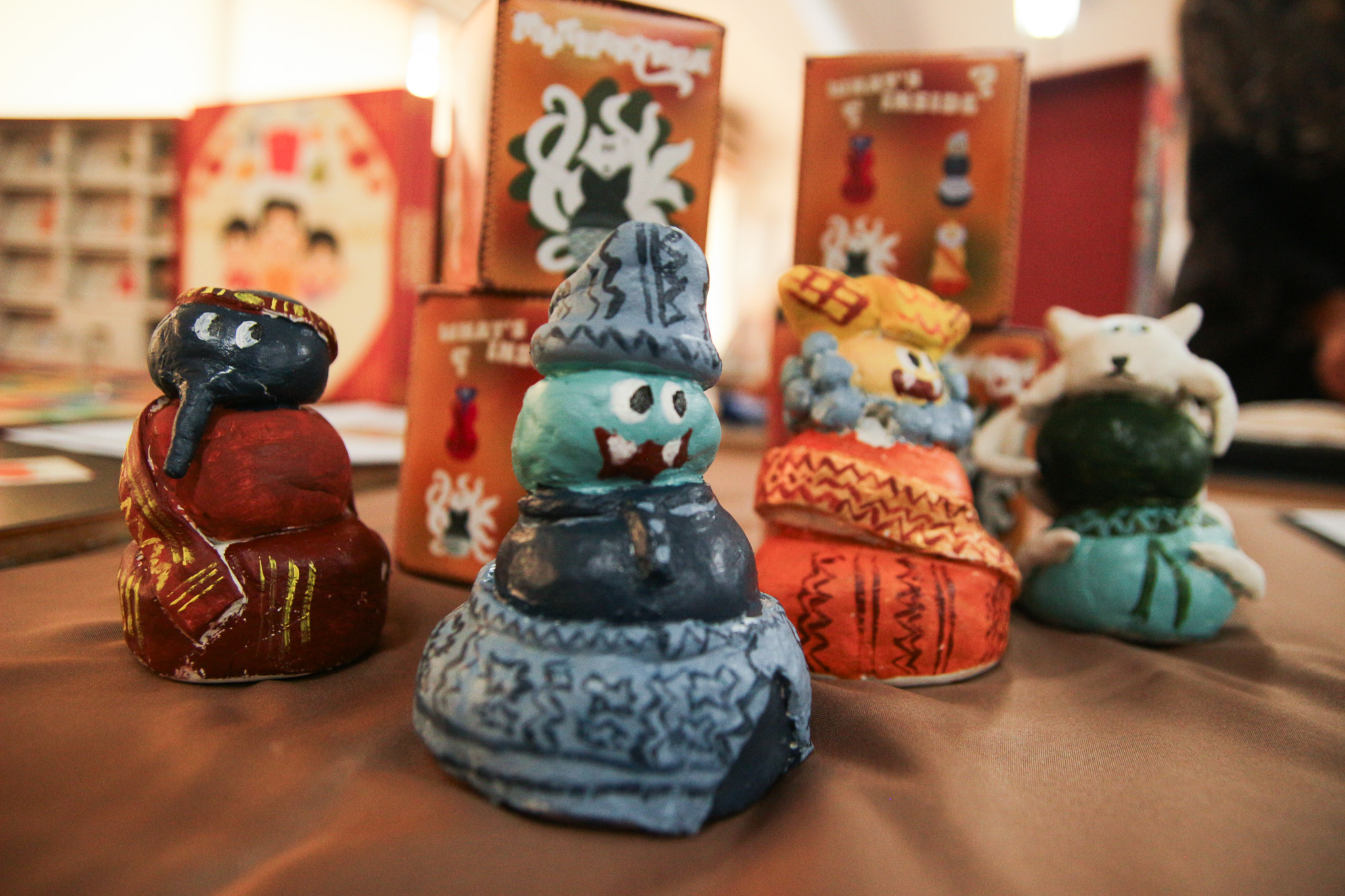
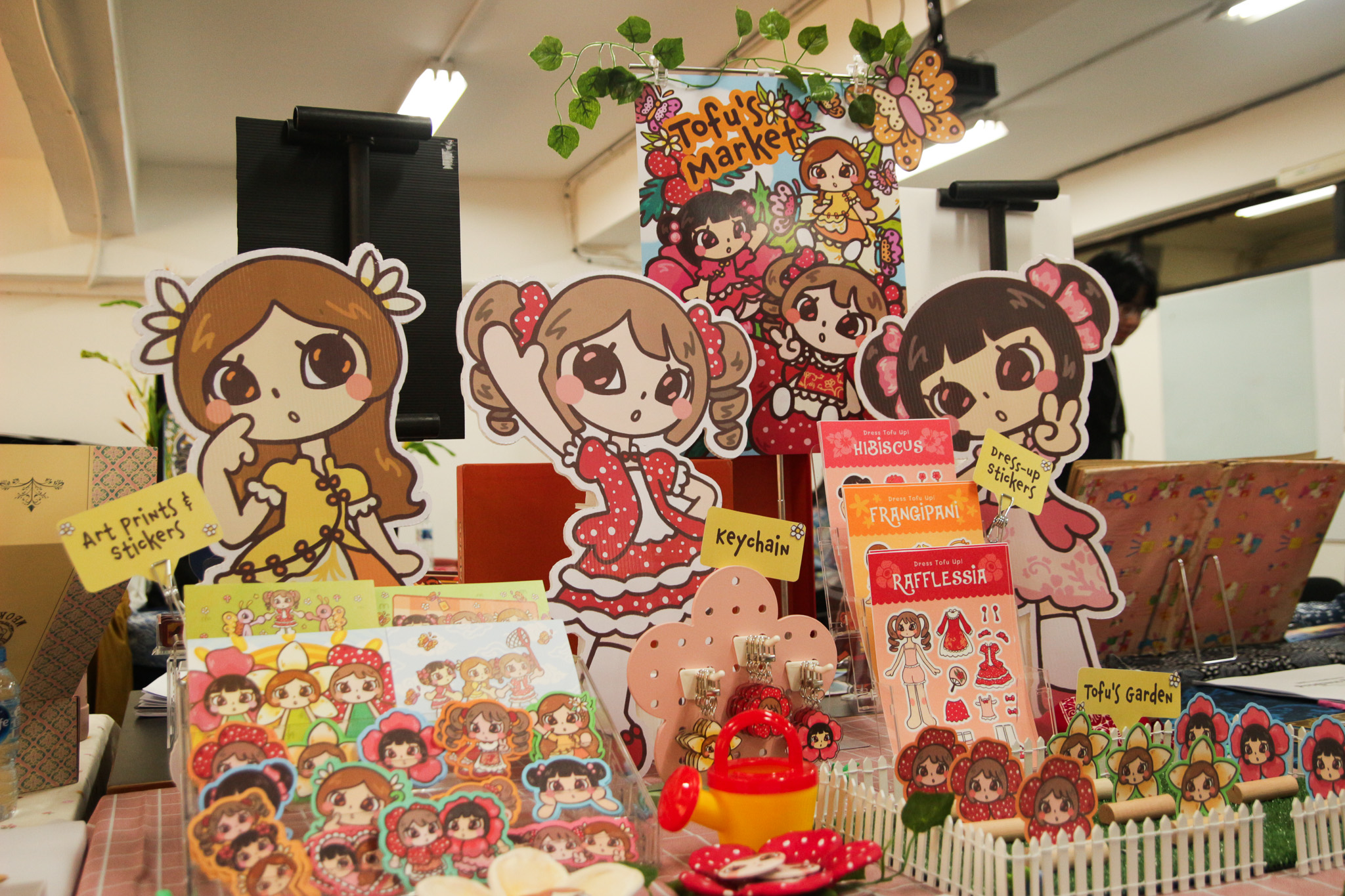
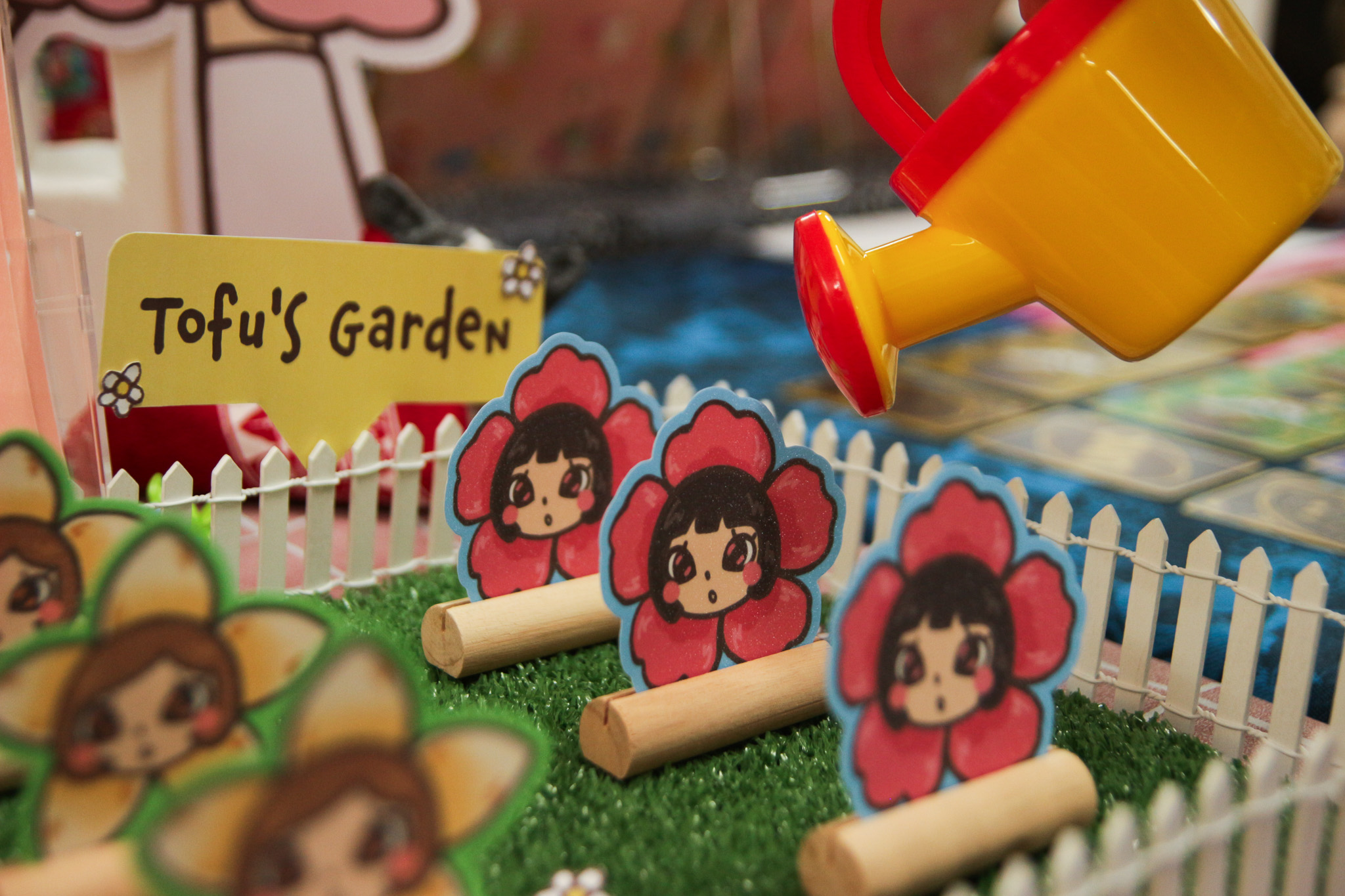
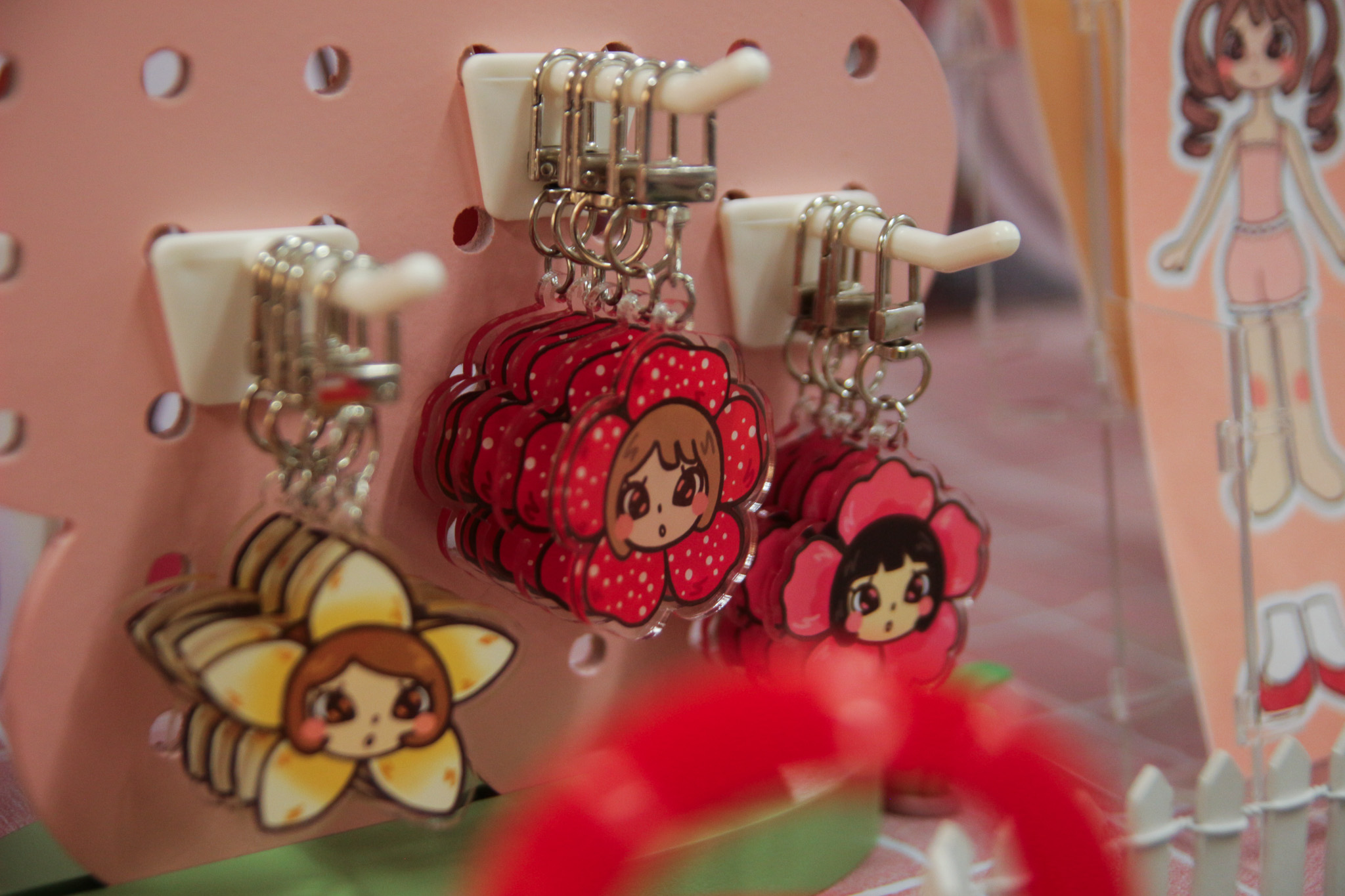
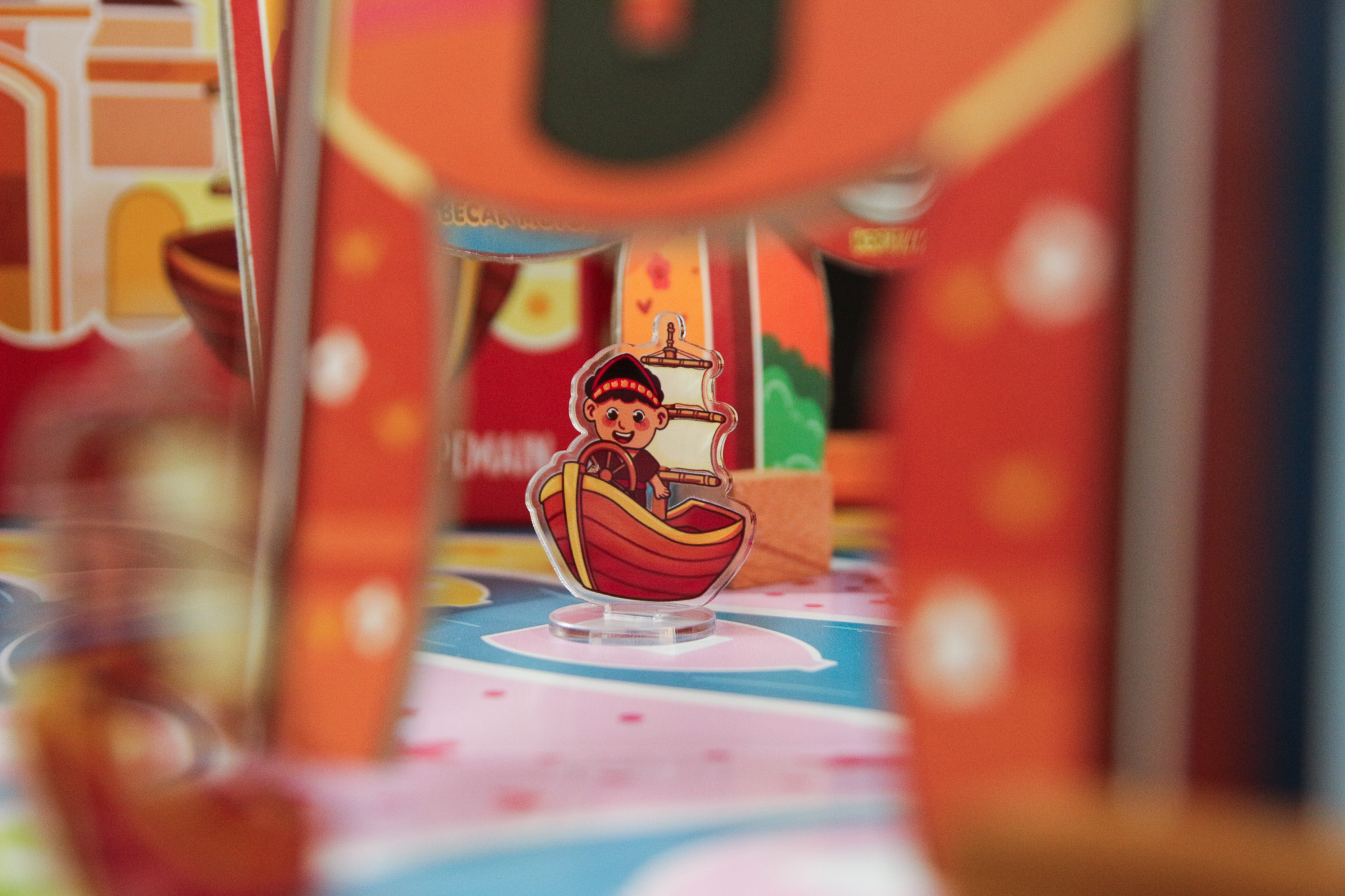
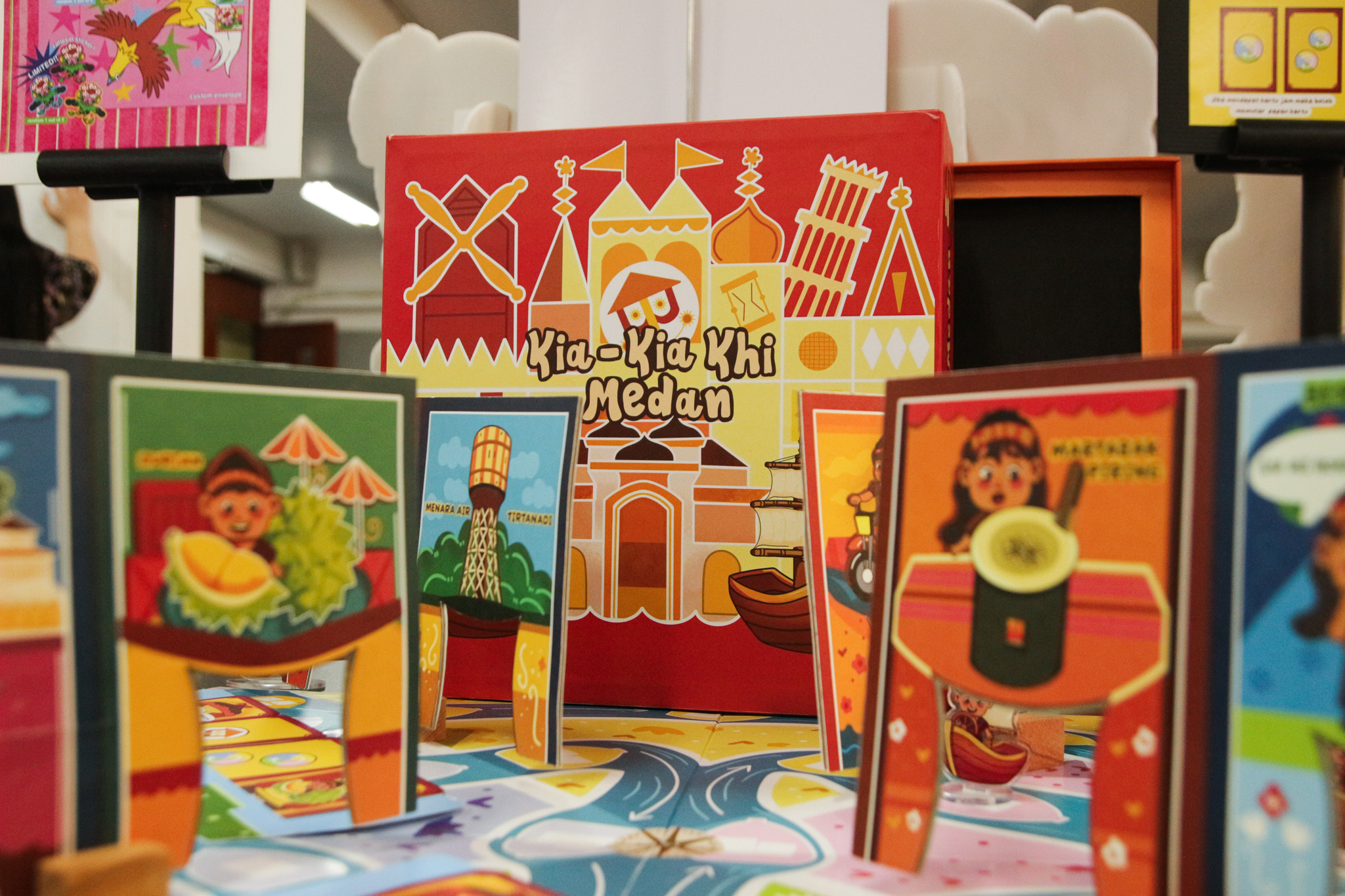
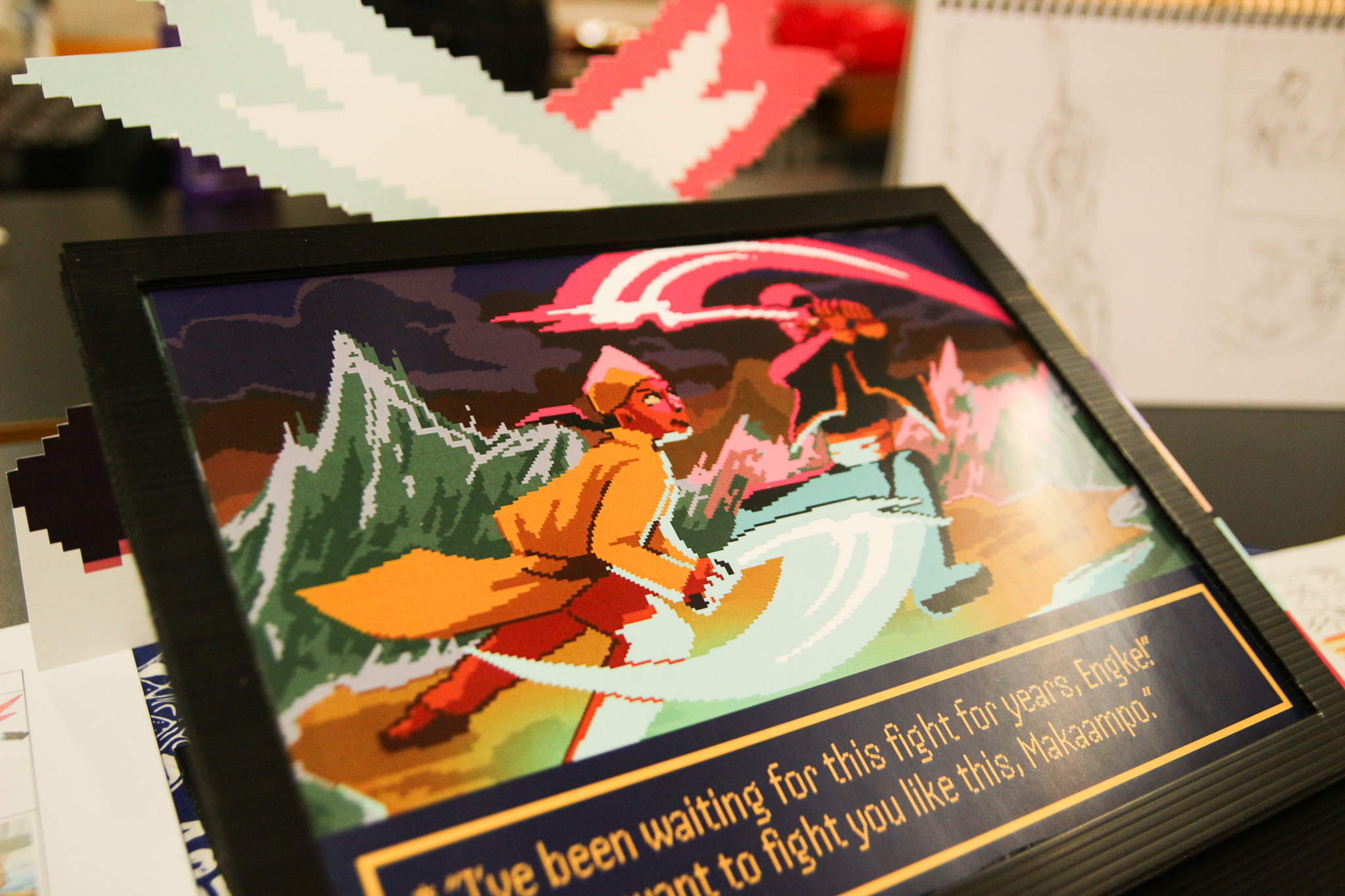
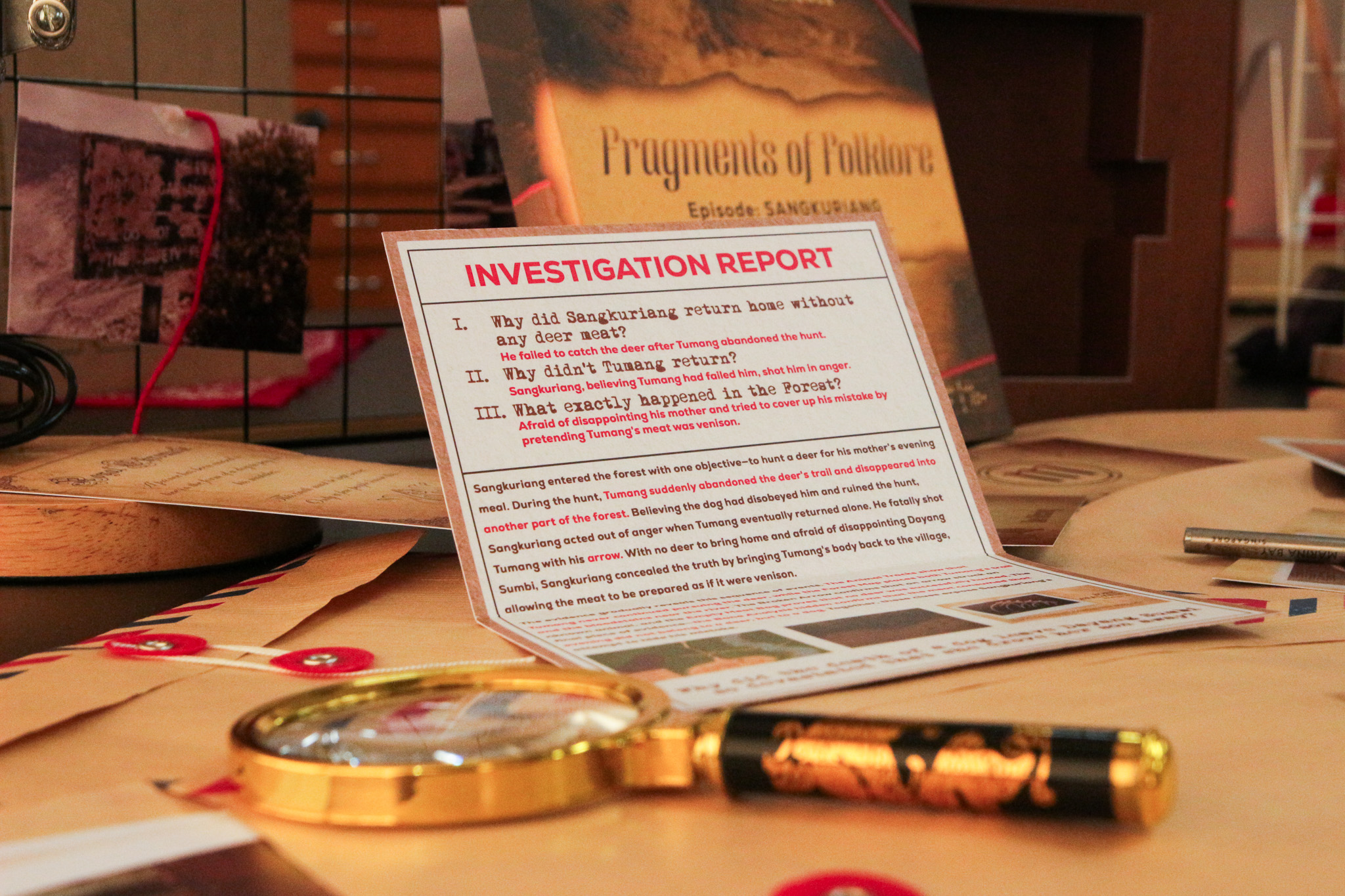
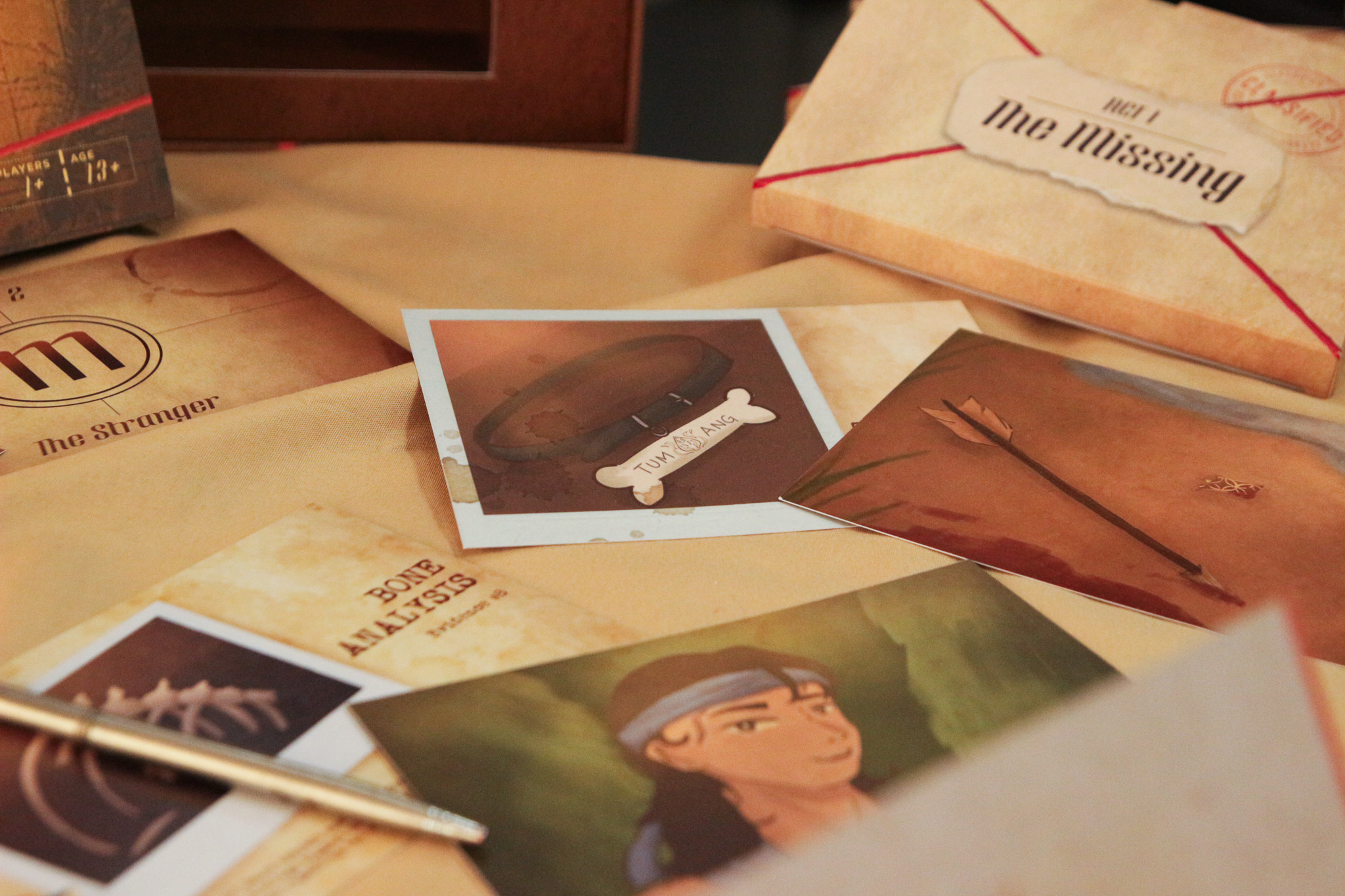
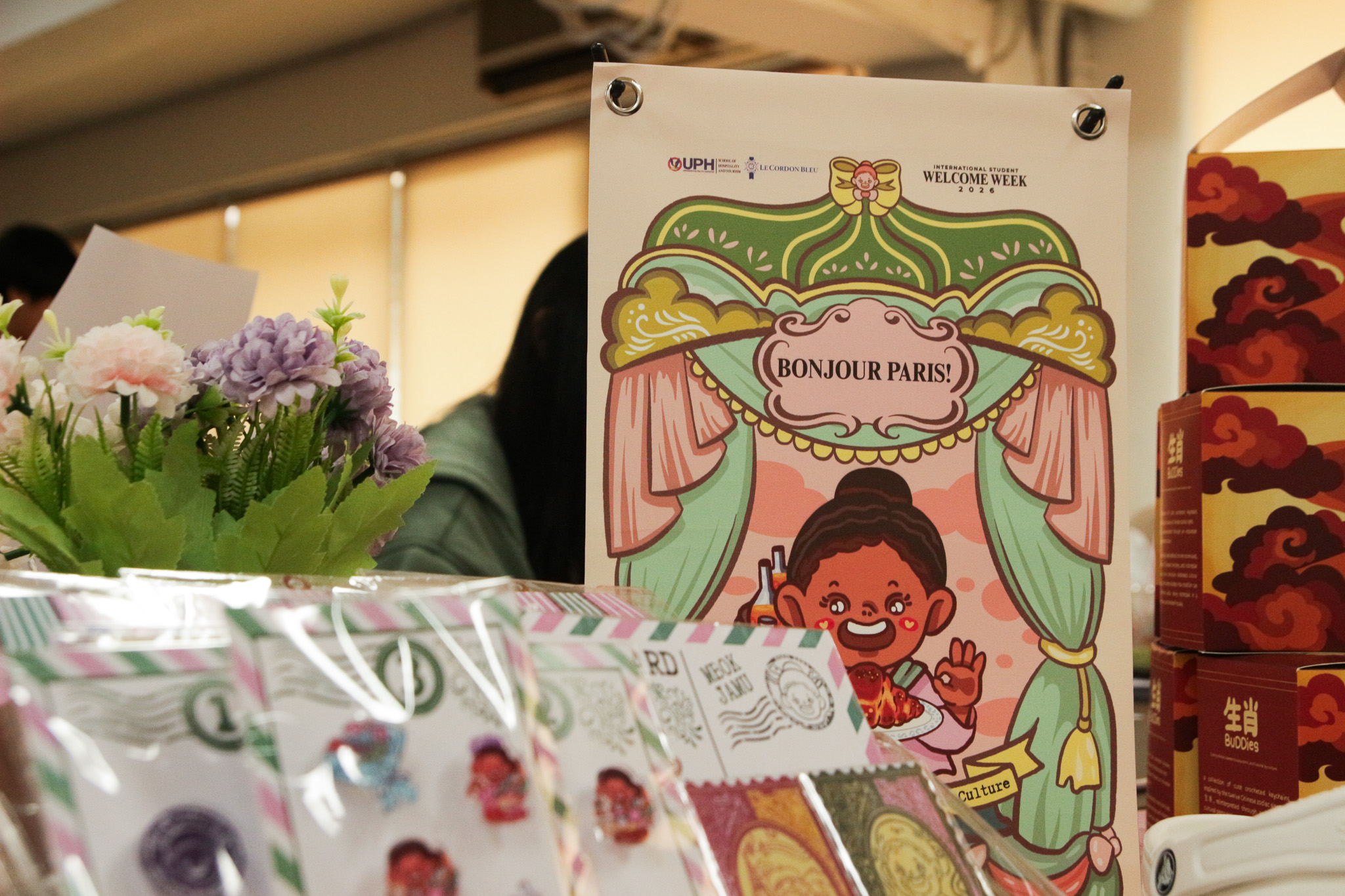
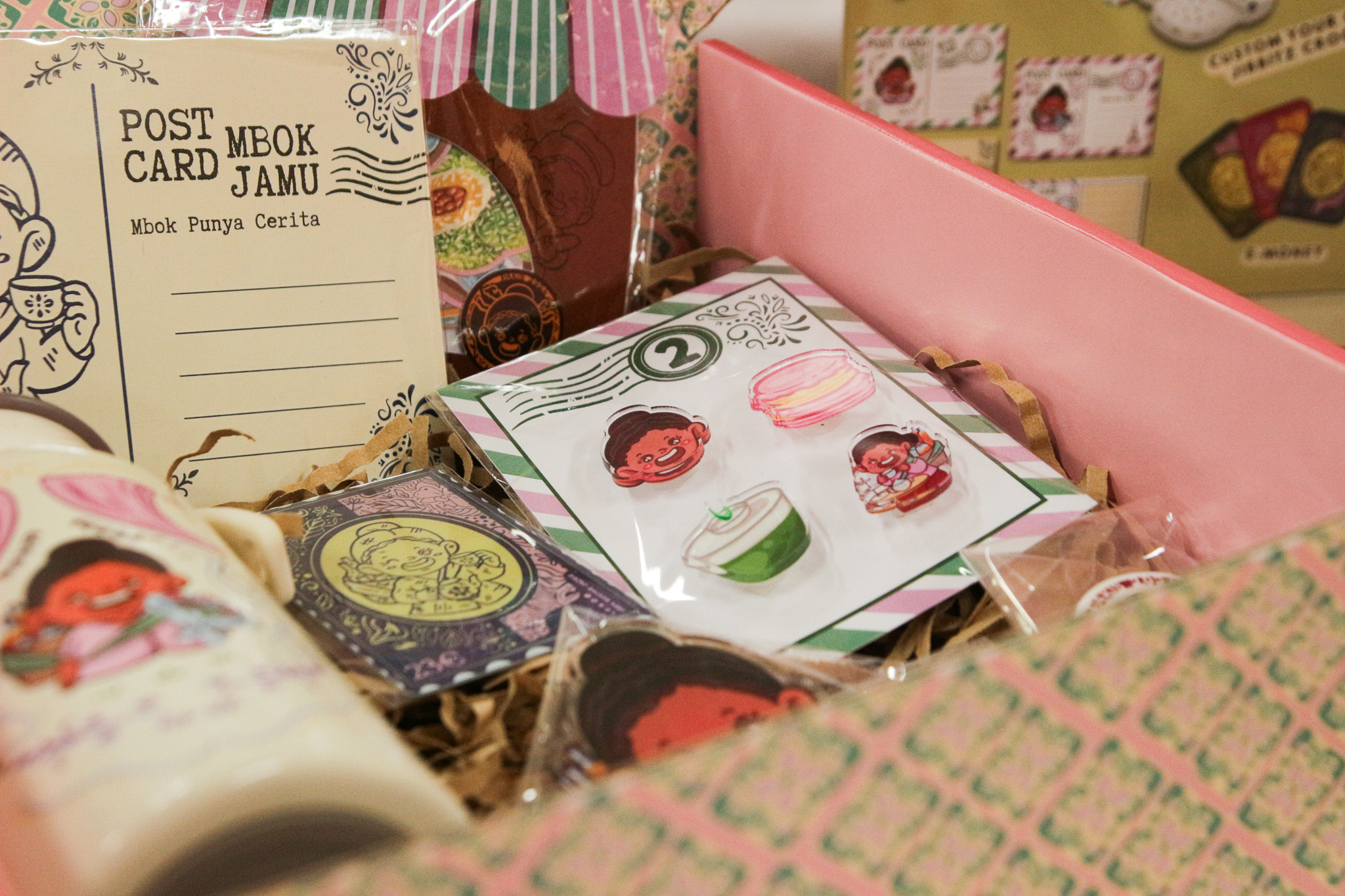
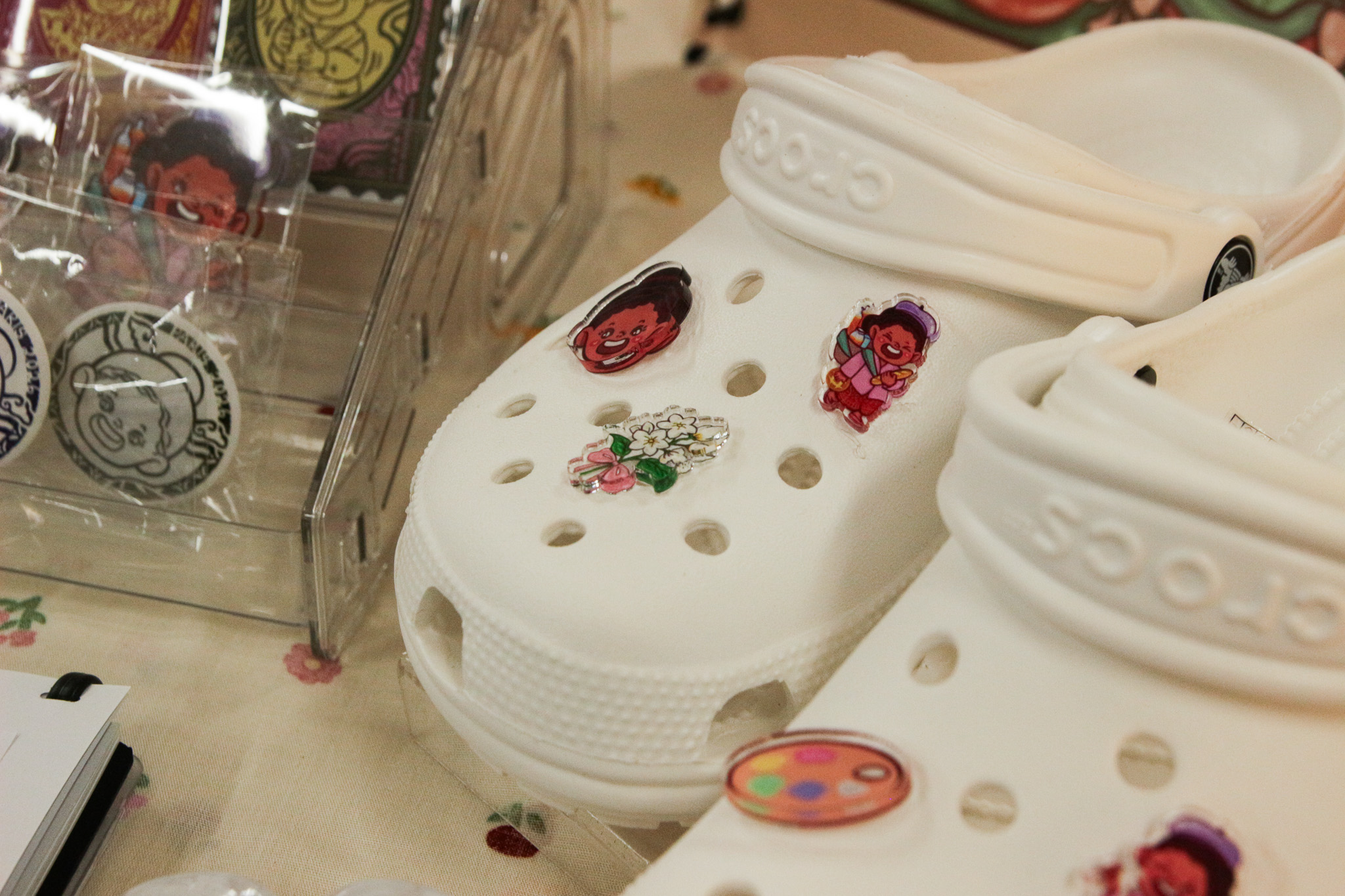
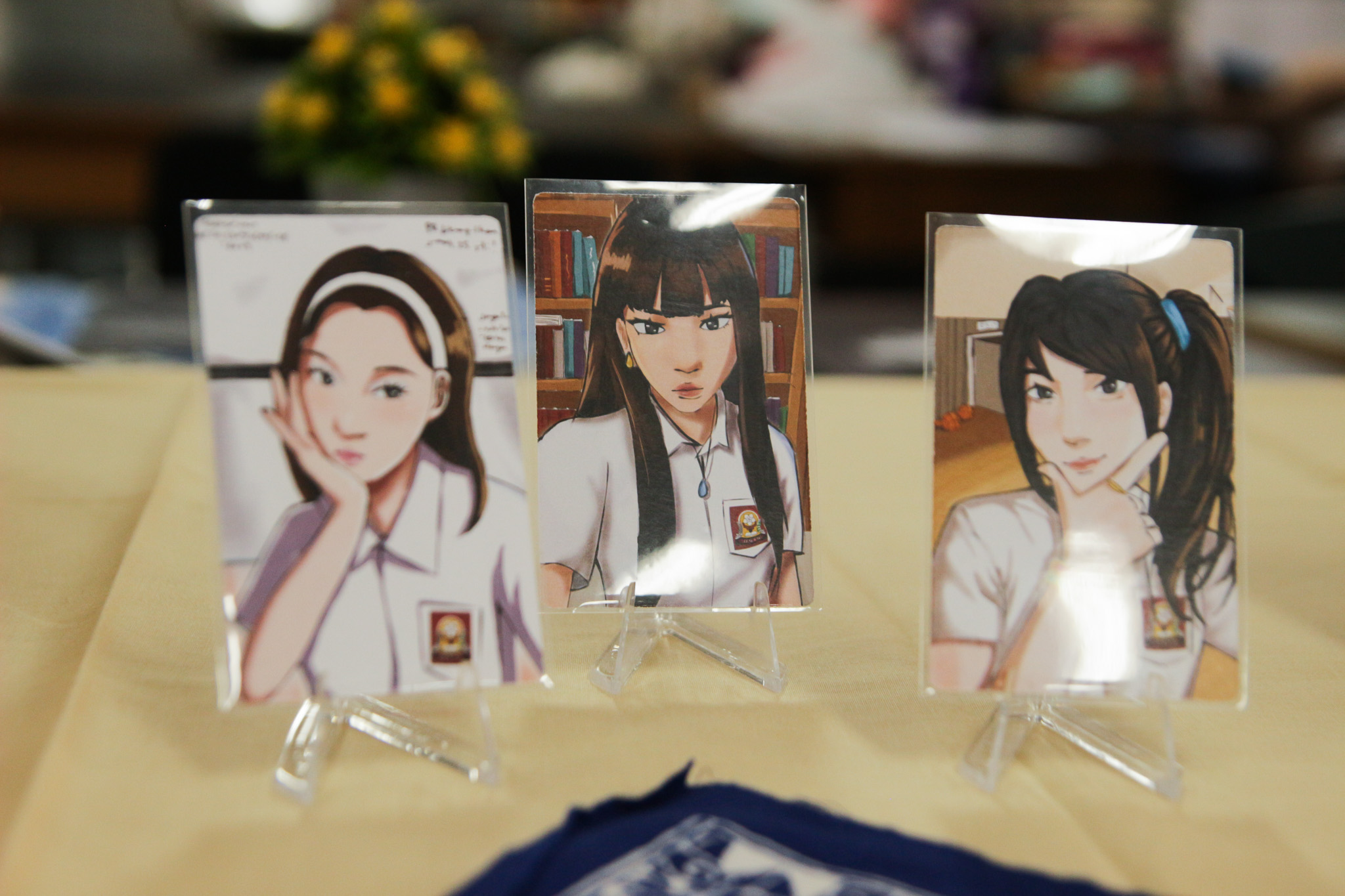
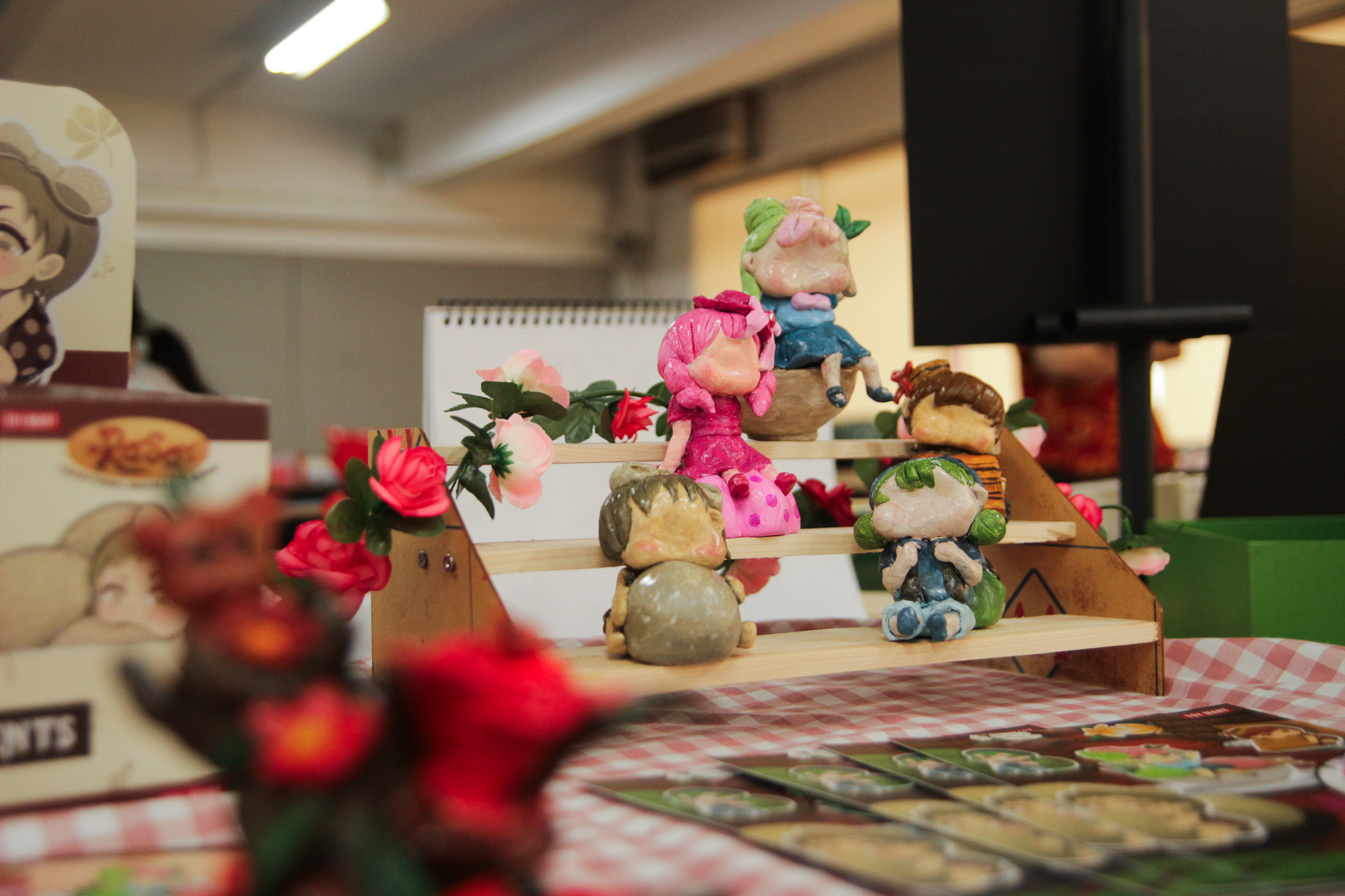
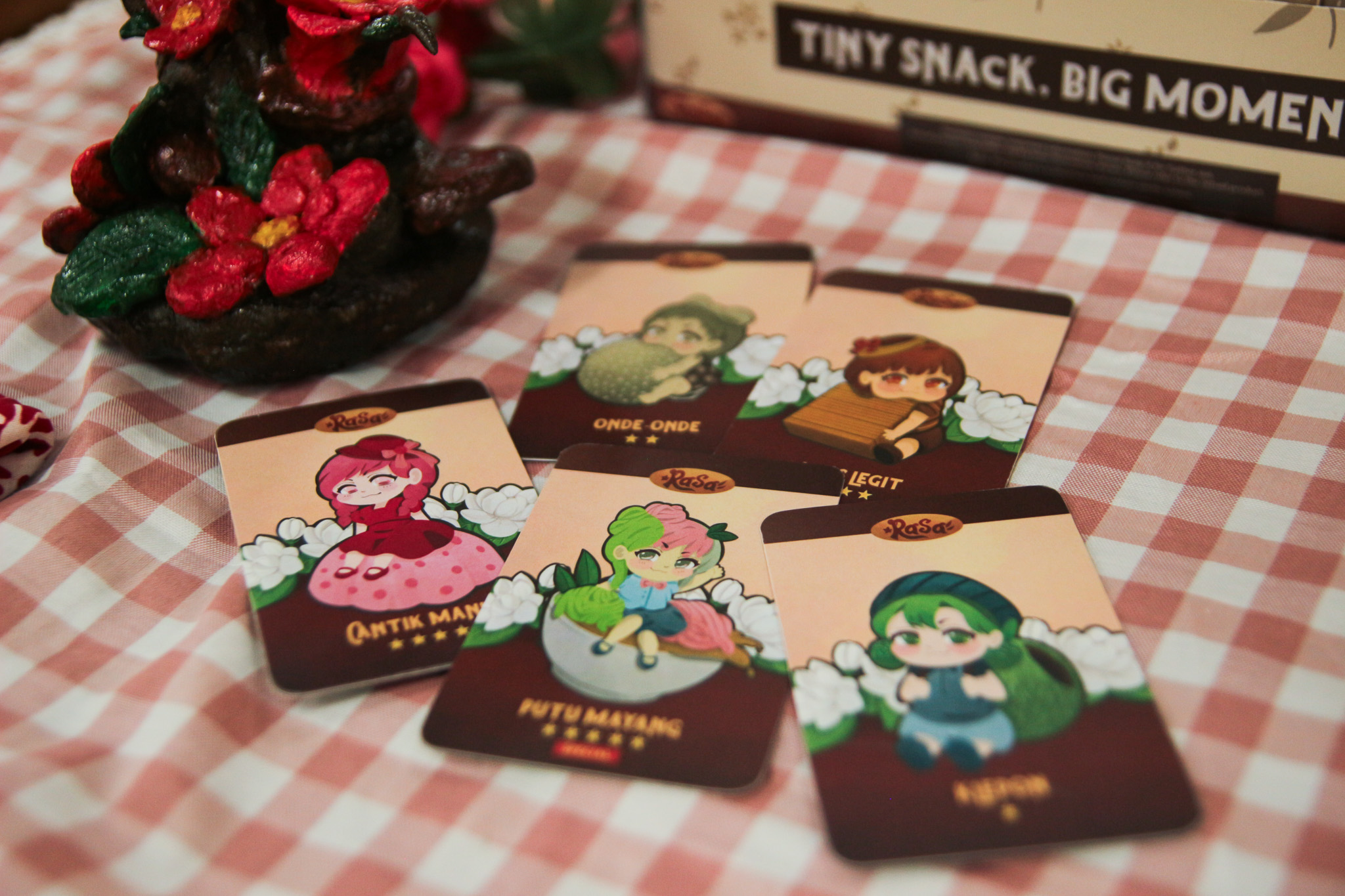
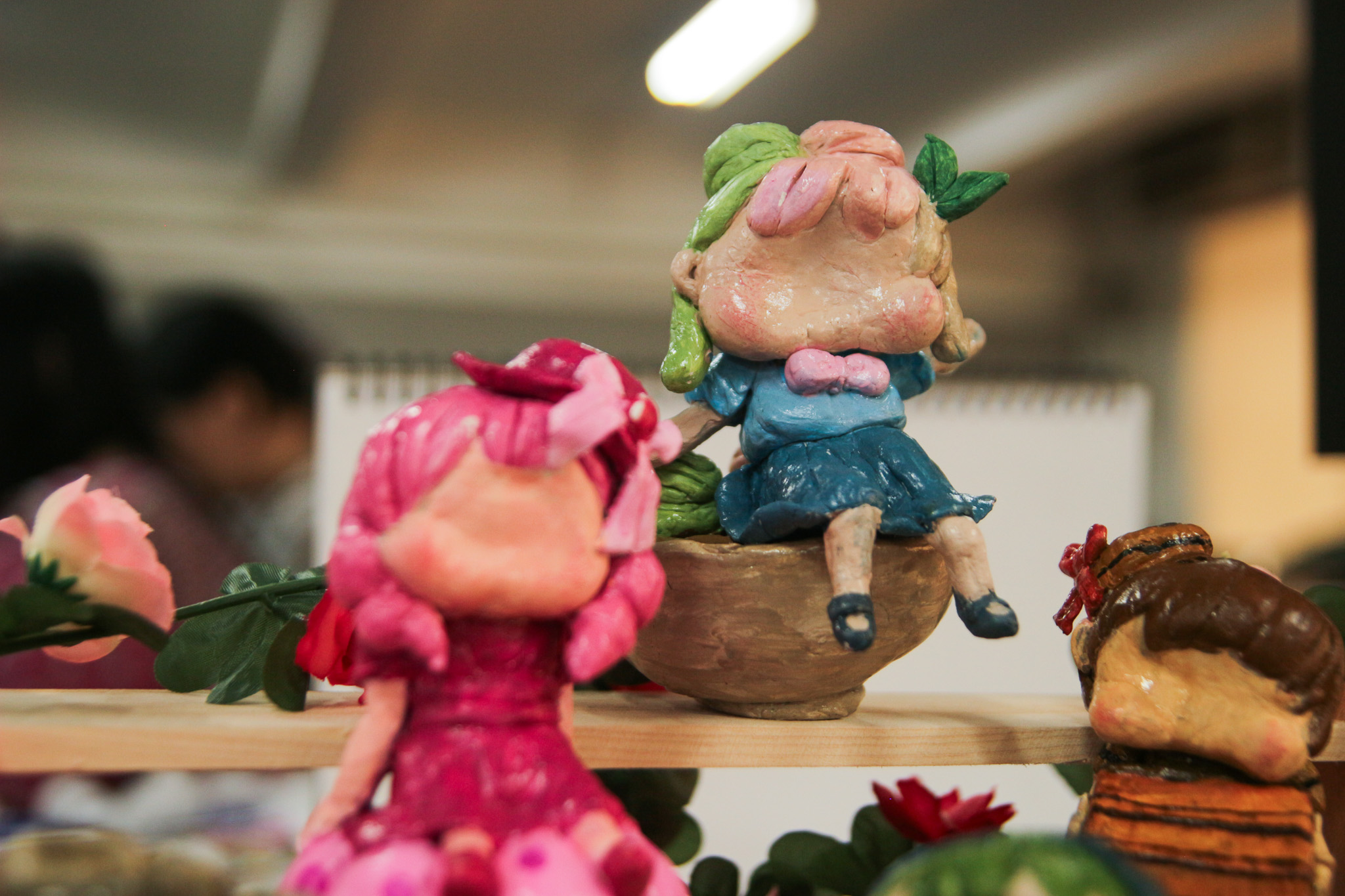
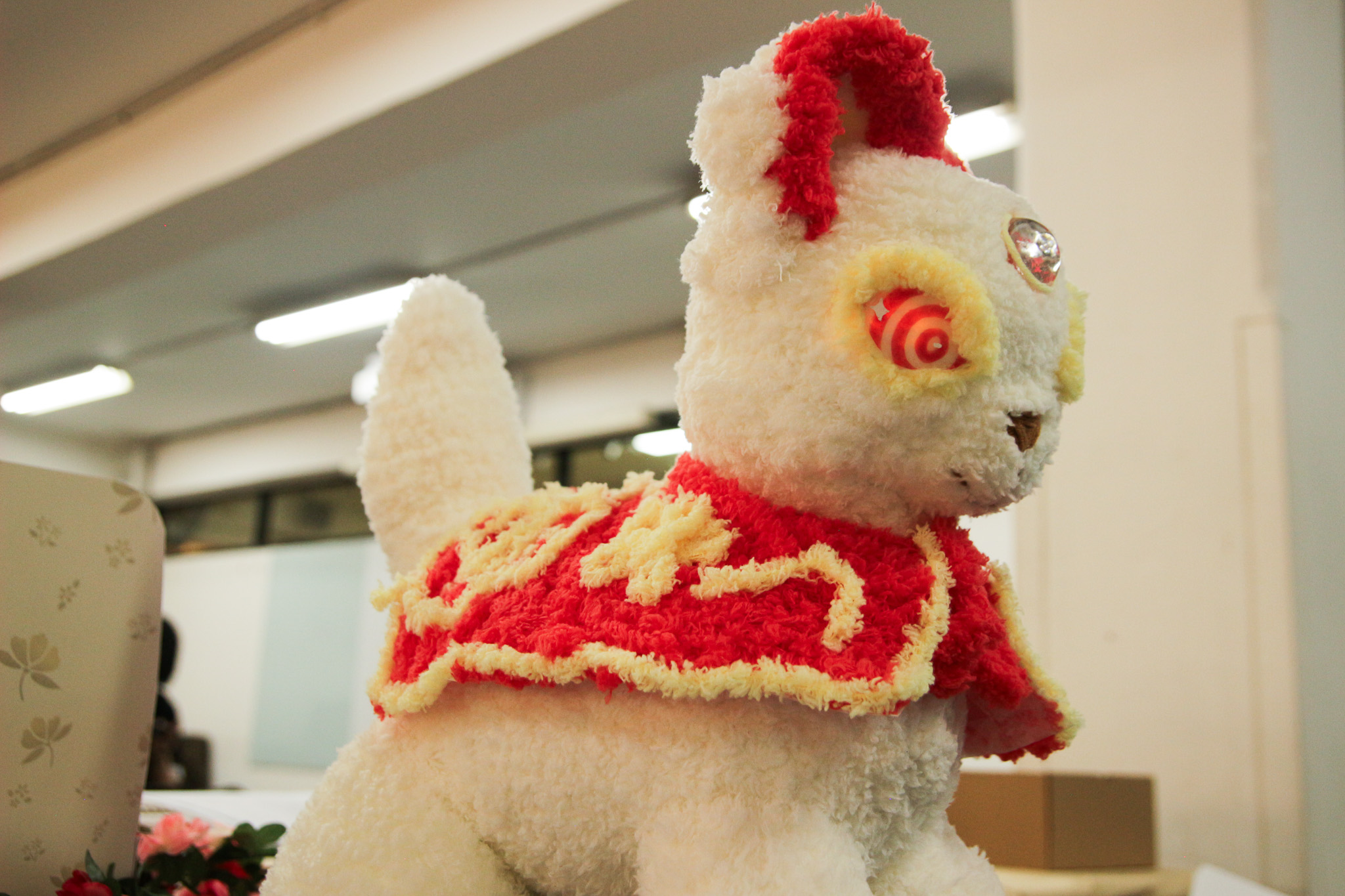
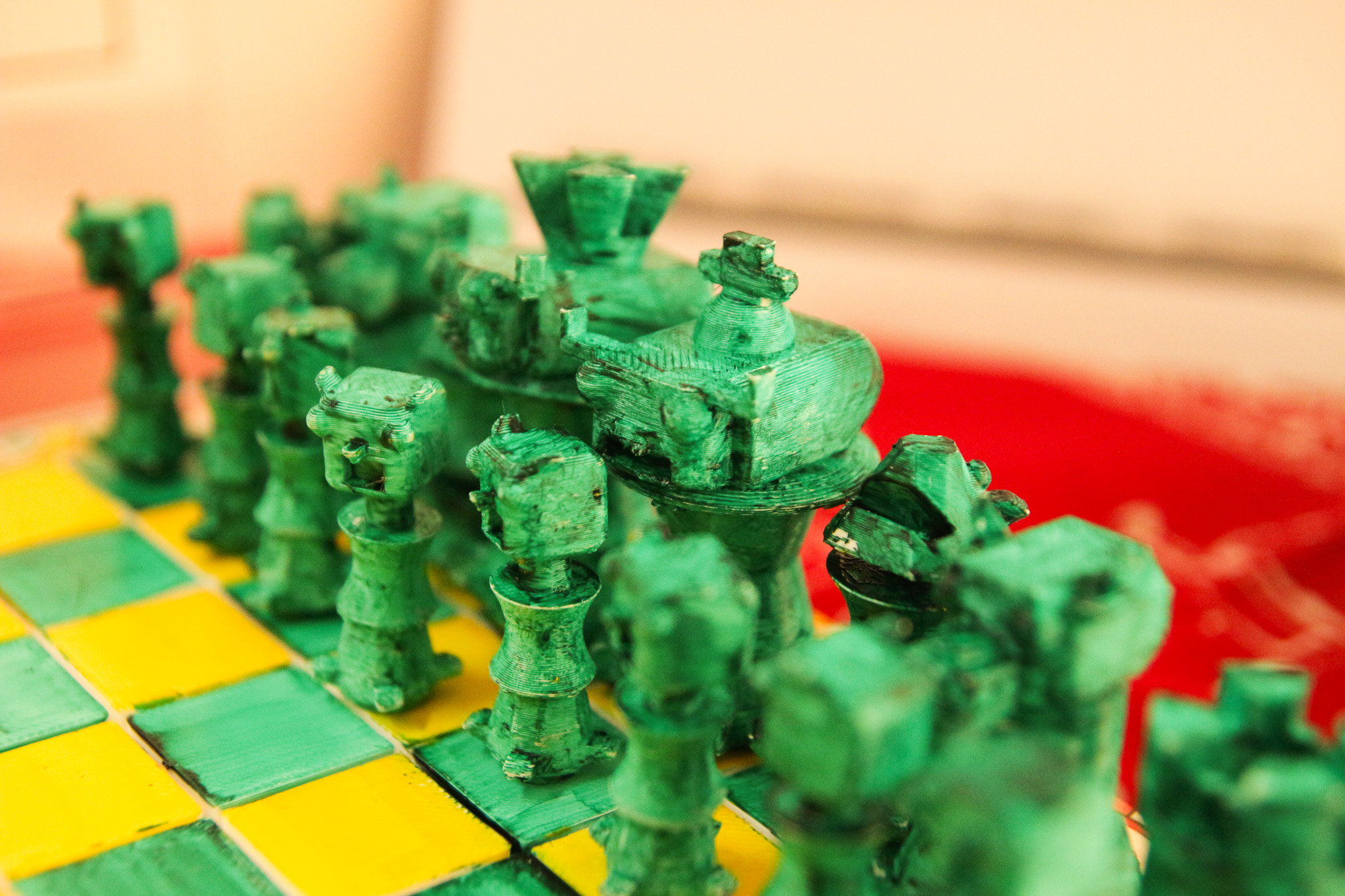
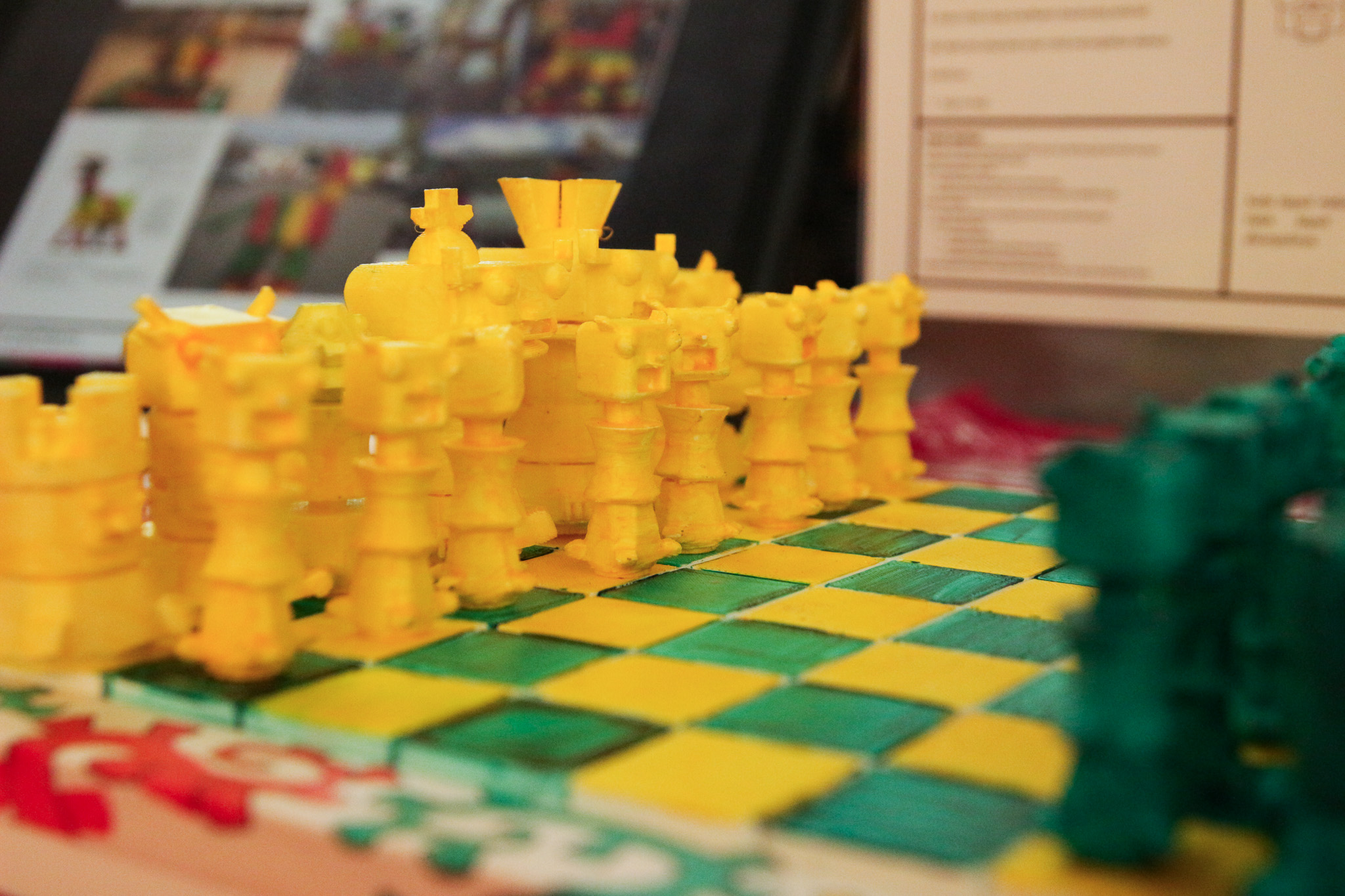
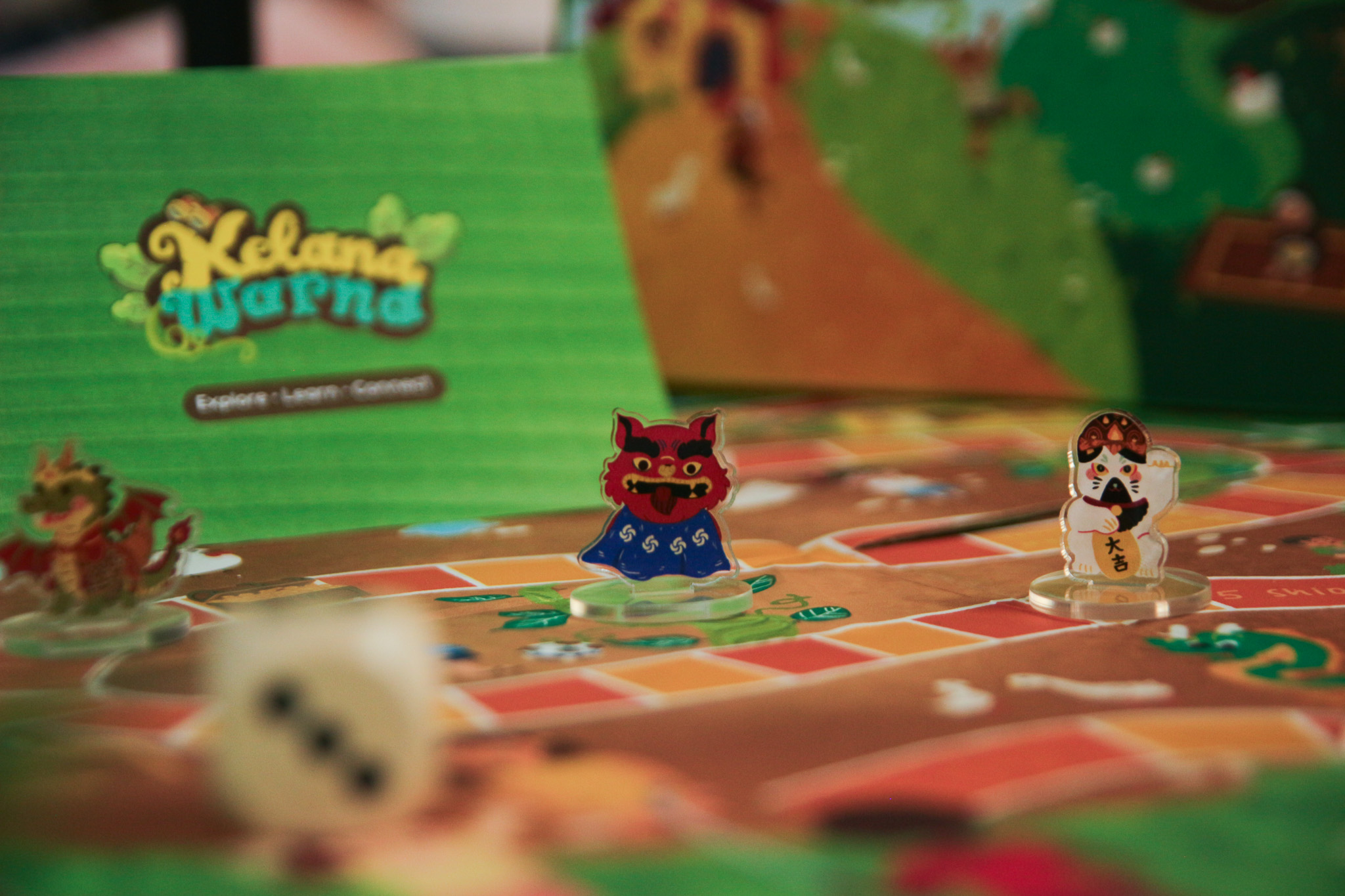
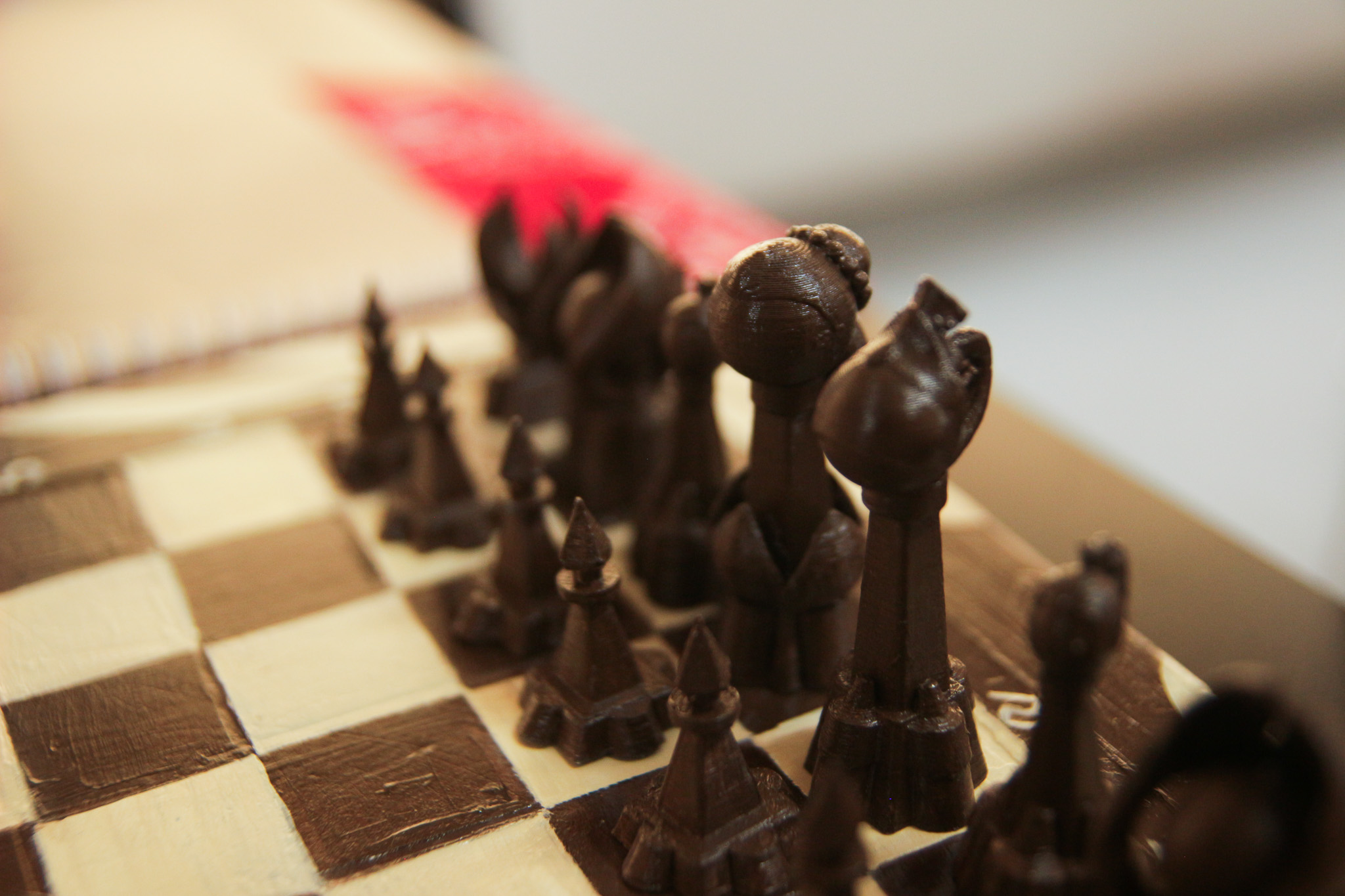
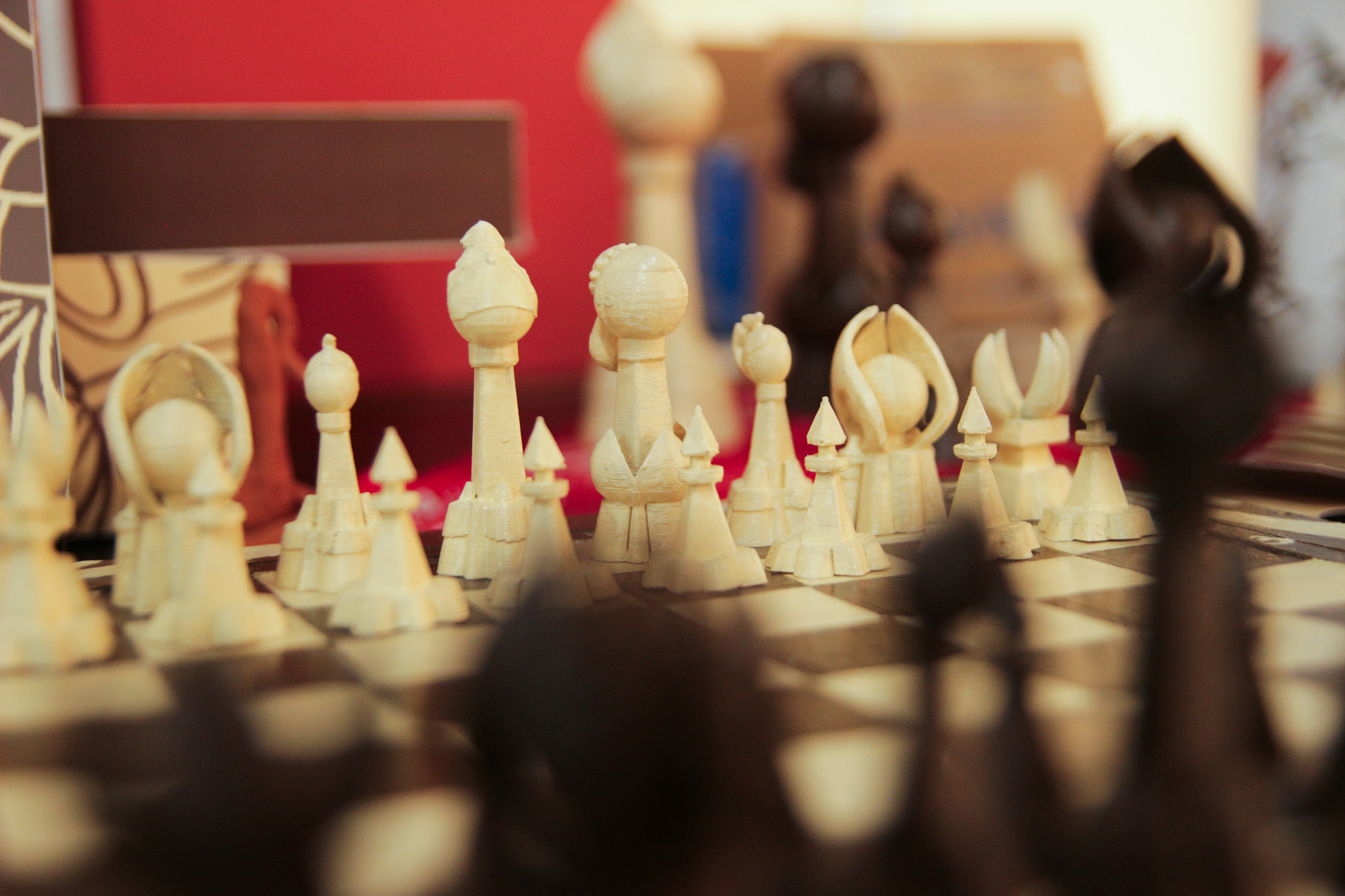
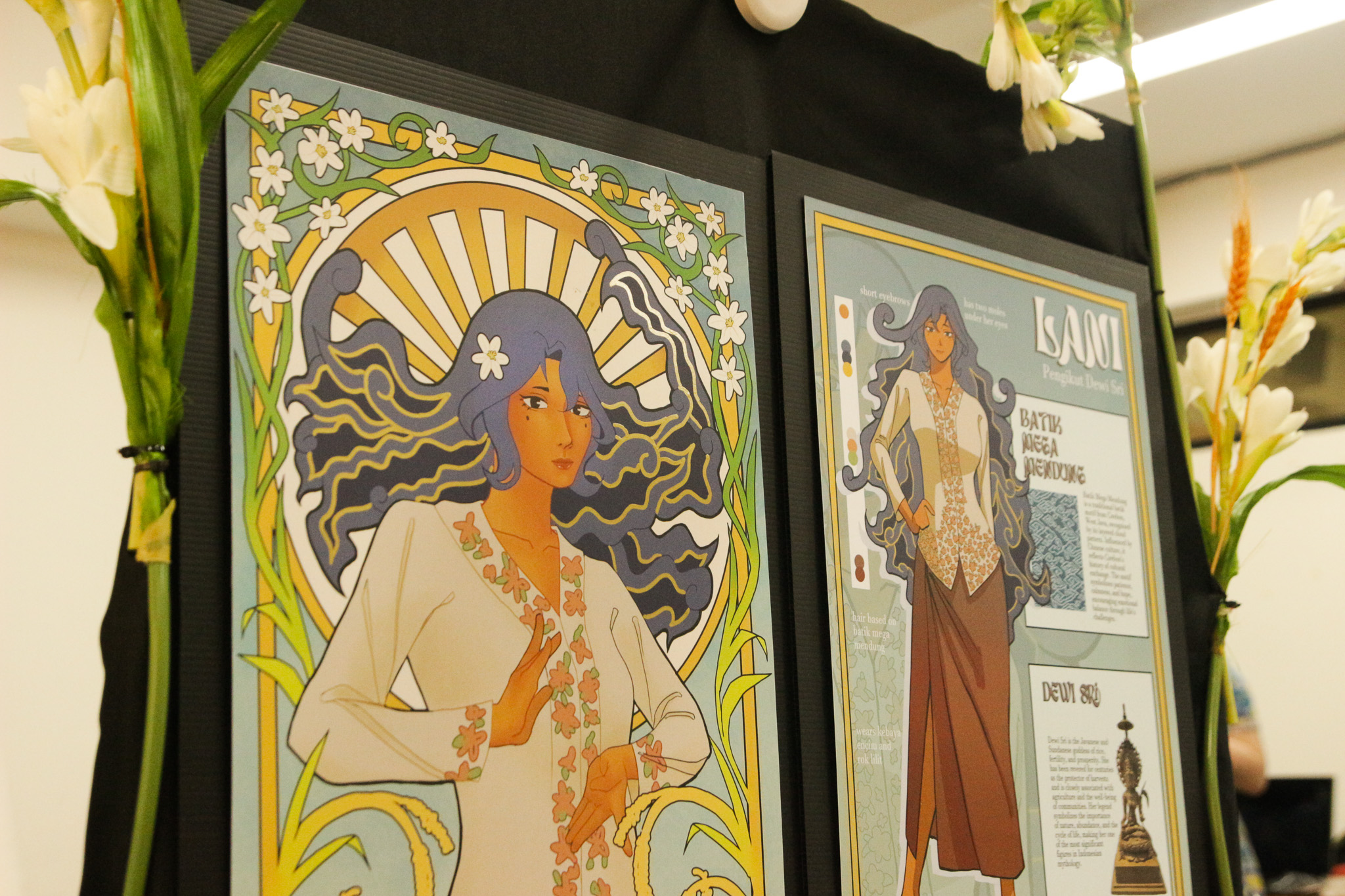
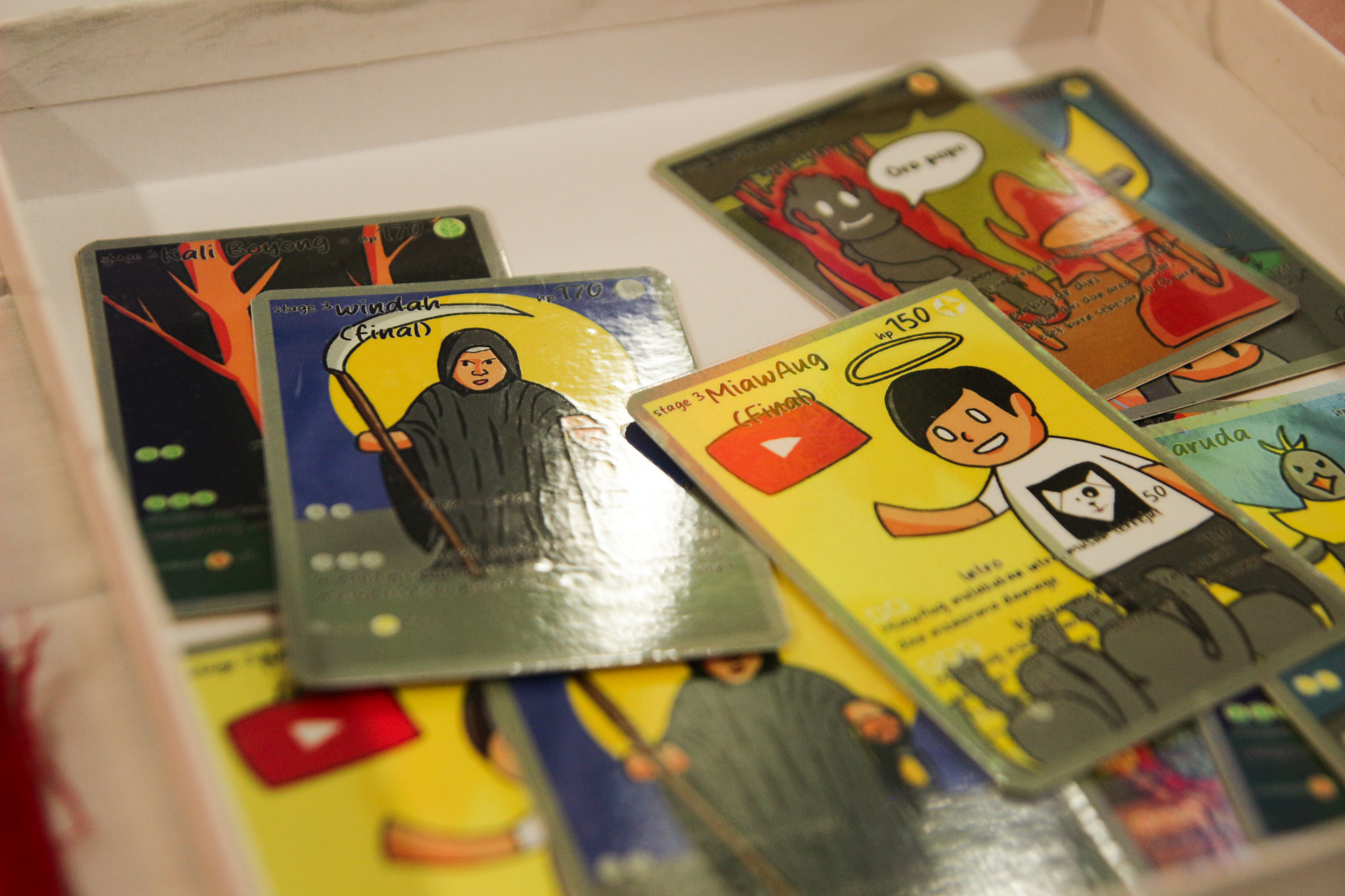
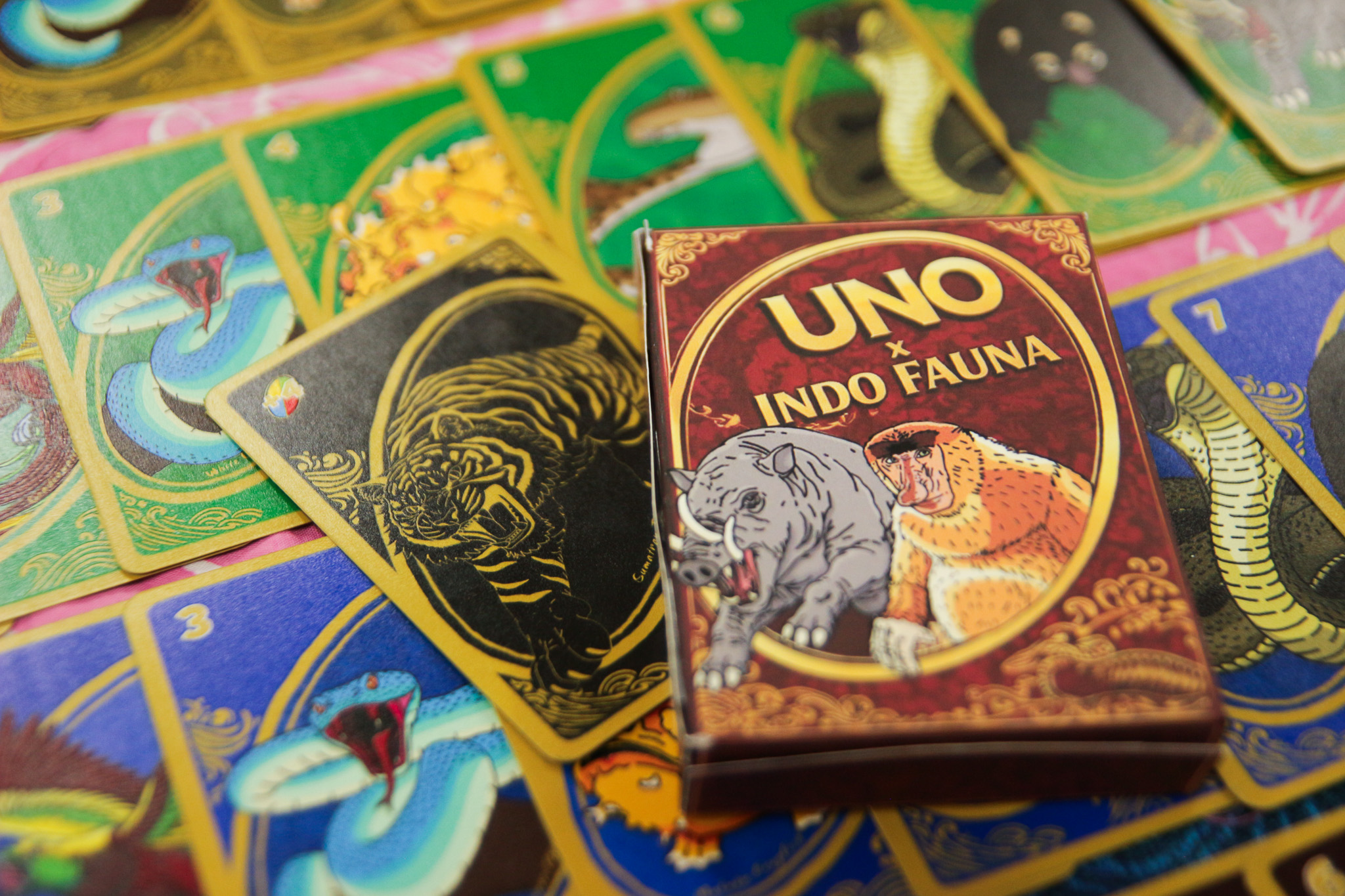
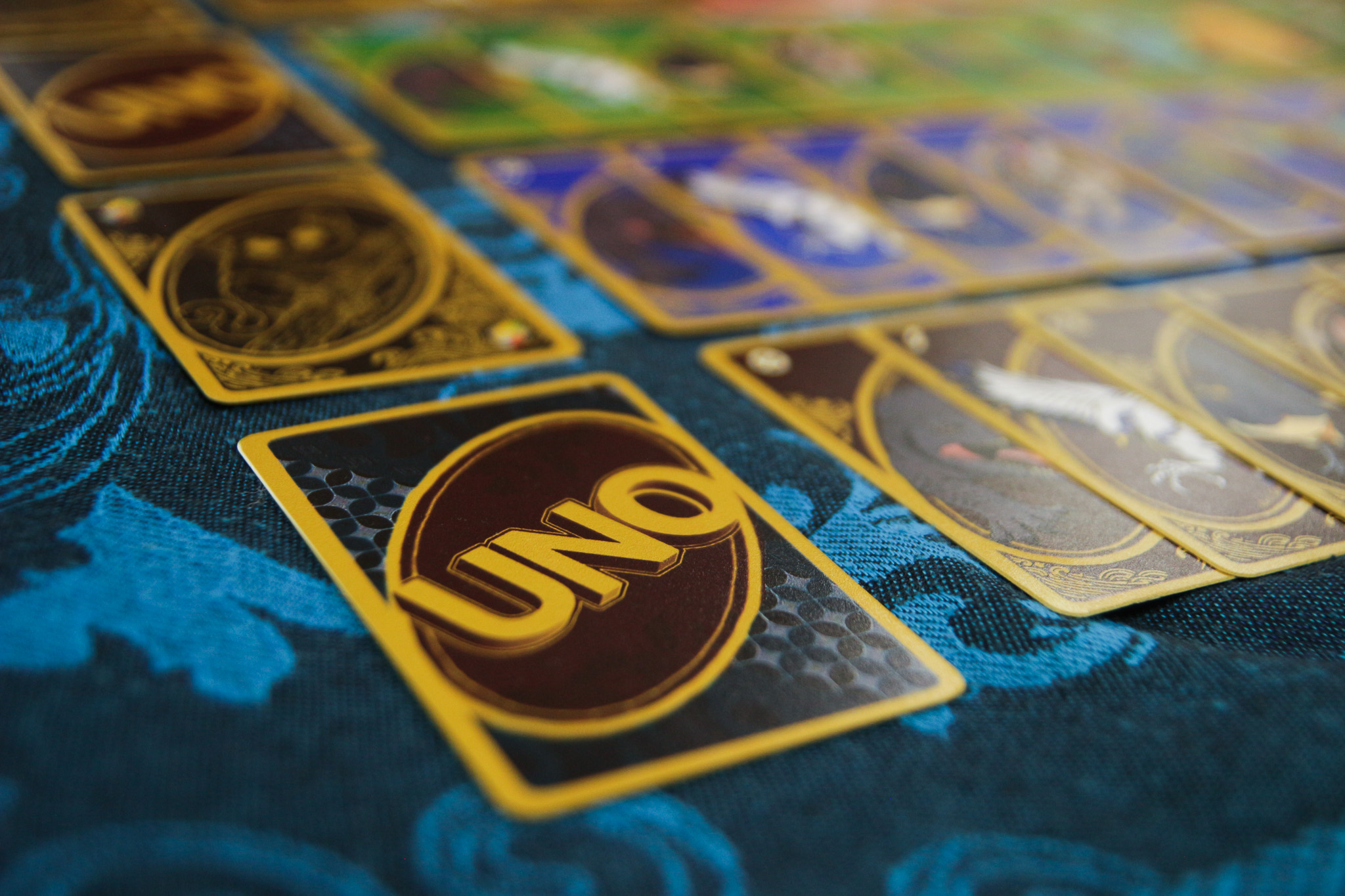
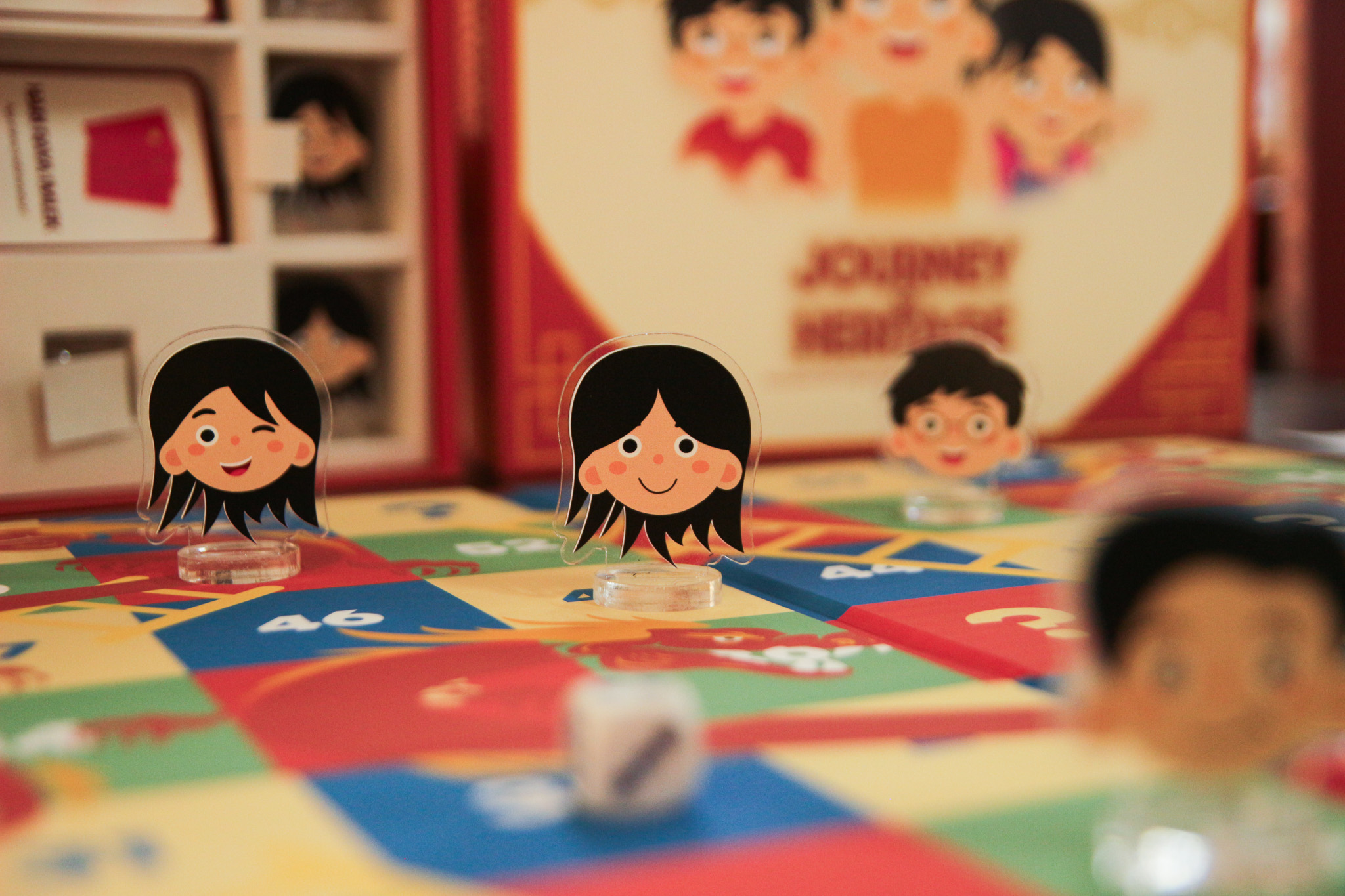
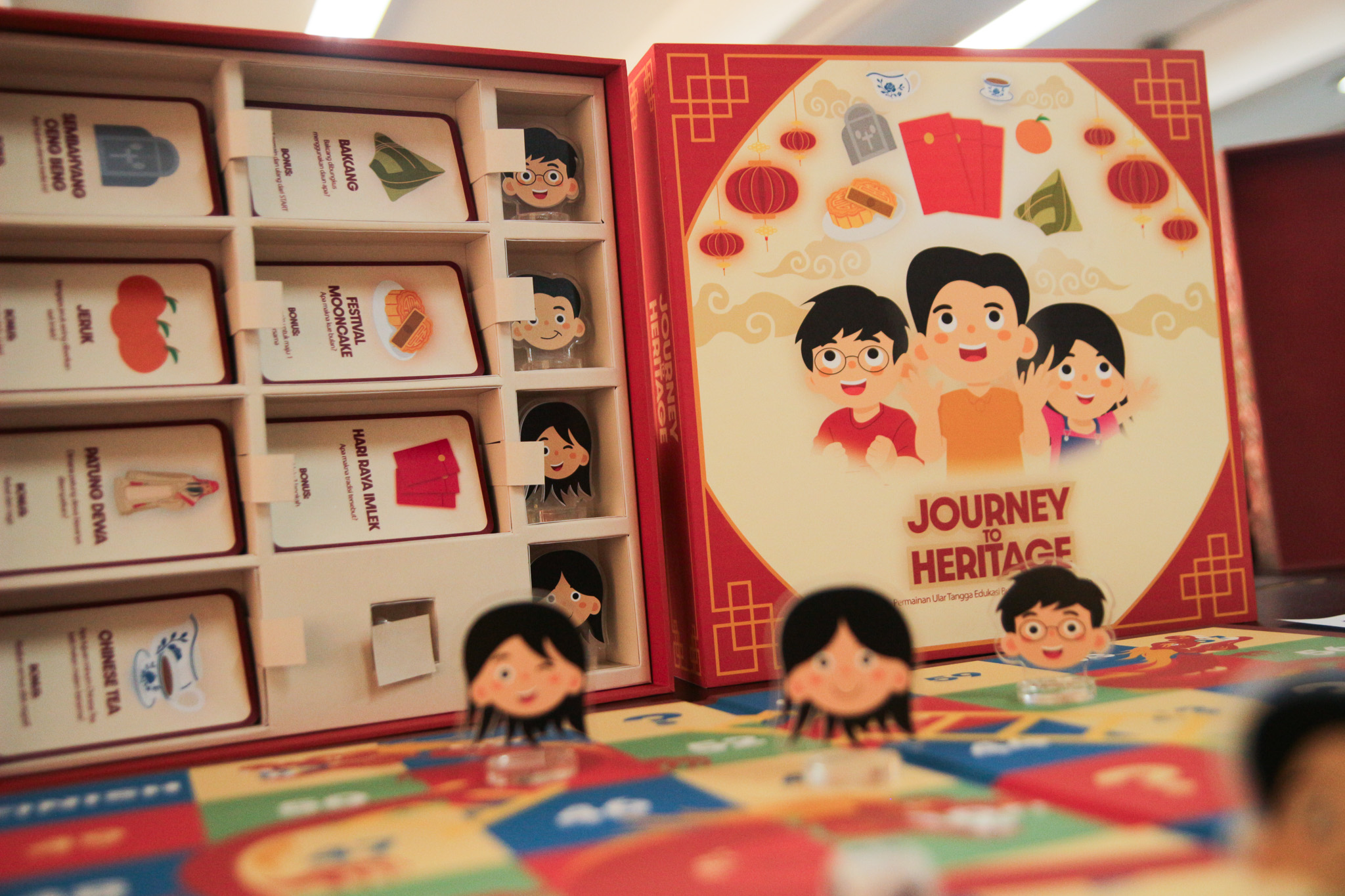
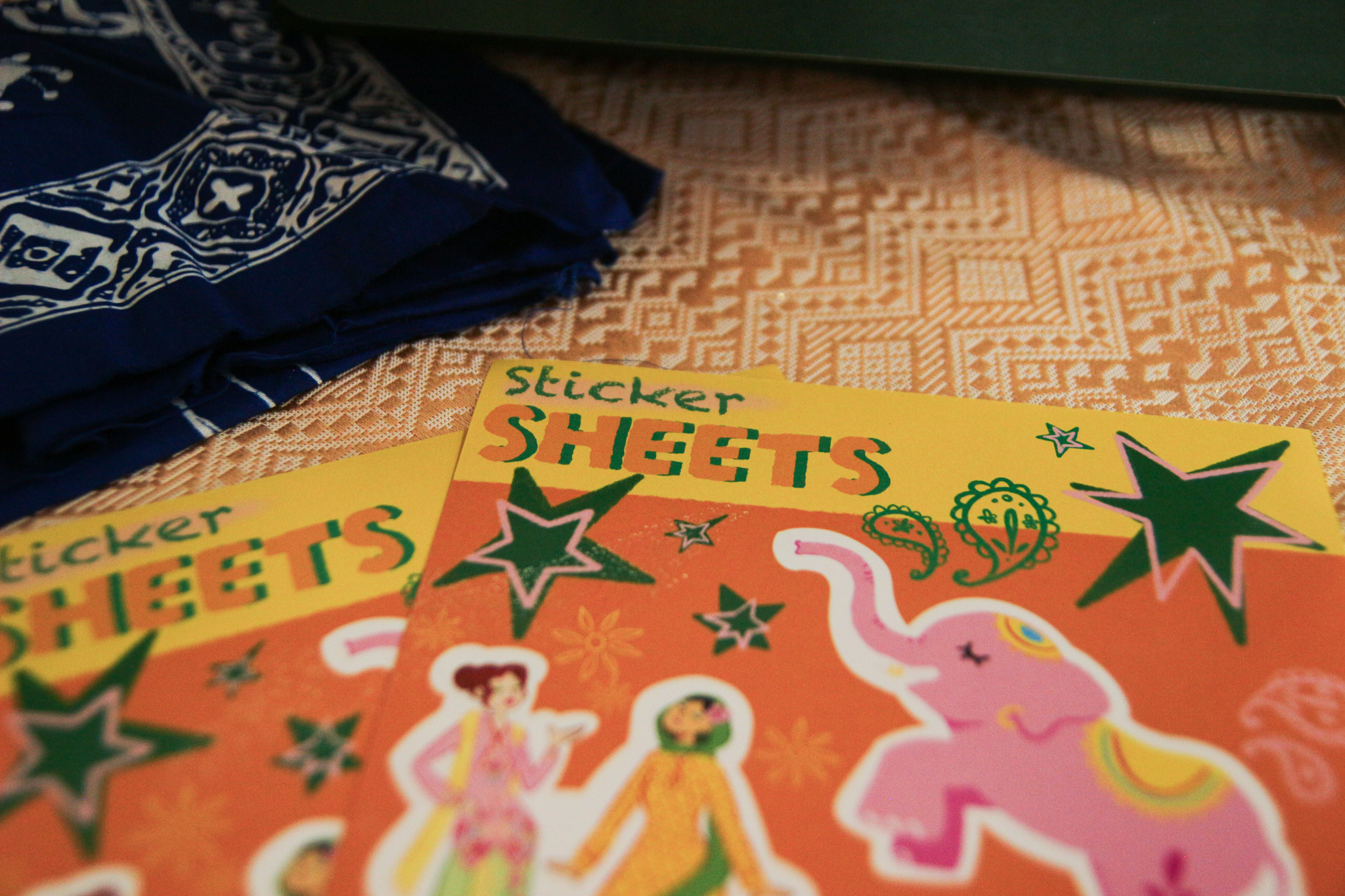
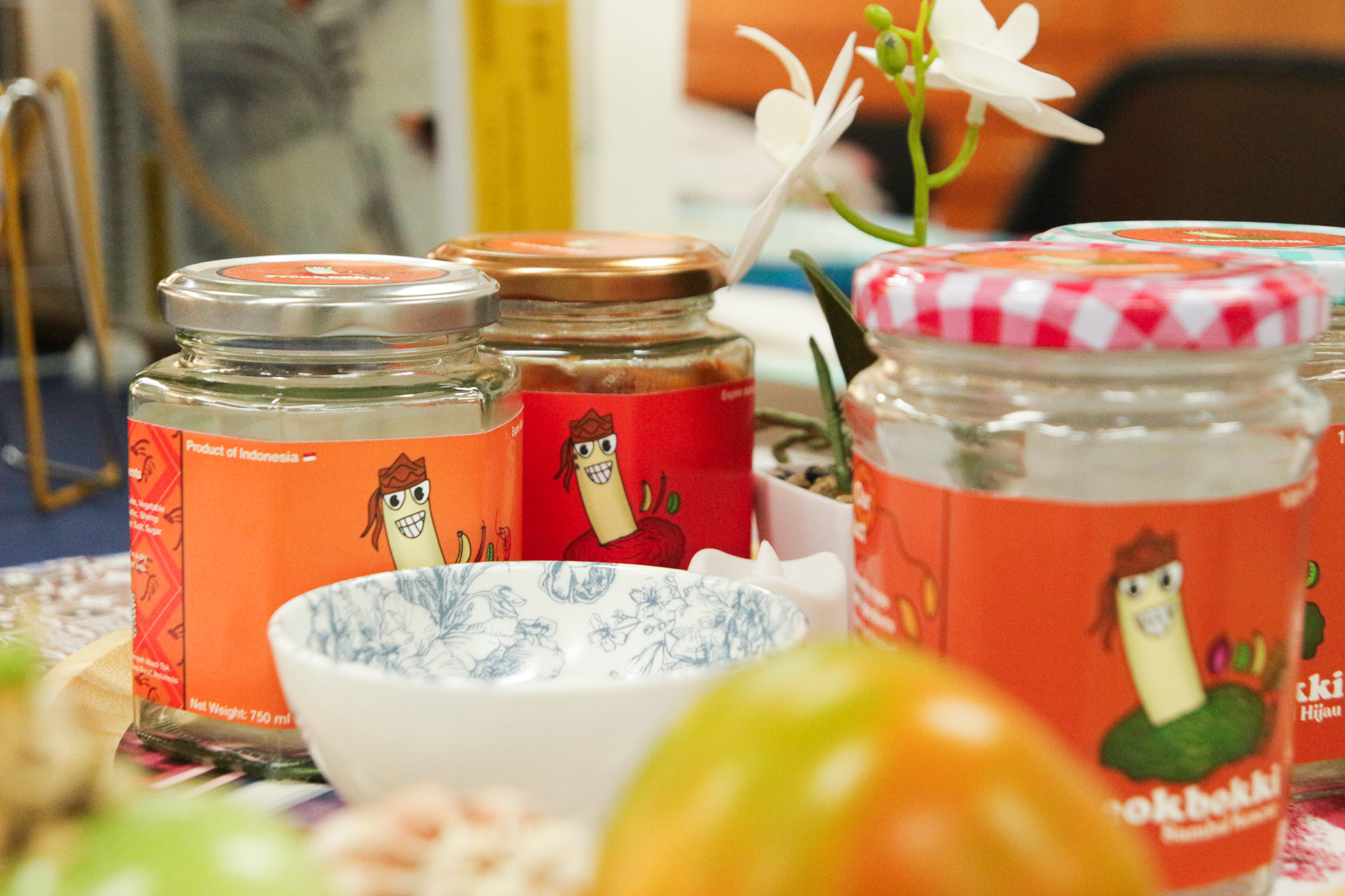
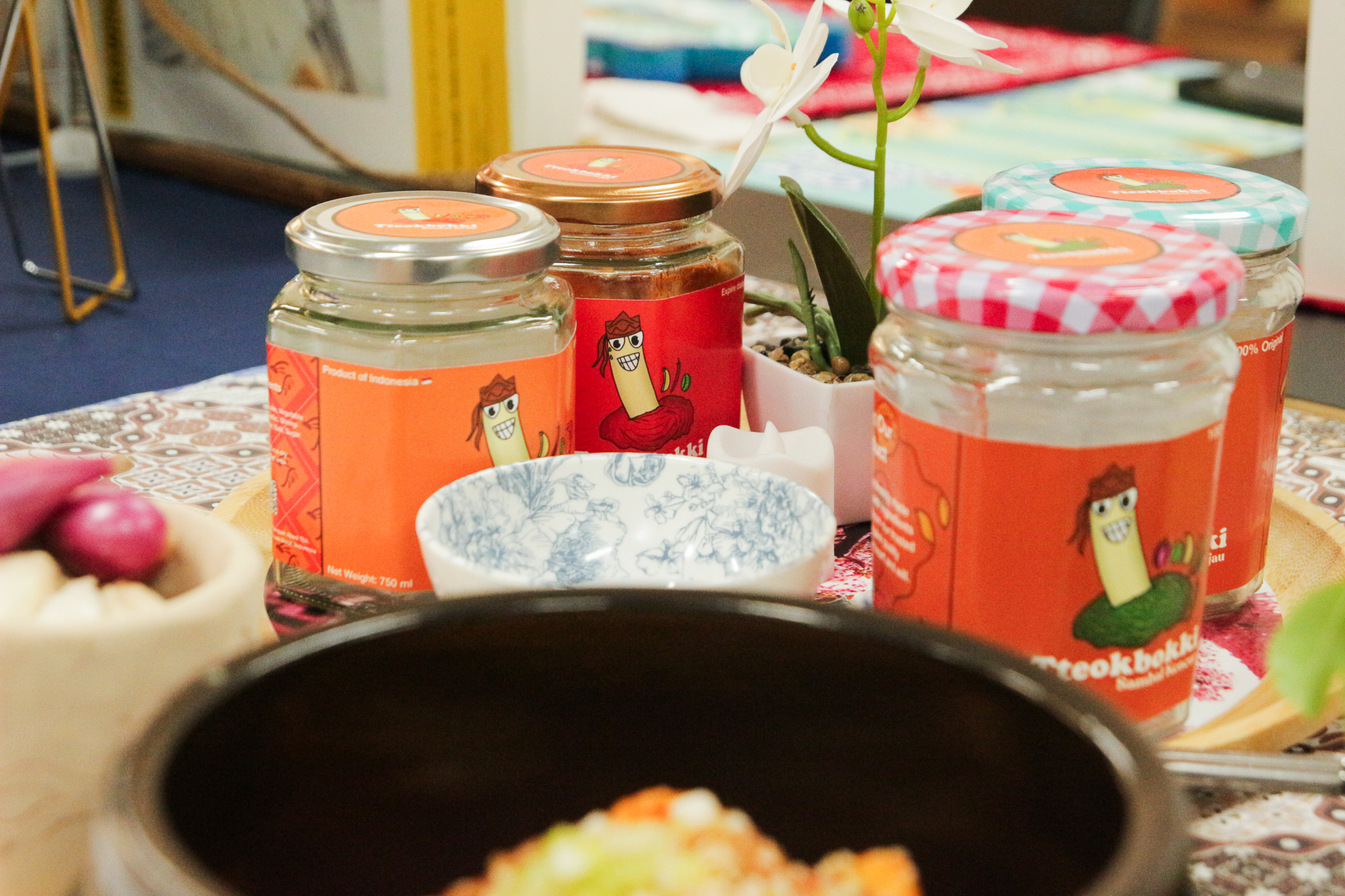
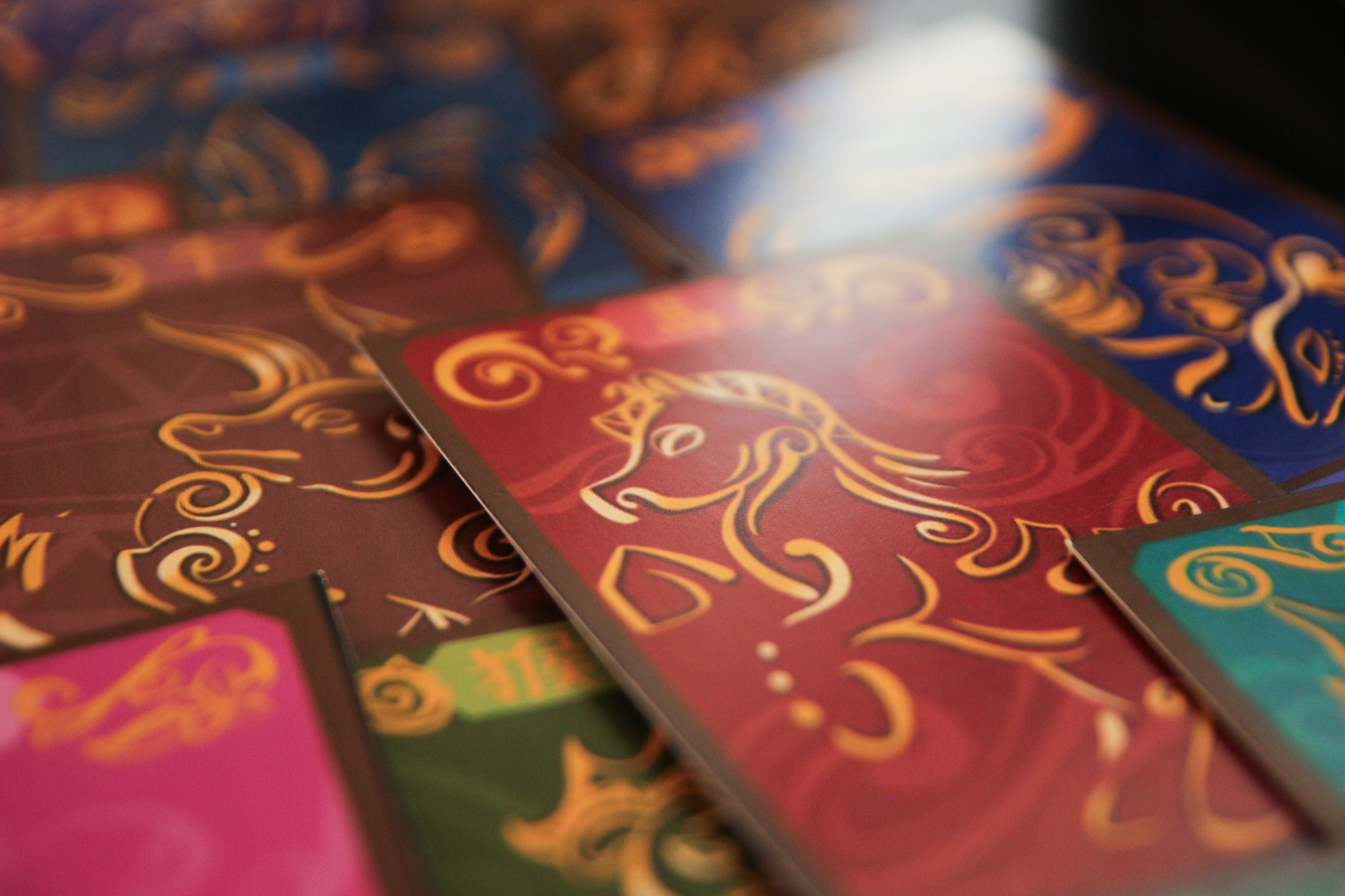
Students expressed their ideas through a wide range of media. Some designed illustrated posters that reimagined cultural narratives. Others created interactive card games and board games that invited audiences to participate in the stories they wanted to tell. Several students explored storytelling through handcrafted objects, including mail trinkets, crochet works, jewelry, blind boxes, and collectible pieces. Others experimented with chess sets, animation, and moving images.
Although many students shared similar cultural backgrounds, no two projects felt alike. Culture became something deeply personal rather than something fixed or universal. Each work reflected a unique combination of family history, personal interests, communities, and everyday experiences. Together, the exhibition showed how people can share the same heritage while telling completely different stories.
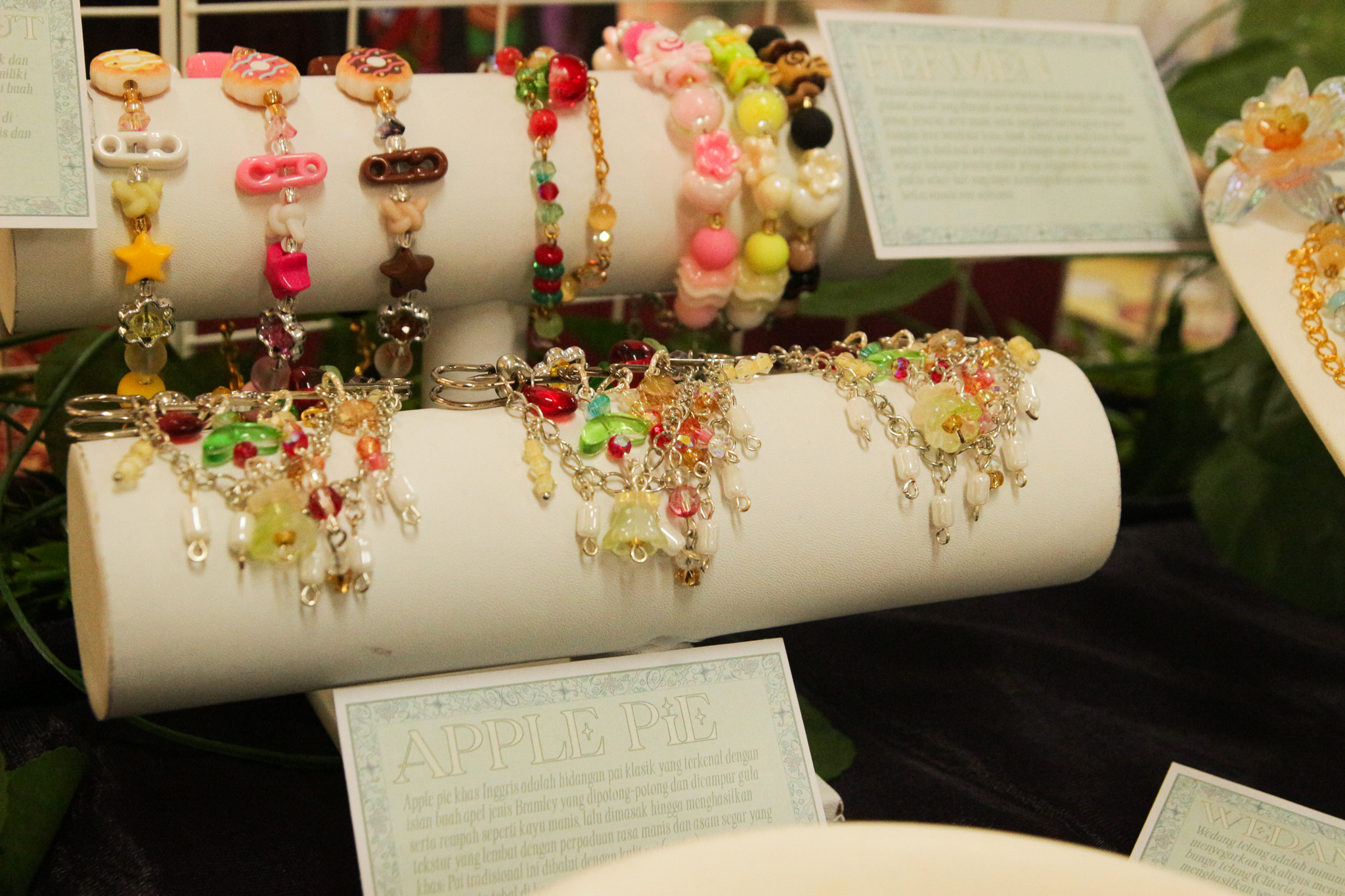
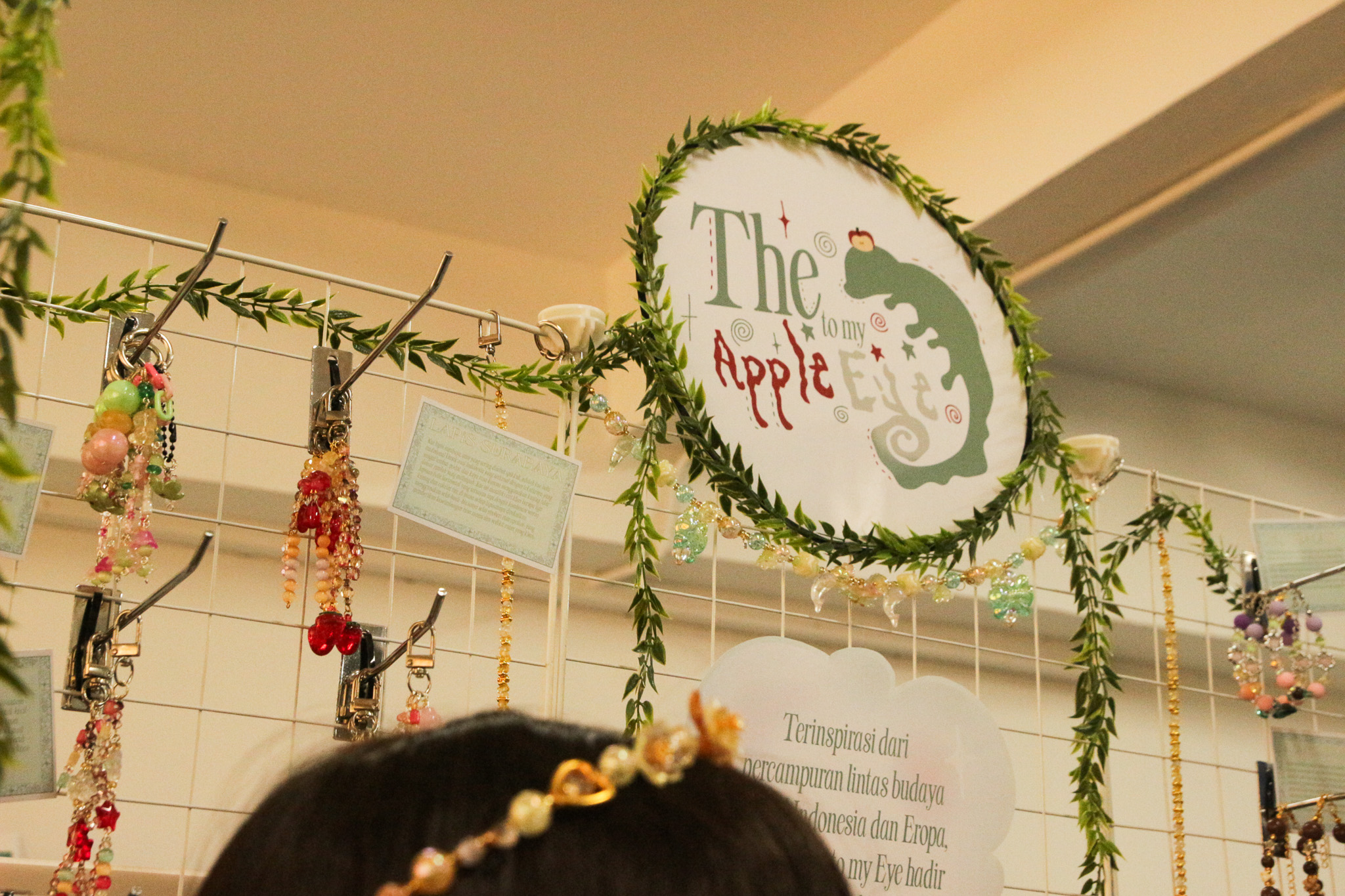
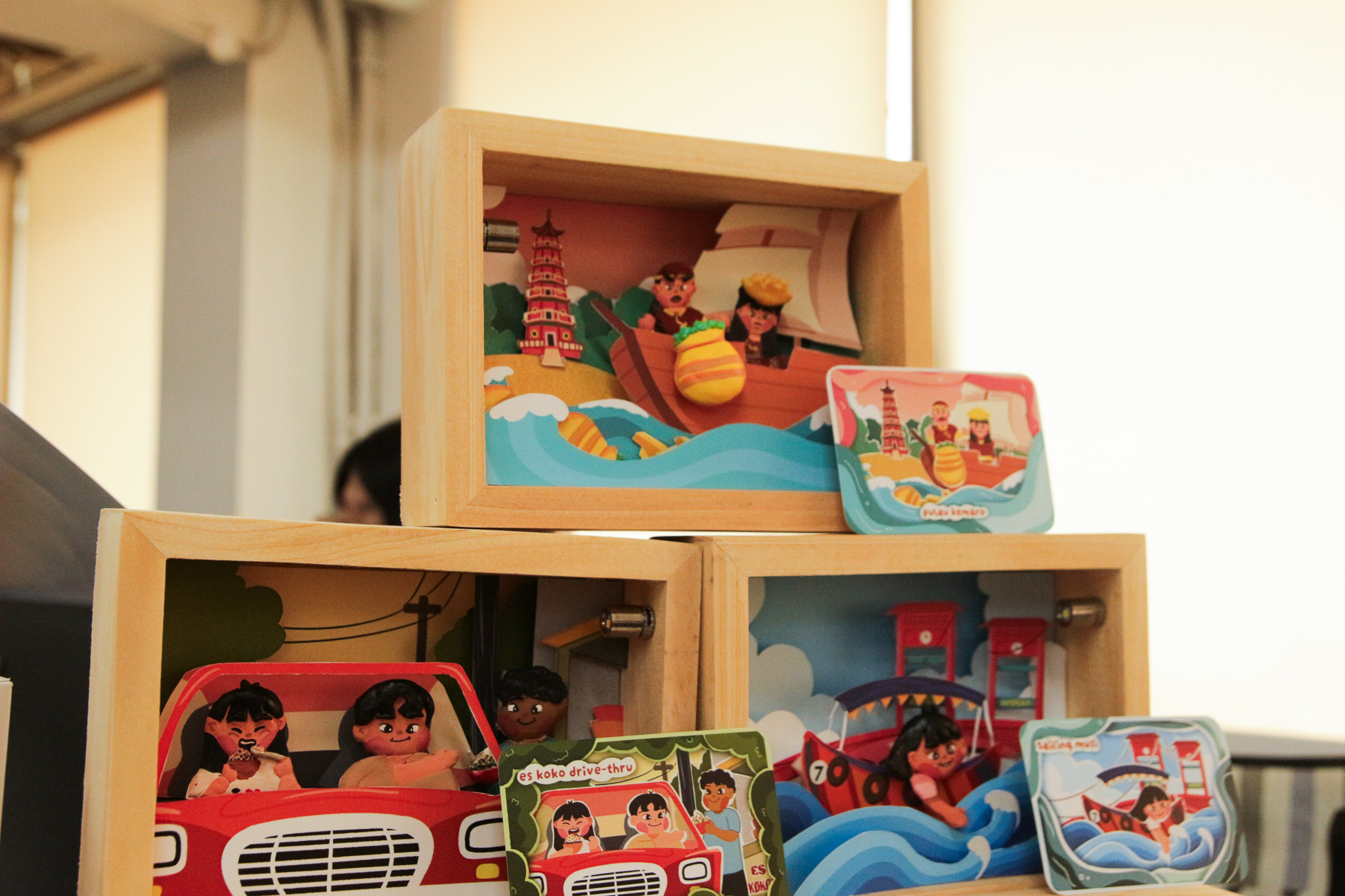
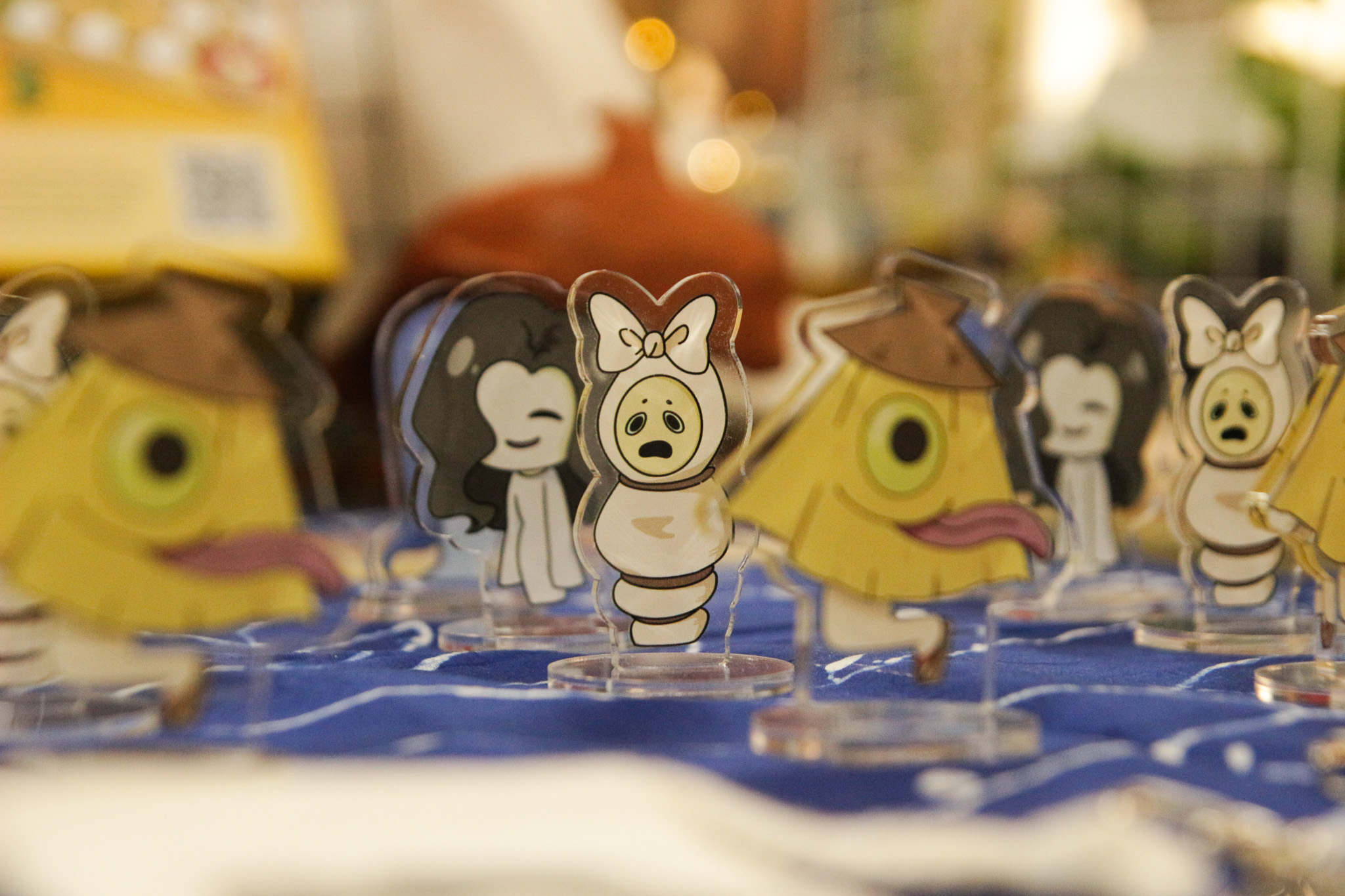
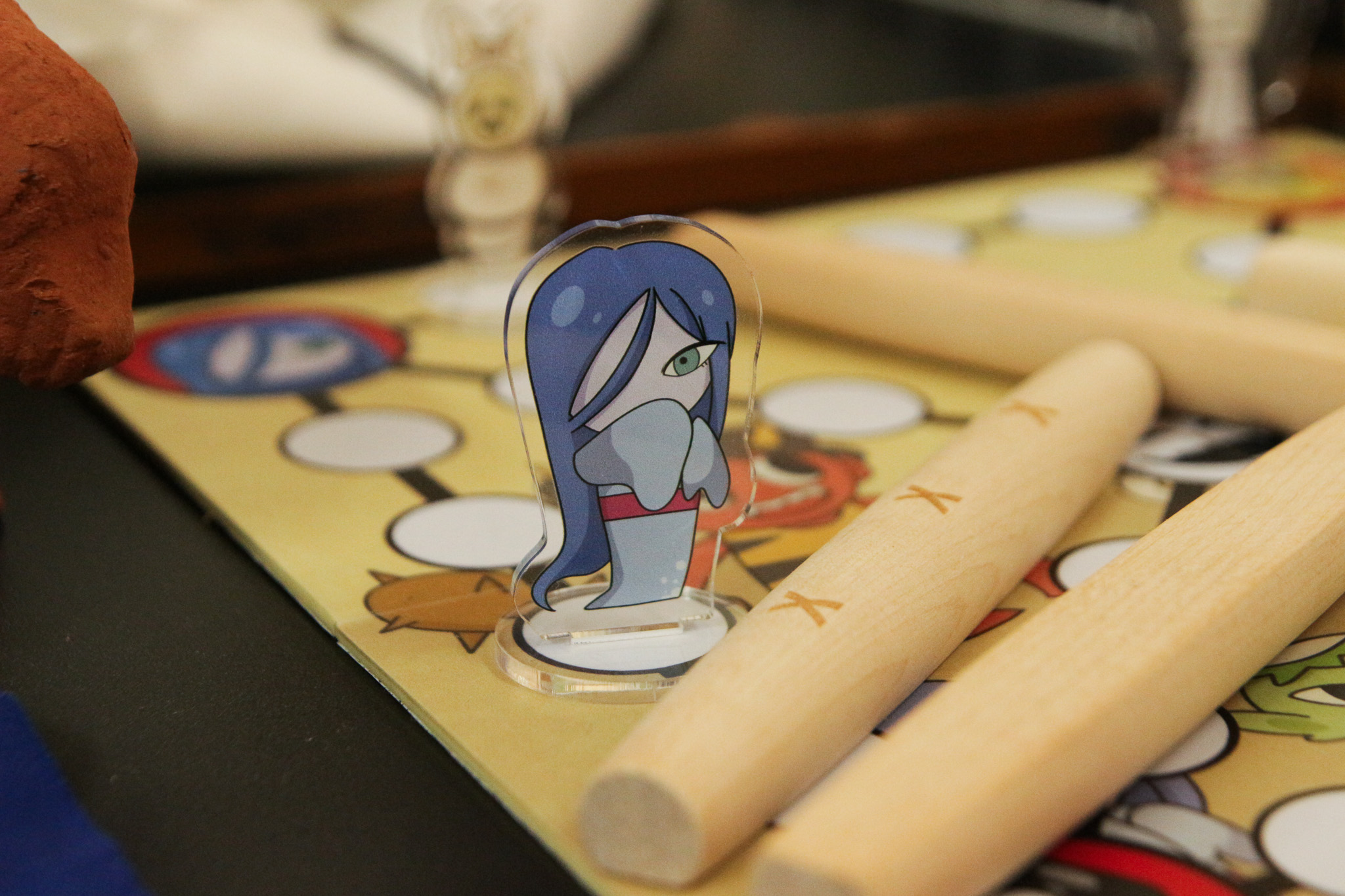
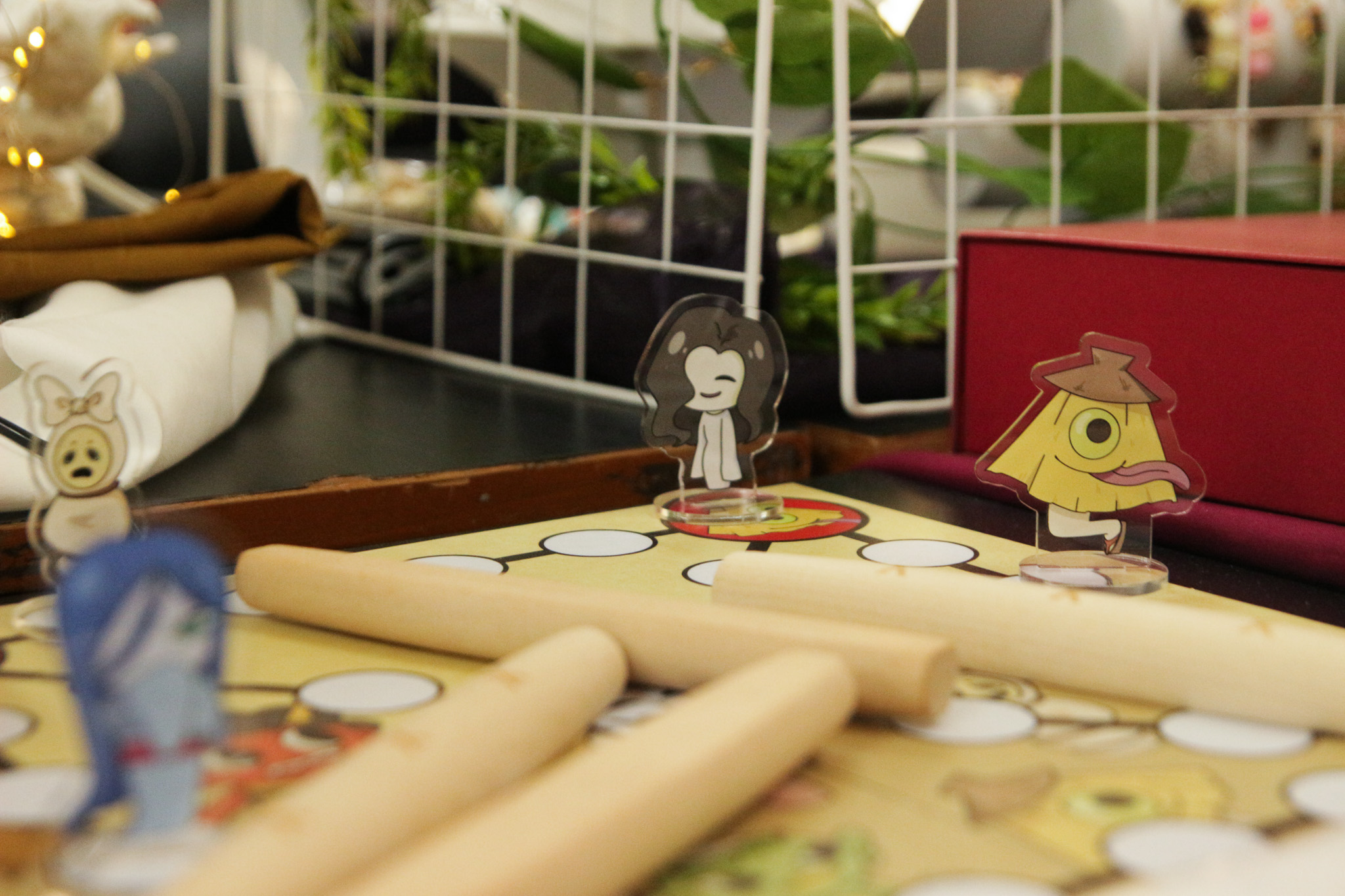
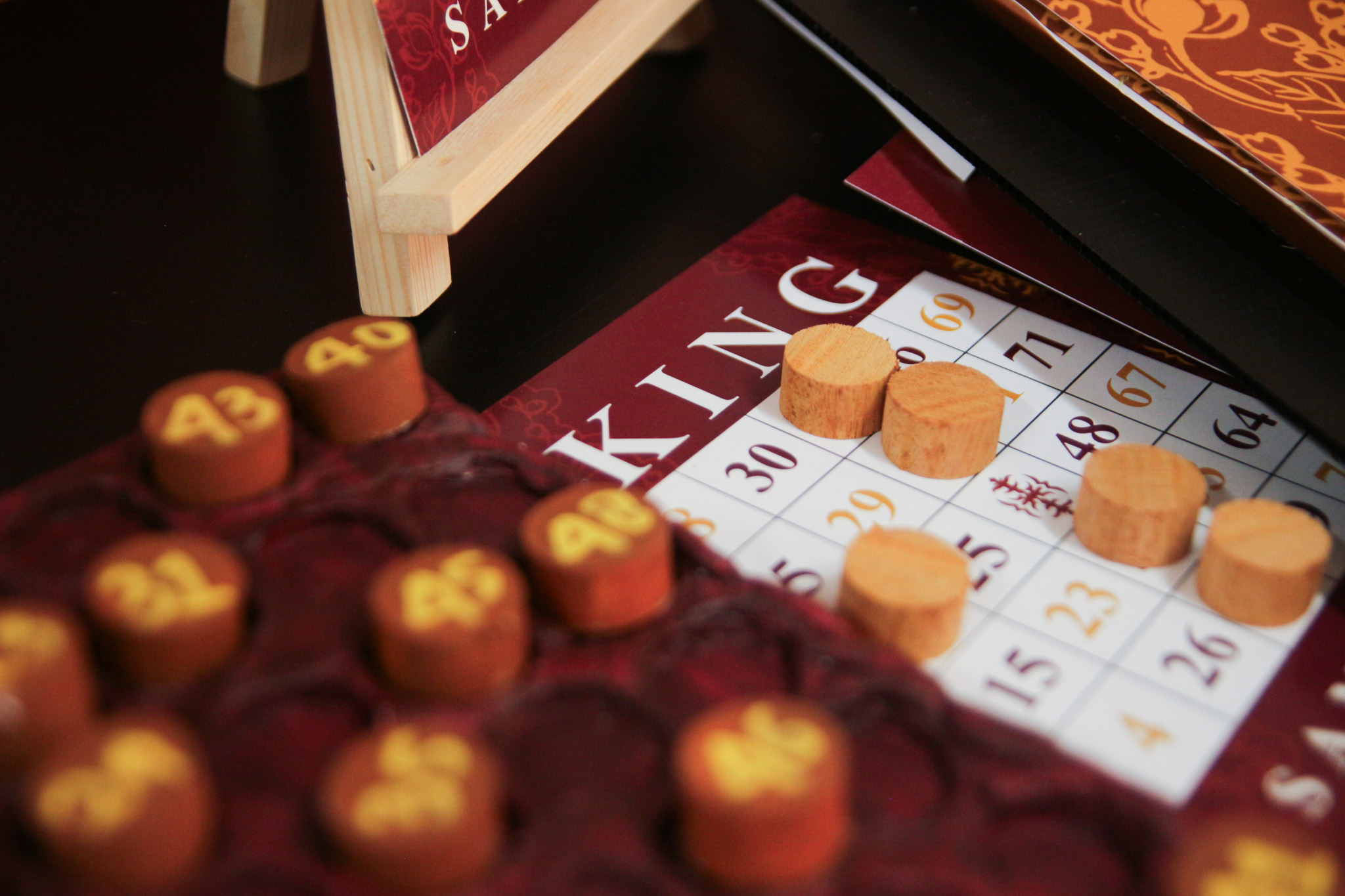
Designing the Exhibition Experience
The presentation itself became another creative challenge.
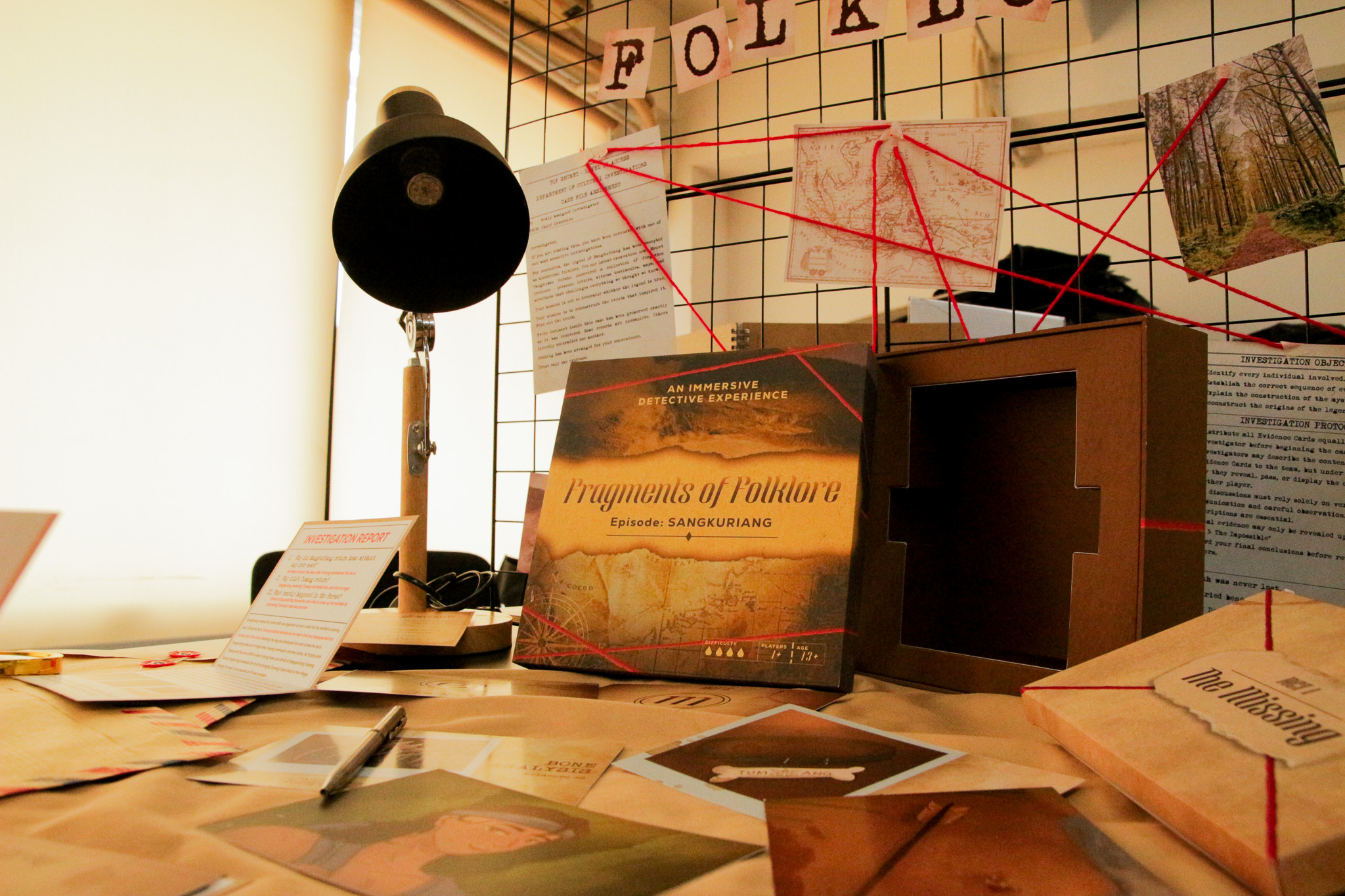
Rather than placing their work on a table, students designed displays that shaped how visitors would experience each project. For many students from the 2025 cohort, this was their first opportunity to think like exhibition designers.
The classroom transformed into a gallery filled with carefully planned installations, presentation boards, props, and display systems. Students considered every detail, from the arrangement of objects to the way viewers would move through the space. The display became part of the storytelling.
Sherina described the atmosphere with a smile,
“Everyone was really committed to their displays. People kept asking each other what they were planning to make, and it honestly turned into a friendly competition that pushed everyone to aim even higher.”
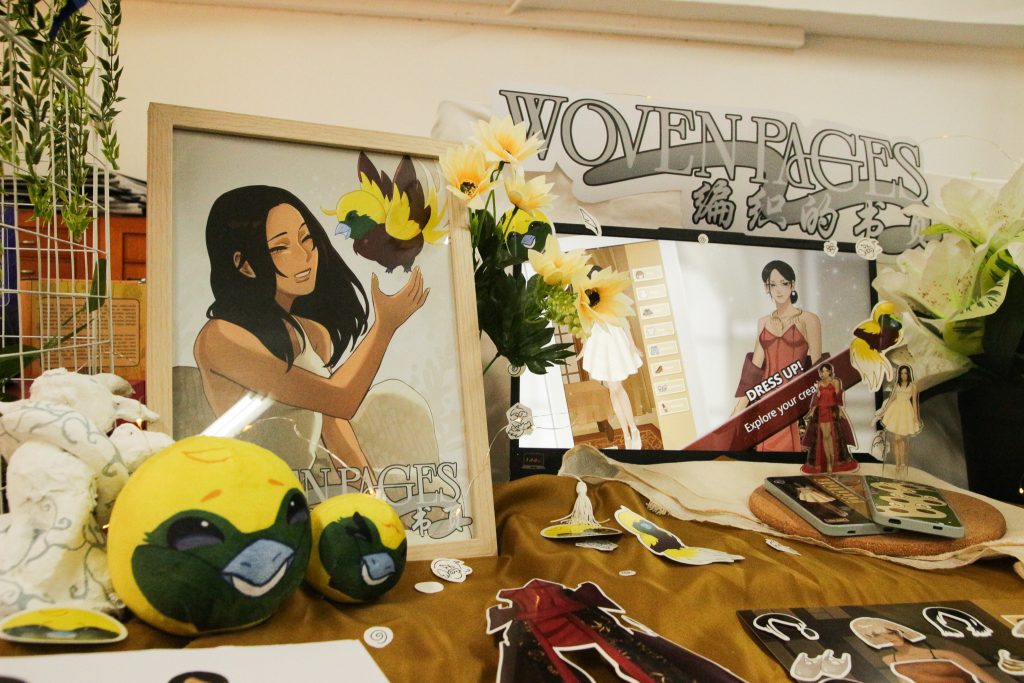
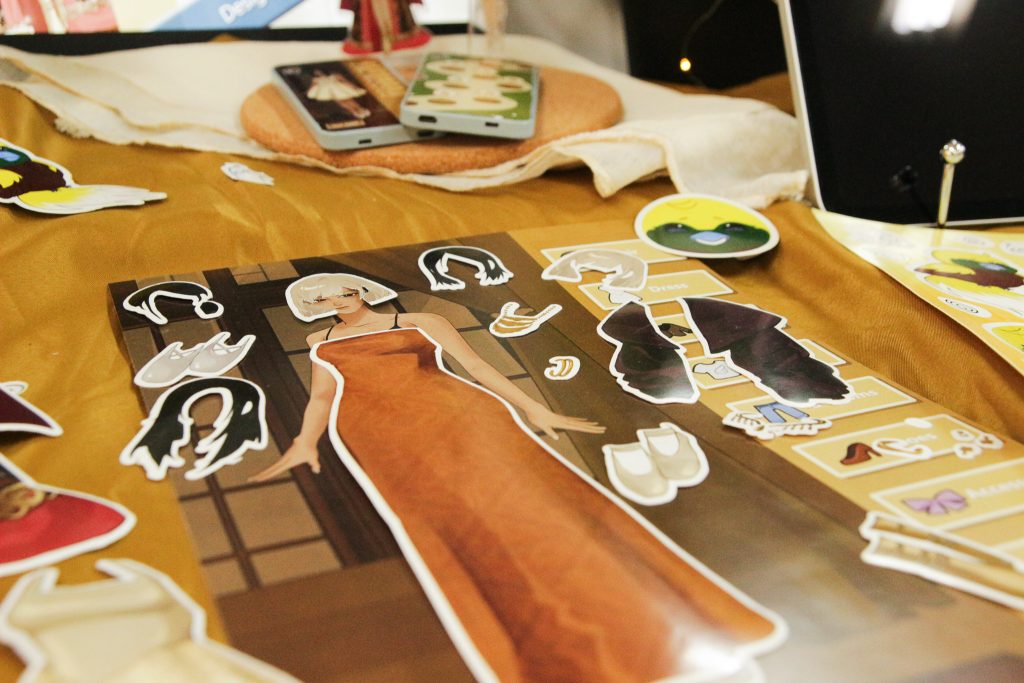
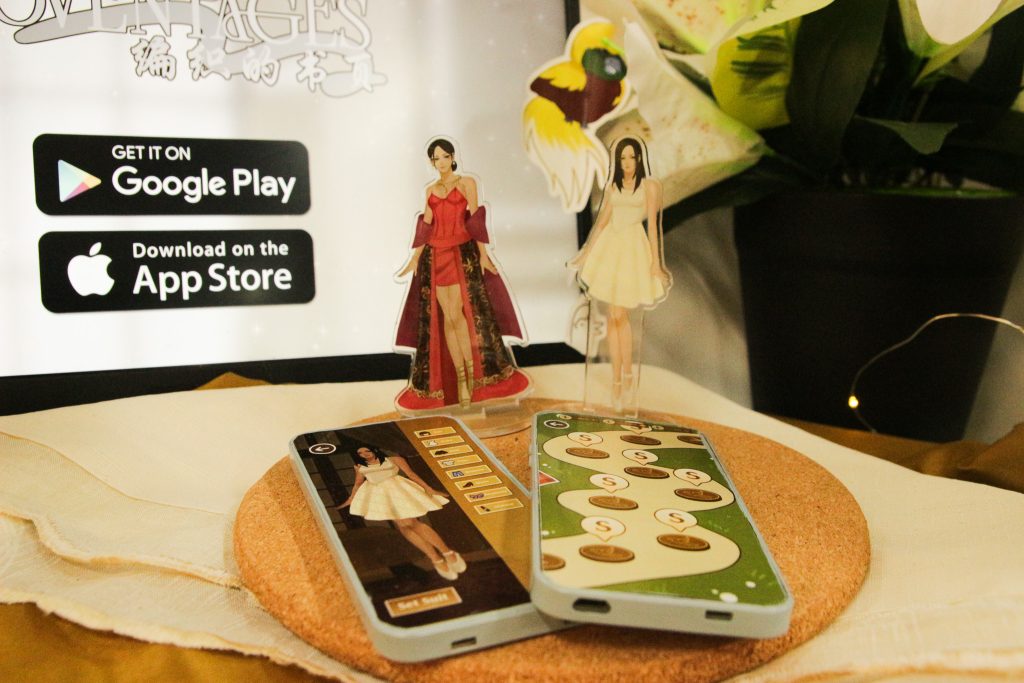
That excitement spread throughout the room. Students exchanged ideas, encouraged one another, and refined their displays until the last minute. Their conversations sparked new ideas and inspired each person to think more carefully about how audiences would experience the work.
Culture as a Living Conversation
Throughout the semester, Indonesian Visual Culture encouraged students to see culture as something that continues to evolve. It does not belong only to history or tradition. It also grows through everyday life.
As students reflected on themselves and the communities around them, they discovered that identity is never singular or fixed. Instead, it develops through encounters with people, places, traditions, media, and shared experiences.
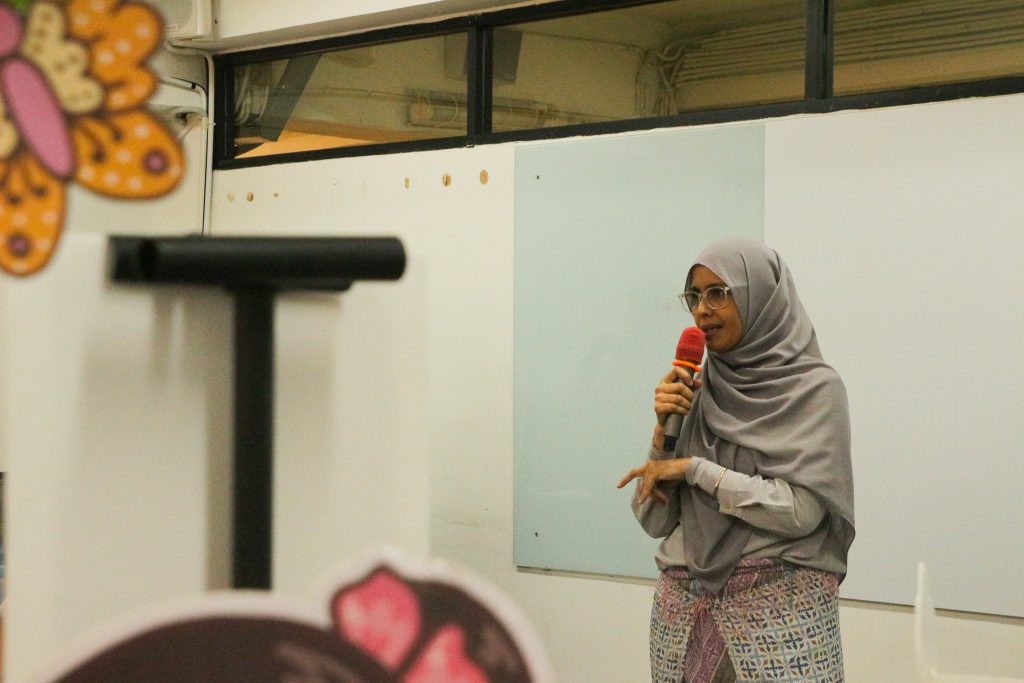
Reflecting on the students’ journey, lecturer Yulia Amanda shared,
“As our exposure to cultures from around the world continues to grow, the visual language of Indonesia’s cross-cultural landscape becomes increasingly vibrant and rich.
Through our hands and our eyes, we continue creating so that culture can be felt, bringing together every sense until appreciation settles into the heart, grows into pride, and eventually returns as a deeper love for Indonesia.
Cultural acculturation is our strength.”
Continuing the Conversation
The final exhibition concluded one semester of learning, but it also opened new questions about culture and identity.
Each project reminded us that culture is more than heritage preserved in museums or traditions passed down through generations. It also lives in the stories we inherit, the communities we join, the media we consume, and the passions we pursue. These influences become part of our identities, often in ways we do not immediately notice.
Throughout the project, students used design to better understand themselves and the world around them. They embraced the meeting point between inherited traditions and contemporary influences. In doing so, they discovered new ways to express their identities. The Cross Culture project ultimately reminds us that culture is not only something we preserve. It is also something we continue to shape, reinterpret, and carry forward every day.