

As part of UPH Design Week 2026, students and participants attended a special talk session titled “Design x AI: Interaction.” The session featured Linda Lianto, a DKV UPH alumna, and Rafael Benaya, an alumnus of Product Design UPH. Moderated by Kartika Magdalena Suwanto, S.Ds., M.Ds., the discussion explored how artificial intelligence is changing design practice and shaping the future of the creative industry.
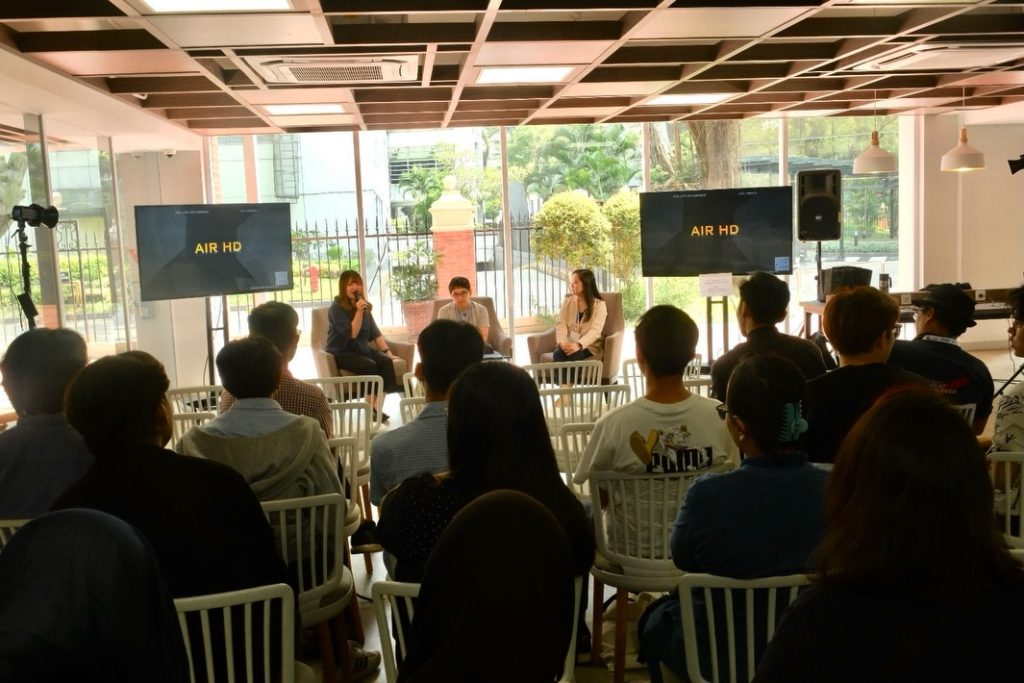
Exploring the Relationship Between Design and AI
The session began with a discussion about the rapid growth of technology and its influence on the design profession. Drawing from their professional experiences, Linda and Rafael explained how the industry has evolved over the years. They also discussed how artificial intelligence has become a widely accessible tool for designers.
Participants gained valuable insights into how designers continue to adapt to these changes. In addition, the speakers encouraged students to stay curious and keep learning in an industry that continues to evolve.
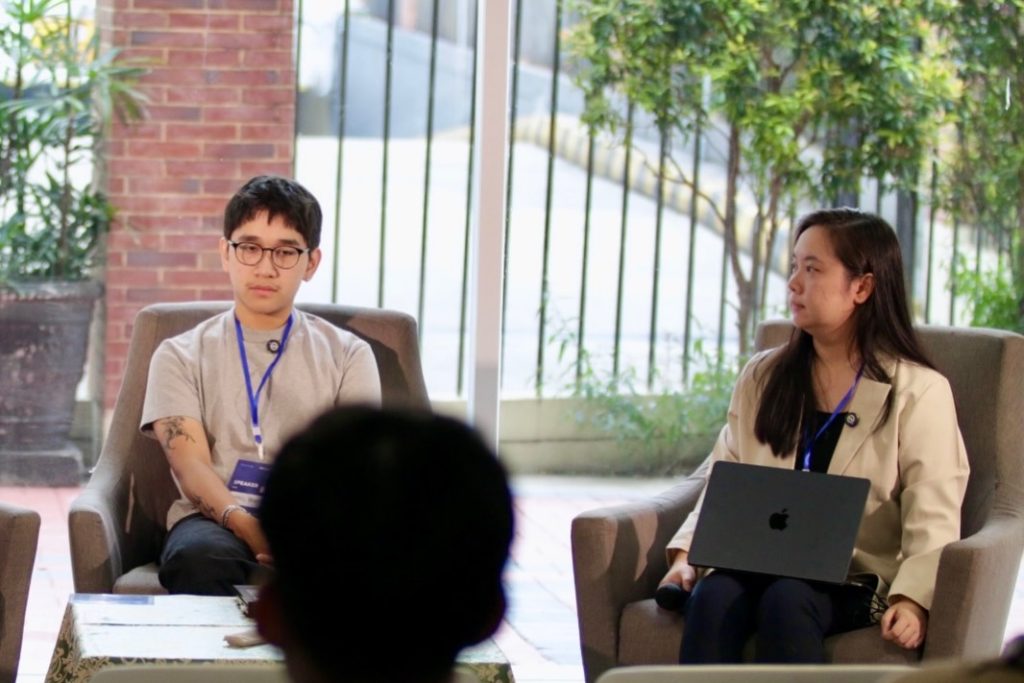
Learning from Industry Experience
One of the highlights of the session was Linda’s reflection on her journey after graduating from DKV UPH. She described her experience entering the creative industry before AI became part of everyday workflows. She also explained how designers gradually adapted as new technologies emerged.
Rather than seeing AI as a replacement for creativity, Linda encouraged students to view it as a supportive tool. According to her, AI can help generate ideas, improve efficiency, and allow designers to focus on strategic and creative thinking. As a result, students were encouraged to approach technological change with confidence while maintaining critical thinking.
Meanwhile, Rafael shared perspectives from the field of product design. His experiences demonstrated how emerging technologies continue to influence innovation, user experience, and product development. Together, both speakers showed that adapting to change is an essential part of every designer’s professional journey.
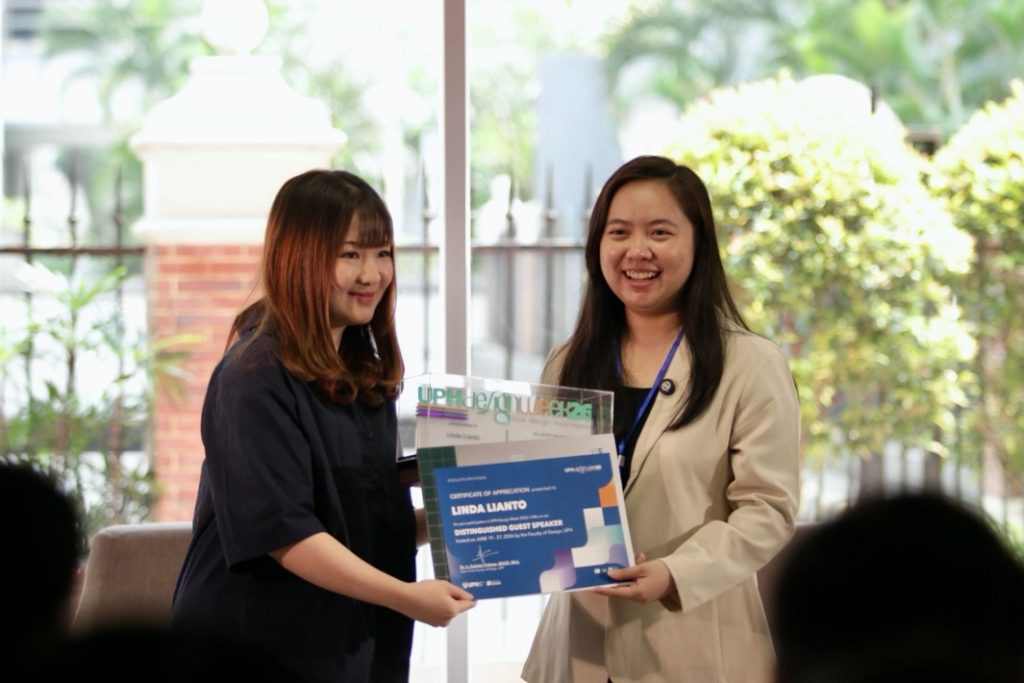

Interactive Discussion and Q&A
Following the presentation, participants joined an interactive question-and-answer session moderated by Kartika Magdalena Suwanto, S.Ds., M.Ds. The discussion covered a wide range of topics, including future career opportunities in design, the challenges and benefits of AI, and the skills young designers should continue developing.
Furthermore, the speakers encouraged students to look beyond technical abilities alone. Creativity, empathy, critical thinking, and human-centered problem solving remain essential as technology becomes increasingly integrated into professional practice. These qualities will continue to help designers create meaningful solutions in an ever-changing industry.
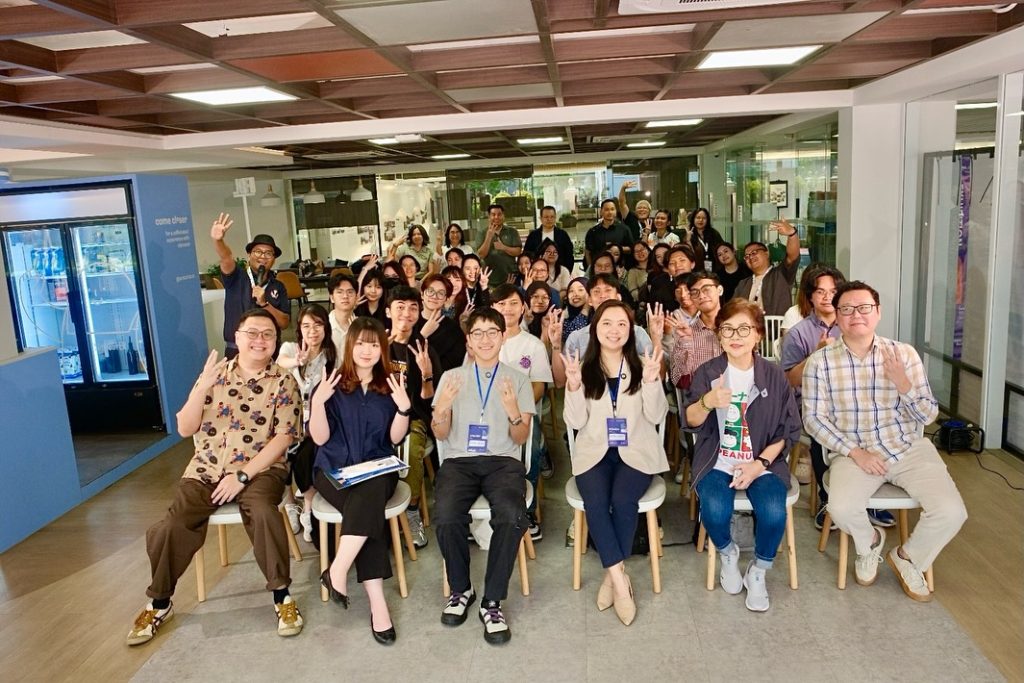
We would like to express our sincere gratitude to Linda Lianto and Rafael Benaya for generously sharing their experiences, knowledge, and professional insights. We also thank Kartika Magdalena Suwanto, S.Ds., M.Ds. for moderating the discussion and all participants who contributed to the session. We hope UPH Design Week 2026: Design x AI – Interaction inspires future designers to embrace emerging technologies while continuing to develop creativity, critical thinking, and meaningful human-centered design.